Animal Tracks in Snow Under Sheds & Decks: Signs of Denning Skunks, Raccoons, Opossums in CT

Winter snow in Connecticut can reveal hidden wildlife activity, especially tracks leading under sheds, decks, or porches—clear indicators that animals are denning in these warm, protected spots. For homeowners in towns like Middlefield, Middletown, Clinton, and Madison, spotting these tracks means it’s time for professional wildlife removal to prevent damage, disease spread, and costly repairs. At RF Wildlife, a veteran-owned service with 17+ years in Middlesex County, we specialize in DEEP-compliant wildlife removal for skunks, raccoons, and opossums. Don’t wait for problems to escalate—call 860-510-6313 for a free inspection today!

skunk tracks in snow Connecticut
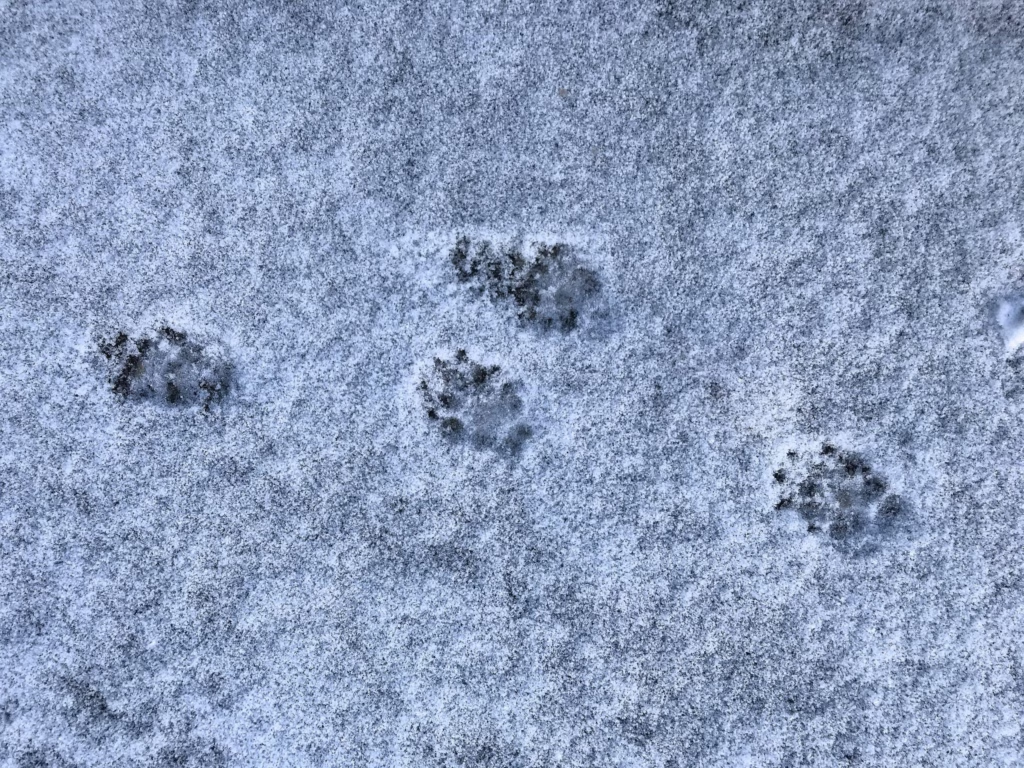
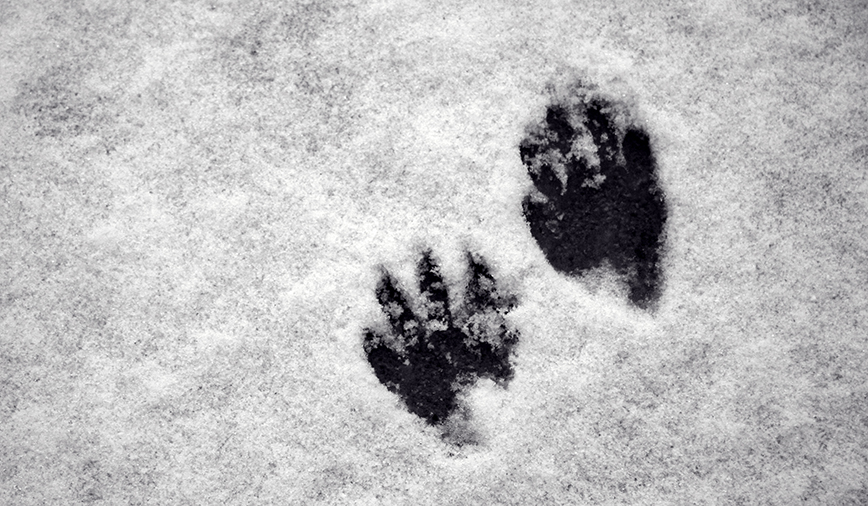
Skunk tracks in fresh snow
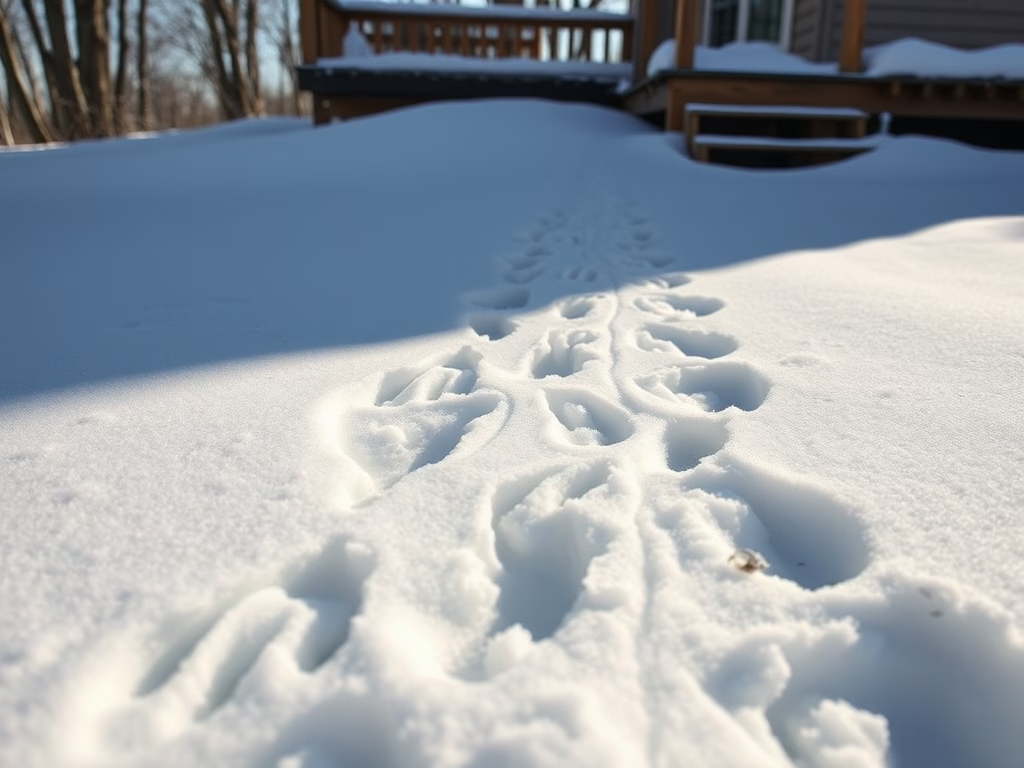
Animal trail leading under deck in snow Madison CT

Skunk Tracks in Snow: They Don’t Always Smell, But They’re a Denning Warning

Skunks are notorious for their odor, but they don’t always spray—many den under decks or sheds in silence, only releasing scent when threatened. Their tracks in snow are distinct: small, five-toed prints with claw marks, often in a straight line, leading to hidden burrows. In Clinton and Madison, where gardens and backyards abound, these tracks signal overwintering skunks that could dig up lawns or carry rabies/leptospirosis. If you spot them in Middlefield or Middletown, call for professional skunk removal—our live traps and exclusion ensure safe, odor-free eviction. Remember, DEEP prohibits relocation; we handle it legally.

Raccoon Opposum Skunk Tracks | Good Natured

stcnature.org

Raccoon Opposum Skunk Tracks | Good Natured

Raccoon Tracks: Clever Denning Under Porches and Sheds in CT Towns

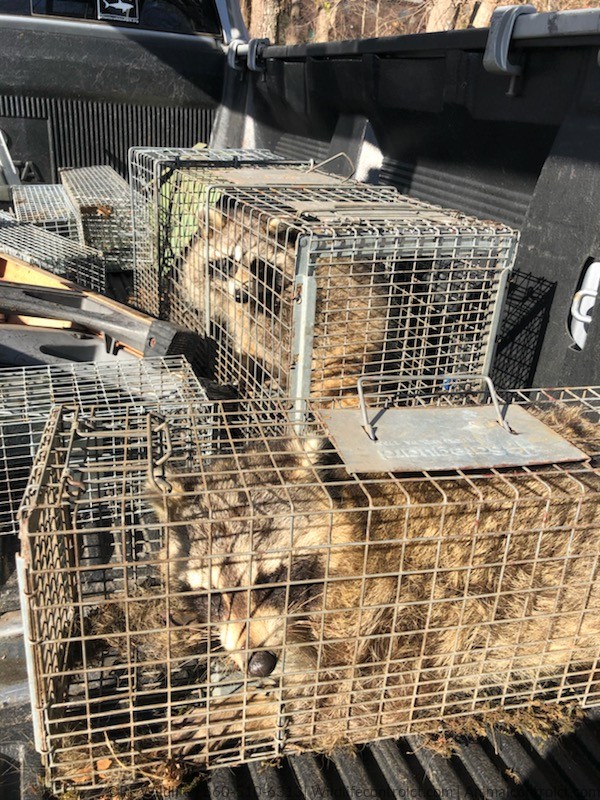
Raccoons leave hand-like prints in snow—five long toes with claws, often bounding patterns heading under porches or sheds for warmth. These nocturnal bandits thrive in Middletown’s suburban areas or Clinton’s coastal spots, denning to birth kits and raiding nearby trash. Tracks under structures in Middlefield or Madison indicate active dens, leading to damaged roofs, chewed vents, or roundworm risks. Our wildlife removal service uses DEEP-approved live traps and one-way doors for eviction—no relocation to prevent rabies spread. With 17+ years, we’re experts in safe raccoon control.

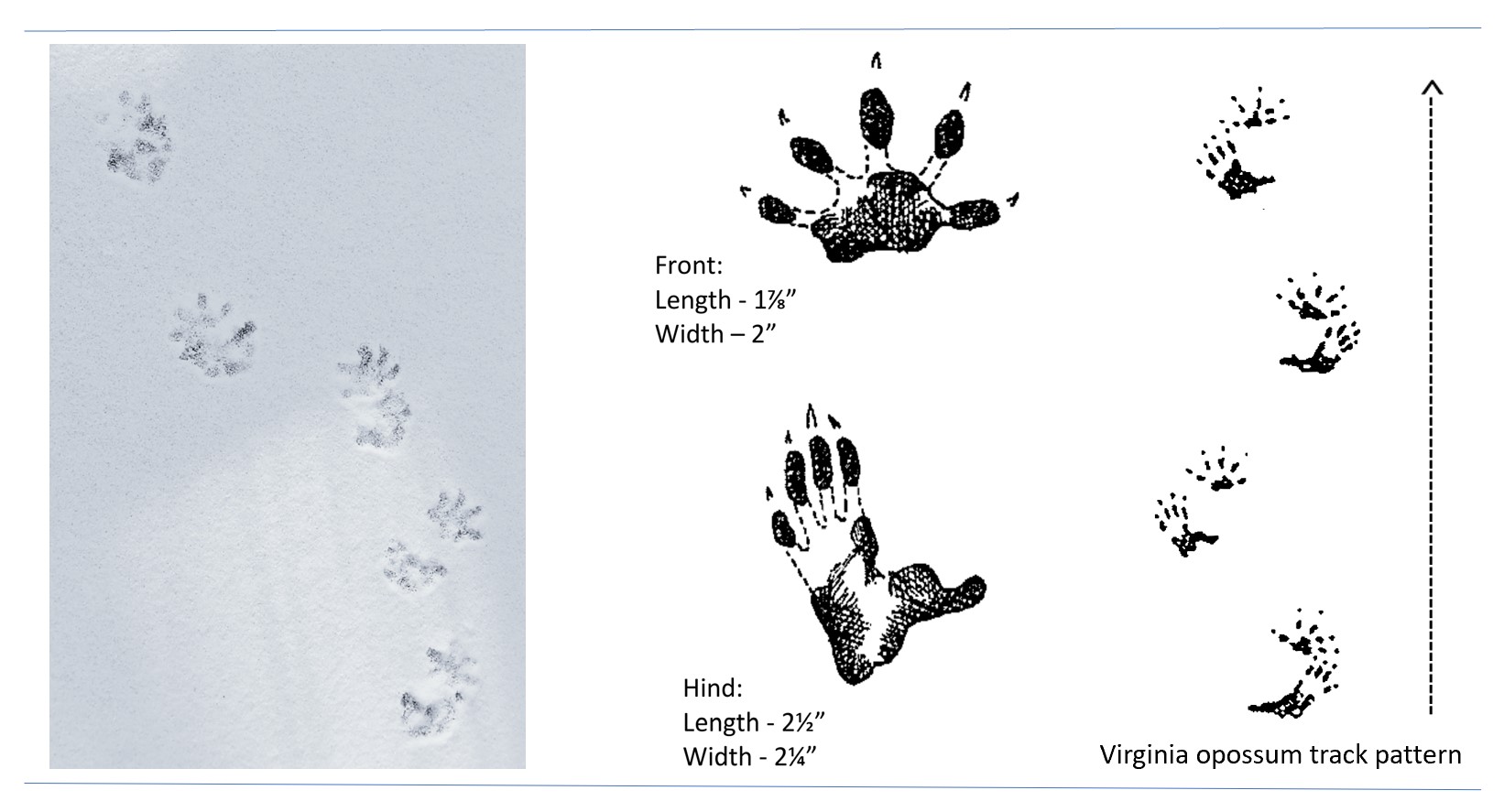
Opossum Tracks: Overlooked Denning Signs in Connecticut Snow

Opossums produce unique tracks: hind feet with opposable thumbs (like a handprint) and tail drags in snow, trailing under decks or sheds for winter refuge. Less aggressive but carriers of parasites, they den in Madison’s wooded backyards or Middlefield’s rural lots, scavenging food without much notice. In Clinton or Middletown, these tracks mean potential infestations causing minor damage or flea issues. Professional opossum removal ensures humane, legal handling—call us for exclusion and prevention.

Virginia Opossum | Wildlife Illinois

wildlifeillinois.org

Virginia Opossum | Wildlife Illinois

If you see tracks in snow under your shed, deck, or porch in Middlefield, Middletown, Clinton, or Madison, it’s a sign of denning skunks, raccoons, or opossums—don’t delay! RF Wildlife offers veteran-owned, DEEP-compliant wildlife removal starting at $225 for inspections (free if in area). Protect your property. Contact.

For more expert wildlife solutions across Connecticut, explore our network of specialized sites. Visit AnimalControlCT.com for comprehensive animal control services, WildlifeControlCT.com for in-depth tips on bats, squirrels, and more, RaccoonRemovalConnecticut.com for dedicated raccoon expertise, and MoleExterminators.com for effective mole trapping and prevention. As a veteran-owned team with 17+ years, we’re here to help—call 860-510-6313 today!

Skunk Removal in Connecticut: Act Before Breeding Season

As February 2026 arrives in Connecticut, skunk breeding season is beginning—typically from early February to mid-March, with males traveling up to 5 miles to find mates and females scouting secure dens for litters born in April-May. This heightened activity leads to more sightings, sprays, and burrows under decks or sheds in regions like Middlesex County and New Haven County. If you’re seeing early signs in towns like Old Saybrook or Branford, removing skunks now—before breeding intensifies—is crucial to prevent family groups forming and complicating evictions. At RF Wildlife, our veteran-owned (🪂🪖) team provides humane skunk removal in Connecticut—call 860-510-6313 for a free inspection and avoid a messy spring issue.

Skunk control CT
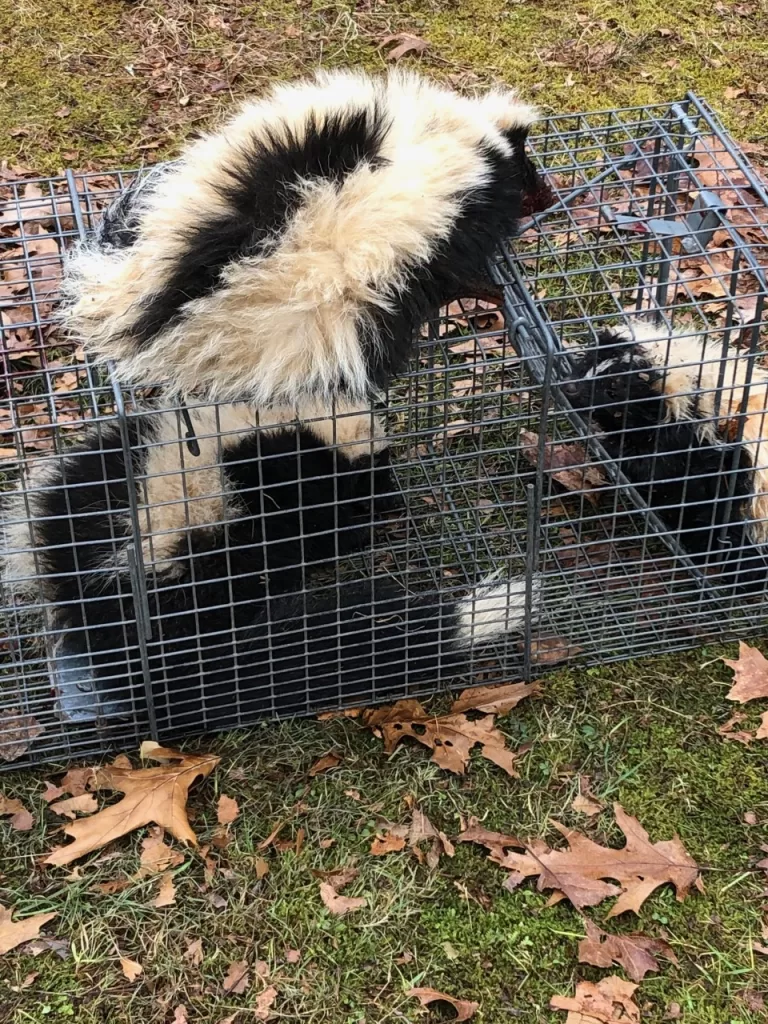
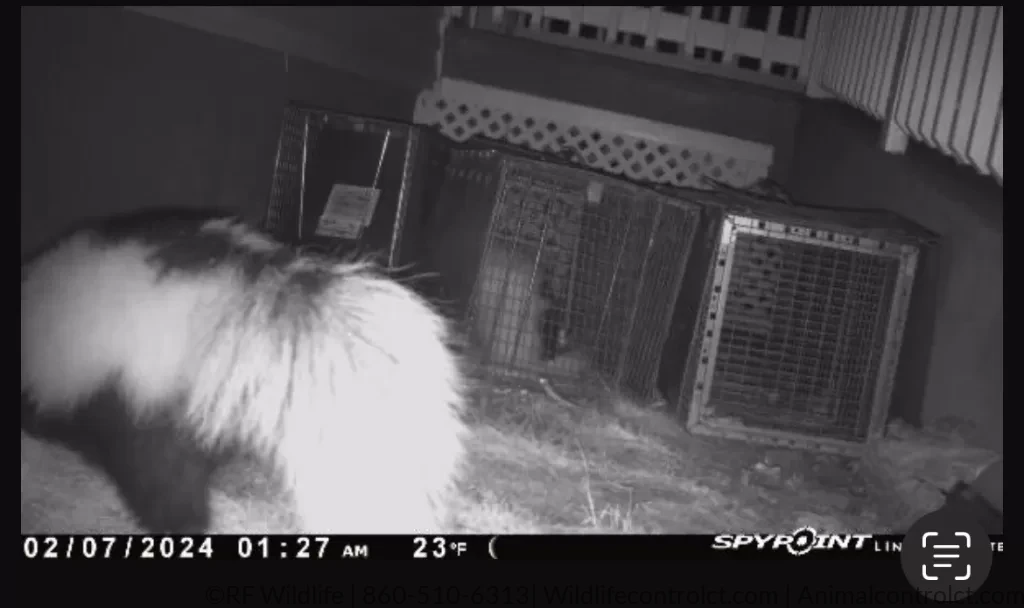
Skunks removed from Branford CT 2/2026

Understanding Skunk Breeding Season in CT: Why Early Action Is Key

Skunks in Connecticut start mating in late winter, cued by extending daylight. Males grow aggressive, spraying during territorial clashes, while females dig dens for 4-8 kits after a 60-75 day gestation. Families remain together through summer, increasing odors, digging, and pet encounters. In suburban-coastal areas like Westbrook or Madison, mild winters keep skunks semi-active, resulting in more invasions—denning under porches or foundations. Taking action before litters means simpler removal, sidestepping protective mothers, kit distress, and CT DEEP requirements (humane handling for rabies vectors).

Waiting risks rabies spread and yard damage—February is the optimal time for intervention.

Early Signs of Skunks Before Breeding in Connecticut

Detect these breeding-season clues to respond before families establish:

  • Potent Odors: Musky scents from sprays or fights—persists days, stronger near dens in Old Saybrook yards.
  • Burrows & Digging: 4-6 inch entrances with soil mounds—under decks, sheds, or foundations in Branford.
  • Tracks & Feces: Five-toed prints (small dog-like); dark, tubular droppings with insect fragments near entries.
  • Sightings & Sounds: Bold males active daytime in Guilford suburbs; scratching under structures at dusk.
  • Pet Incidents: Dogs sprayed—more common during mating roams in East Haven neighborhoods.

Noticing these in Middlesex County now enables humane removal without young.

Humane Skunk Removal Strategies Before Breeding in CT

RF Wildlife employs poison-free techniques as licensed NWCOs—evicting before kits for ethical, efficient outcomes. Our veteran-owned process for Connecticut properties includes:

  1. Inspection: Identify dens and entries—frequent under porches in Essex or Glastonbury.
  2. Eviction Methods: Apply natural repellents to encourage self-departure during breeding, prior to family formation.
  3. Trapping When Required: Humane baited traps for adults, with prompt dispatch per DEEP regulations (within 24 hours)—no harm involved.
  4. Cleanup & Sealing: Sanitize odors, fill burrows, and seal with mesh to block returns.
  5. Custom Prevention: Guidance for your Madison or Clinton yard, like securing trash and adding motion lights.

We guarantee compliance with CT laws, prioritizing safety for all.

Prevention Tips to Avoid Skunks During Breeding Season in CT

Block problems early in the season:

  • Secure garbage and pet food—skunks raid bins in East Haven during mating roams.
  • Seal structures: Cover deck gaps, vents, and foundations; inspect crawlspaces in February thaws.
  • Yard care: Remove brush piles and clear debris in Hartford County.
  • Deterrents: Use ammonia-soaked rags near potential dens—non-toxic for nocturnal visitors.
  • Monitor regularly: Check for signs weekly to catch pre-den activity.

These measures cut attractants in CT’s varied landscapes.

Call RF Wildlife for Proactive Skunk Removal in Connecticut

Don’t let skunk breeding season become a headache—remove before litters form for easier, humane solutions. Serving Old Saybrook, Middletown, Branford, and more, RF Wildlife delivers expert service. Call our veteran-owned team at 860-510-6313 or contact online for a free quote.

Raccoon Removal in Connecticut Act Before Females Give Birth

As February 2026 brings longer days and milder weather to Connecticut, raccoon breeding season is underway—typically starting in late winter (January-March) with males seeking mates. This leads to females giving birth in April-May after a 63-day gestation, often in attics, chimneys, or crawlspaces across Middlesex, New Haven, and Hartford counties. If you’re spotting signs of raccoons now in towns like Old Saybrook or Branford, acting before litters arrive is crucial to avoid bigger issues like noisy kits, damage, and health risks. At RF Wildlife, our veteran-owned (🪂🪖) team specializes in humane raccoon removal in Connecticut—call 860-510-6313 today for a free inspection and prevent a spring surprise.

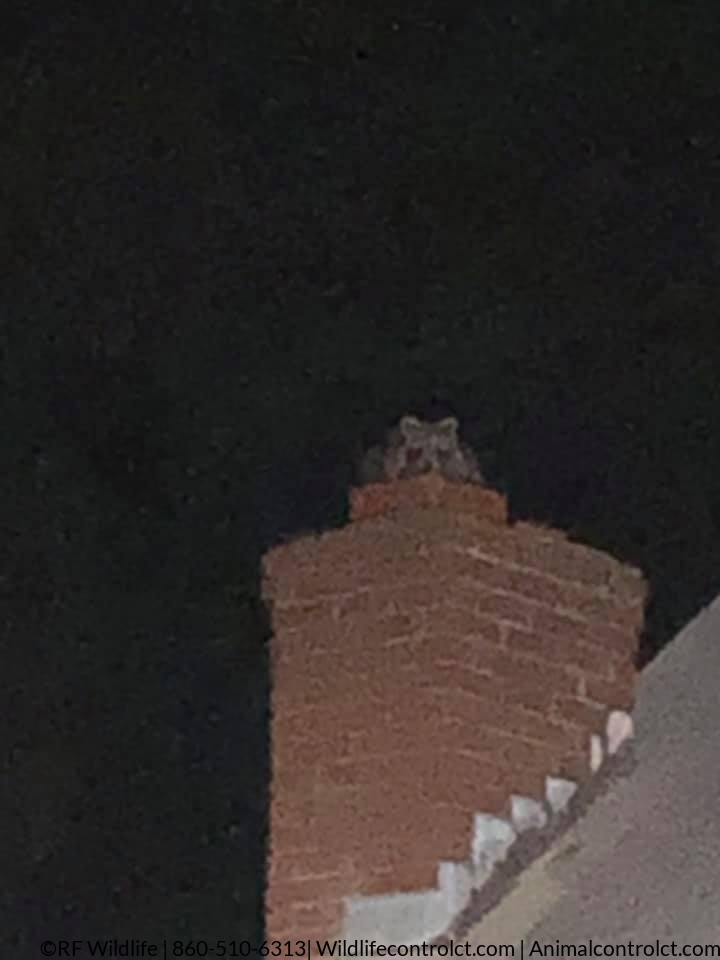
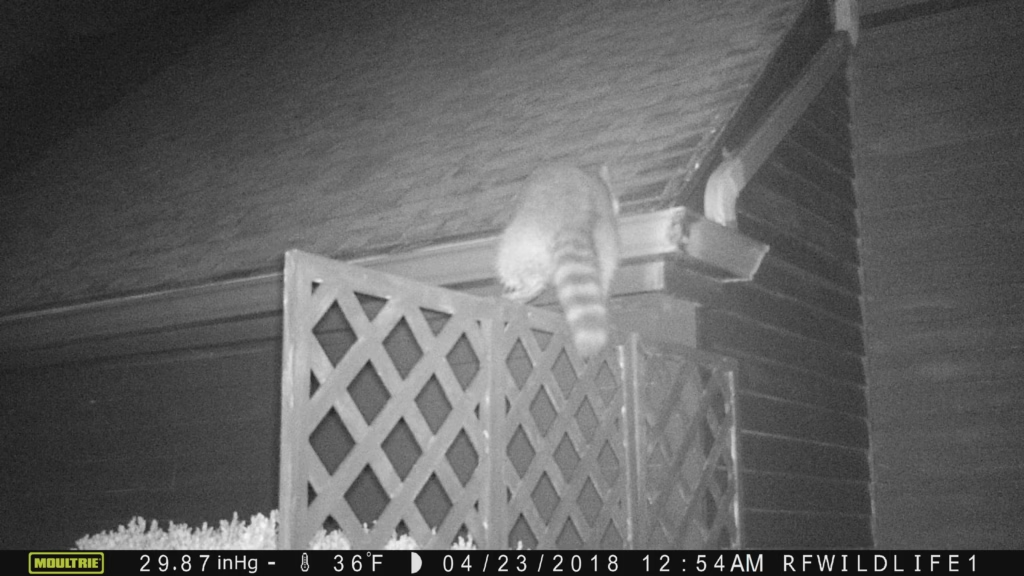
Raccoon climbing onto roof to den in attic in CT

Understanding Raccoon Breeding Season in CT: Why Timing Matters

Raccoons in Connecticut breed from late winter to early spring, with peaks in December-February when males roam widely (often leaving their dens to find receptive females). Unlike true hibernators, they may “den up” during cold snaps but emerge during warm spells, making early intervention key. Females produce one litter per year, averaging 3-5 cubs born in March-April, and family groups stay together for up to a year. In urban-suburban areas like Killingworth or Clinton, this means more invasions into homes for safe nesting spots—attics are favorites due to warmth and protection.

Delaying removal until after birth complicates things: You’ll deal with protective mothers, noisy kits, and legal/ethical hurdles under CT DEEP guidelines (e.g., humane handling required for rabies vectors). Removing before litters form prevents orphaning young and minimizes damage like chewed wires or soiled insulation.

Signs It’s Time for Raccoon Removal in Connecticut Before Birth

Spot these early indicators during breeding season to act fast:

  • Nocturnal Noises: Scratching, thumping, or growling in attics/chimneys at night—sounds like footsteps, often from mating pairs scouting dens.
  • Entry Damage: Torn vents, ripped shingles, or gaps around roofs—pregnant females squeeze through 4-inch holes to nest.
  • Droppings & Tracks: Dark, tubular feces (with seeds/berries) near entries; five-toed paw prints in mud or snow around Old Saybrook homes.
  • Increased Sightings: Bold males roaming daytime in Branford suburbs; overturned trash or garden raids signaling food searches for impending litters.
  • Musky Odors: Strong urine/feces smells from buildup, especially in crawlspaces during mild CT winters.

If you notice these in your Middlesex County property, don’t wait—early eviction is safer and easier.

Humane Raccoon Removal Methods Before Females Give Birth in CT

At RF Wildlife, we prioritize poison-free, humane approaches as licensed NWCOs—focusing on trapping before kits arrive. Here’s our process for Connecticut homes:

  1. Inspection: Use FLIR infrared tools to detect nests without disturbance, identifying entries in attics or chimneys.
  2. Eviction Techniques: If applicable Install one-way doors or apply natural repellents (e.g., eviction paste) to encourage self-removal—effective during breeding when young are just born.
  3. Trapping if Needed: Bait humane traps for solitary adults, per DEEP rules (within 24 hours)—avoiding harm to potential young.
  4. Cleanup & Repair: Close off entry seal with heavy mesh chimney cap etc.
  5. Prevention: Trim overhanging trees, secure vents, and add motion lights to deter future breeding-season visitors in Guilford or Madison.

Our veteran-owned team ensures compliance with CT laws, keeping your family, pets safe.

Prevention Tips to Avoid Raccoon Issues During Breeding Season in CT

Proactive steps now can stop problems before births in April-May:

  • Secure garbage and pet food indoors—raccoons raid bins in Branford neighborhoods.
  • Seal home entries: Cover chimneys and vents; check crawlspaces during February thaws.
  • Yard maintenance: Remove brush piles and trim branches overhanging roofs in Madison.
  • Deterrents: Install sprinklers or ammonia-soaked rags near potential dens—non-toxic and effective.
  • Monitor for signs: Regular inspections in early spring prevent established nests.

These measures reduce attractants, especially in CT’s mixed urban-rural areas where raccoons thrive.

Call RF Wildlife for Timely Raccoon Removal in Connecticut

Don’t let raccoon breeding season turn into a bigger headache—remove before females give birth for easier, humane solutions. Serving Old Saybrook, Middletown, Branford, and beyond, RF Wildlife offers fast, expert service. Call our veteran-owned pros at 860-510-6313 or contact us online for a free quote. Let’s keep your home critter-free this spring!

Skunk Removal in Middlesex County, CT

Skunk Removal in Middlesex County, CT – Safe & Humane Wildlife Control

Are you dealing with skunks on your property in Middlesex County, CT? Our professional skunk removal services ensure safe, humane, and effective wildlife control to protect your home and family. We proudly serve all towns in Middlesex County, including Middletown, Cromwell, Durham, East Haddam, East Hampton, Essex, Haddam, Killingworth, Old Saybrook, Portland, and Westbrook.

Why Choose Our Skunk Removal Services?

  • Humane Trapping & Removal – We use safe, ethical methods to capture and relocate skunks without harm.
  • Odor-Free Solutions – We implement strategies to prevent spraying and neutralize skunk odors if needed.
  • Damage Prevention – Skunks can dig under decks and sheds; we offer exclusion techniques to keep them out.
  • 24/7 Emergency Response – If you have a skunk problem, we’re available anytime to help.
  • Licensed & Insured – Our team is fully certified to handle wildlife control in Connecticut.

Signs You Have a Skunk Problem

  • Strong, lingering skunk odor around your property
  • Small holes dug in your lawn from skunks foraging for food
  • Skunk sightings, especially at dusk or dawn
  • Sounds of rustling or movement under decks, sheds, or porches

Our Skunk Removal Process

  1. Inspection – We assess your property to locate skunk burrows and entry points.
  2. Trapping & Removal – We use humane traps to capture the skunks safely.
  3. Exclusion & Prevention – We install barriers and deterrents to prevent future infestations.

Serving Middlesex County, CT

We proudly provide skunk removal services across Middlesex County, including:

  • Middletown
  • Cromwell
  • Durham
  • East Haddam
  • East Hampton
  • Essex
  • Haddam
  • Killingworth
  • Old Saybrook
  • Portland
  • Westbrook

Contact Us for Skunk Removal in Middlesex County

If you’re facing a skunk problem in Middlesex County, CT, don’t wait! Contact us today for professional skunk removal services. Call [Your Phone Number] or fill out our online form for a free consultation.

Professional Animal Trapping Service In Connecticut📢🦝🌿

Are you facing unwanted wildlife visitors on your property? Look no further! RF Wildlife is here to provide you with expert animal trapping services in Connecticut, ensuring a humane and efficient solution to your wildlife intrusion problems.

🐾 Our Expertise in Animal Trapping: At RF Wildlife, our team of skilled professionals is well-equipped to handle a variety of wildlife species that may be causing disturbances on your property. Our comprehensive trapping services cover:

  1. Skunk Trapping: Dealing with skunks can be a smelly situation. Let our experts safely and efficiently remove skunks from your premises.
  2. Raccoon Trapping: Raccoons can be both cunning and destructive. Trust RF Wildlife to safely trap and relocate these intelligent creatures, ensuring the safety of your property.
  3. Mole Trapping: Moles may be small, but their presence can lead to extensive damage to your lawn. Our mole trapping services are designed to swiftly address this issue.
  4. Squirrel Trapping: Squirrels are notorious for finding their way into attics and causing damage. Our professionals employ humane trapping methods to safely remove squirrels from your property.
  5. Flying Squirrel Trapping: These nocturnal creatures can become a nuisance. RF Wildlife utilizes specialized techniques to capture flying squirrels quickly.
  6. Opossum Trapping: Opossums are known for their nocturnal habits. If you have unwanted opossum visitors, we can safely trap and relocate them, ensuring a harmonious coexistence.
  7. Woodchuck Trapping: Woodchucks can dig extensive burrows, causing structural damage. Our experts are skilled in trapping and removing woodchucks efficiently.

🛑 Why Choose RF Wildlife?

  • Humane Practices: We prioritize the safety and well-being of wildlife and customers, using humane trapping methods.
  • Experienced Team: Our team comprises experienced professionals with decades of experience and a deep understanding of Connecticut’s wildlife.
  • Prompt and Reliable Service: We understand the urgency of wildlife issues and strive to provide prompt and reliable solutions.
  • Customized Solutions: Each trapping situation is unique, and we tailor our approach to meet your specific needs.

📞 Contact RF Wildlife Today! Don’t let unwanted wildlife disrupt your peace. Contact RF Wildlife for professional animal trapping services in Connecticut. Call us at 860-510-6313 to schedule a consultation or visit our websites at animalcontrolct.com, wildlifecontrolct.com, moleexterminators.com, Raccoonremovalct.com for more information.

Let RF Wildlife be your trusted partner in resolving wildlife-related challenges with expertise, compassion, and efficiency! 🌳🐾

Signs of Bat Infestation in Your Connecticut Home

RF Wildlife warns of bat infestations indicated by nocturnal noises, guano accumulation, stains and grease marks, and odors. Urging quick, humane response, they offer expert removal and preventive services, highlighting their experienced professionals and comprehensive, ethical practices to safely exclude bats and secure homes against re-entry.

Are mysterious sounds and fluttering noises keeping you up at night? Have you noticed an unusual accumulation of droppings in your attic or around your property? It might be time to shed light on a potential bat infestation. At RF Wildlife, we understand the importance of swift and humane wildlife removal, and we’re here to help you identify the signs of a bat invasion before it becomes a larger problem.

🔍 Key Indicators of Bat Infestation:

  1. Strange Noises: Bats are nocturnal creatures, and their activity is most noticeable at night. If you’re hearing unexplained squeaking, scratching, or fluttering sounds during the evening, it could be a sign that bats have taken residence in your home.
  2. Guano Accumulation: Bat droppings, also known as guano, can accumulate in areas where bats roost. These droppings are often found in attics, chimneys, and other secluded spaces. Guano is not only unsightly but can also pose health risks, making it crucial to address the issue promptly.
  3. Stains and Grease Marks: Bats can leave behind stains and grease marks near entry points or on walls. These marks are a result of the oils and dirt on their fur as they navigate through tight spaces.
  4. Visible Entry Points: Bats gain access to homes through openings as small as a quarter-inch. Inspect your property for any gaps or cracks in walls, roofs, or foundations, as these could be potential entry points for bats.
  5. Unpleasant Odors: Accumulated guano and urine can produce a distinctive, unpleasant odor. If you notice an unusual smell in your home, especially in confined spaces, it’s essential to investigate the possibility of a bat infestation.

🚨 Taking Action:

If you’ve observed one or more of these signs, it’s crucial to address the issue promptly. RF Wildlife specializes in humane bat removal, ensuring the safety of both you and the bats. Our experienced team employs ethical and effective methods to exclude bats from your property, followed by sealing entry points to prevent future infestations.

👉 Why Choose RF Wildlife?

Experienced Professionals: Our team consists of wildlife removal experts with extensive experience in handling bat infestations.

Humane Practices: We prioritize ethical and humane removal methods, promoting the coexistence of humans and wildlife.

Comprehensive Services: From inspection to exclusion and preventative measures, RF Wildlife offers a full range of services to address your bat infestation concerns.

Don’t let a bat infestation cast a shadow over your home. Contact RF Wildlife today, and let us shine a light on a safe and effective solution for your wildlife removal needs. 🌿🦇

Mothballs as Skunk Repellent? The Risks You Should Know!

Are skunks causing havoc on your property? Tempting as it may be, using mothballs as a skunk repellent poses severe health risks and environmental harm. Opt for RF Wildlife Skunk Removal – a safer, humane solution for ethical wildlife control. Say goodbye to skunk troubles responsibly with RF Wildlife Skunk Removal!

Skunk Repellents don’t work

Are you facing the challenge of skunks invading your property? It’s understandable that you want a humane and effective solution to keep these critters at bay. One method that some people consider is using mothballs as a skunk repellent. However, before you resort to this option, it’s crucial to understand the potential risks and drawbacks associated with using mothballs for wildlife control.

The Appeal of Mothballs for Skunks

Mothballs contain naphthalene or paradichlorobenzene, chemicals that emit a strong odor. This odor is meant to repel moths and other insects from clothes and stored items. Some homeowners believe that the strong scent of mothballs could similarly deter skunks from entering their property.

The Risks and Drawbacks

1. Toxicity to Humans and Pets

Mothballs are not intended for outdoor use, and their fumes can be harmful to humans and pets. Inhaling or ingesting mothball vapors can lead to serious health issues, including nausea, dizziness, and even more severe conditions. Placing mothballs in areas accessible to children or pets poses a significant risk.

2. Environmental Impact

Mothballs release toxic chemicals into the environment, potentially harming plants, soil, and water sources. The use of mothballs for skunk control can contribute to pollution and ecological damage.

3. Ineffectiveness

Skunks are resilient creatures, and their determination to find food or shelter may outweigh any discomfort caused by mothball odor. Using mothballs as a skunk repellent may prove ineffective, leading to frustration and a continued skunk presence on your property.

4. Illegal Use

In some regions, using mothballs outdoors for wildlife control may be illegal. Misusing pesticides or chemicals not approved for wildlife management can result in fines and legal consequences.

A Safer and More Effective Solution: RF Wildlife Skunk Removal

For a effective, safe, and reliable solution to skunk problems, consider professional wildlife removal services. RF Wildlife Skunk Removal specializes in the humane removal of skunks and other wildlife from residential and commercial properties. Our experienced team employs ethical and effective methods to remove skunks, ensuring the well-being of both the animals and the environment. Contact or call 860-510-6313 for questions or service.

Conclusion

While the idea of using mothballs as a skunk repellent may seem like a quick fix, the potential risks and drawbacks outweigh the perceived benefits. To address skunk issues responsibly, consider turning to professionals like RF Wildlife Skunk Removal for a safe and effective solution that prioritizes the welfare of both humans and wildlife. Don’t compromise on safety and environmental impact – choose a reliable and ethical approach for skunk control.

Skunk Breeding Season Has Started in Connecticut! 🦨❄️

Hey CT residents—February 2026 is peak skunk mating season! Males are roaming miles in search of mates, females are scouting dens under sheds, decks, and crawlspaces. More sightings, sprays, and that unmistakable odor mean it’s time to act before a family moves in.

Why now? Increased activity leads to property damage (dug lawns, burrows), pet sprays, and health risks (rabies vector). Don’t let it escalate!

🚨 RF Wildlife – Your Humane Skunk Removal Experts in CT! 🚨 Veteran-owned (🪂🪖) with 16+ years serving Old Saybrook, New Haven, Middlesex & shoreline towns.

Why Choose Us?

  1. Expert Knowledge: We know CT skunk breeding patterns for fast, effective removal.
  2. Prompt Response: Same-day inspections in many areas—don’t wait for the smell!
  3. Humane & Safe: Poison-free trapping, exclusion sealing, and prevention—no harm to skunks or your family/pets.

What We Offer:

  • Free inspections to spot entry points & nests
  • Humane trapping & relocation (per DEEP rules)
  • Sealing & yard-proofing to stop future invasions
  • Tips for pet-safe odor removal if sprayed

Protect your home & peace of mind this breeding season! Call RF Wildlife at 860-510-6313 or DM for a free quote. Serving Old Saybrook, Branford, Guilford, Madison & more.

RF Wildlife – Trusted Humane Wildlife Removal in Connecticut 🦨🌿 #SkunkRemovalCT #SkunkBreedingSeason #ConnecticutWildlife #OldSaybrook #MiddlesexCounty

Why This Version Improves SEO & Engagement on X:

  • Keywords: Front-loads high-search terms (“skunk breeding season Connecticut,” “skunk removal CT”) for better discoverability in X search and Google (posts often rank in local results).
  • Local Tie-Ins: Mentions towns (Old Saybrook as your hometown) and counties to boost local relevance—helps with X geo-tags and Google’s local signals.
  • Trust Boost: Adds veteran-owned emoji and experience for credibility (E-E-A-T).
  • Urgency & Value: Seasonal hook + specific benefits (same-day, free inspection) encourage quick action.
  • Hashtags: Targeted & relevant for reach without overdoing it.
  • Length: ~1,200 chars—fits as one post or split into a thread if needed (e.g., intro → why now → services → CTA).

Post this with a photo (e.g., your skunk tracks pic from the page, or a den under deck) for higher engagement. Share a link to your breeding season page (animalcontrolct.com/skunk-removal-ct/skunk-breeding-season-in-connecticut-february-signals-the-start/) in replies or bio for traffic.

If you want it shorter for a single tweet, a thread version, or tweaks (e.g., add a poll: “Has your dog been sprayed this season?”), let me know! 🇺🇸🦨

Help with Skunk Spraying During the Breeding Season (FEB-March)

Navigating the challenges of skunk activity under your house, shed, or deck during the winter breeding season demands a proactive stance and humane strategies. Skunks, during their breeding season from February to March, may display territorial behaviors, often choosing sheltered spaces like those beneath structures for denning. Understanding their defensive mechanism—spraying potent musk—becomes crucial for preventive actions. If your dog falls victim to a skunk spray, immediate action is necessary. Avoid allowing your pet into enclosed spaces to contain the odor, and inspect for signs of irritation. A vet-approved remedy, involving hydrogen peroxide, baking soda, and liquid dish soap, can help neutralize the pungent odor. Transitioning from skunk spray on pets to managing skunk activity around your property, contacting RF Wildlife in Connecticut (860-510-6313) becomes a pivotal step. Their wildlife professionals conduct thorough assessments, identifying entry points and offering customized plans for removal and prevention. By implementing preventive measures and employing humane removal methods, RF Wildlife ensures a harmonious coexistence between residents and these intriguing creatures, fostering a safe living environment.

Managing Skunk Spraying Under House, Shed, or Deck During the Winter Breeding Season (FEB-March)

Understanding Skunk Behavior:

  • Breeding Season Habits: Skunk breeding season typically occurs from February to March. During this time, skunks may exhibit more territorial behaviors, including seeking out sheltered spaces like those under houses, sheds, or decks for denning purposes.
  • Spraying as a Defense Mechanism: Skunks are known for their potent spray, which they use as a defense mechanism when feeling threatened. Understanding the triggers for spraying can help residents take preventive actions.
  • Skunk Spray Your Dog?: Skunk spray on your dog can be an unpleasant and challenging situation. Skunk musk is not only pungent but also contains sulfur-based compounds that adhere to fur and skin, causing a persistent and offensive odor. If your dog gets sprayed by a skunk, it’s essential to act promptly. Avoid letting your dog back into the house or car to prevent the odor from spreading. Begin by examining your pet for any signs of irritation, especially around the eyes, nose, and mouth. To neutralize the odor, a common and effective home remedy involves a mixture of hydrogen peroxide, baking soda, and liquid dish soap. However, it’s crucial to consult with a veterinarian before applying any home remedies, as they can provide guidance based on your dog’s specific health needs. Regular grooming and bathing, along with professional advice, will help mitigate the impact of skunk spray on your furry friend

Taking Action:

  • Contacting RF Wildlife in Connecticut: If you find evidence of skunk activity under your house, shed, or deck during the breeding season, it is advisable to contact professionals. RF Wildlife in Connecticut (860-510-6313) specializes in wildlife management, offering safe and humane solutions for skunk-related issues.
  • Expert Assessment: Wildlife professionals, like those at RF Wildlife, can conduct a thorough assessment of the situation. They will identify potential entry points, assess the number of skunks present, and formulate a customized plan for removal and prevention.
  • Preventive Measures: Implementing preventive measures is crucial to deter skunks from choosing your property for denning. Wildlife experts may recommend securing entry points, removing attractants like food sources, and modifying the environment to make it less appealing to skunks.
  • Humane Removal: If skunks have already taken residence, humane removal methods will be employed. This ensures the safety of both residents and the skunks, following ethical wildlife management practices.

Skunk Management: Proactive Solutions During Breeding Season with RF Wildlife in Connecticut

Dealing with skunk activity under your house, shed, or deck during the breeding season requires a proactive and humane approach. Contacting RF Wildlife in Connecticut at 860-510-6313 ensures that experienced professionals will handle the situation, providing effective solutions to mitigate conflicts and promote a harmonious coexistence with these intriguing creatures.

Skunk-Free Winters: Expert CT Skunk Removal Services

CT Skunk Removal in Winter

Winter Skunk removal
Skunks in winter (Feb mating season) CT

Decades of Experience Trapping and Removing Skunks

Keep Your Home Skunk-Free All Year Round

Winter in Connecticut brings with it a unique set of challenges when it comes to wildlife control. One persistent nuisance that homeowners may encounter during the cold months is skunks seeking shelter and warmth. Skunks are known for their distinctive smell and can be quite a problem if they decide to take up residence under your home, porch, or in your outbuildings. At RF Wildlife located in CT, we specialize in humane and effective skunk removal, even during the winter months.

Why Do Skunks Choose Winter Shelters?

During the winter, skunks look for warm and safe places to nest and stay away from the freezing temperatures. Your home and yard can provide the ideal refuge. They often burrow under decks, porches, or crawl spaces, making your property their temporary home. Not only can this lead to damage, but it also increases the risk of unpleasant encounters with these creatures.

The Importance of Professional Skunk Removal

While it may be tempting to handle a skunk problem yourself, it’s essential to remember that skunks are wild animals and can be carriers of diseases such as rabies. Attempting to remove them without proper training and equipment can lead to dangerous situations and even legal issues.

Our Winter Skunk Removal Process

At RF Wildlife, we follow a thorough and humane process for skunk removal in the winter:

  1. Inspection: Our skilled technicians will inspect your property to determine the skunk’s entry points and nesting areas.
  2. Customized Plan: Based on our assessment, we will develop a customized removal plan that suits the unique circumstances of your situation.
  3. Humane Trapping: We use safe and humane trapping methods to capture skunks. Our primary goal is to ensure the safety of both your family and prevent the skunks from spraying as much as possible.
  4. Exclusion: Once the skunks are removed, we implement exclusion methods to prevent them from returning. This includes sealing entry points and providing suggestions for habitat modifications.

Preventing Future Skunk Encounters

After successfully removing skunks from your property, it’s essential to take steps to prevent future infestations, especially during the winter months. Our experts can provide advice on how to make your home and yard less appealing to skunks, such as securing garbage bins, sealing entry points, and keeping pet food indoors.

Contact RF Wildlife in CT for Winter Skunk Removal

Don’t let skunks take over your property during the winter months. Trust the experts at RF Wildlife to safely and effectively remove these unwanted guests and prevent future infestations. Our team is available year-round to assist you with all your Skunk control needs.

For immediate assistance with winter skunk removal or to schedule an inspection, please contact us today. Your home and family’s safety are our top priorities, and we’re here to help you keep your property skunk-free throughout the winter and beyond.

Contact Animal Control CT at 860-510-6313 or Contact Form to schedule your skunk removal service today!

CALL NOW