
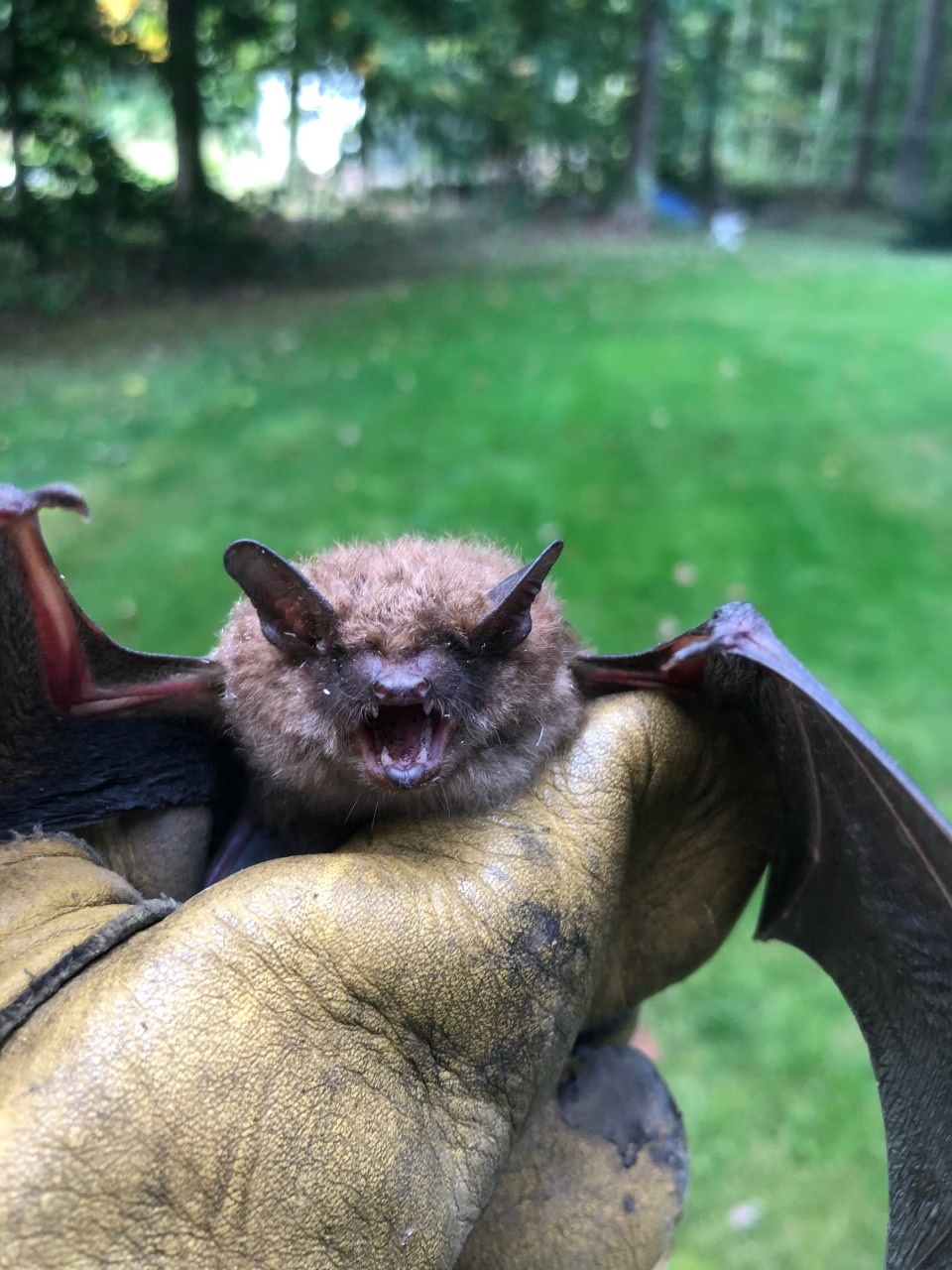
Finding a bat flying in your house is unnerving, but the first step is to stay calm and handle it the right way. In Connecticut, the biggest question is not just how to get the bat out — it is whether anyone may have had contact with it. If a bat was found in a bedroom, near a sleeping person, child, impaired adult, or pet, do not release it until you know whether rabies testing may be needed.
If you already know you have bats living in the house, visit our Connecticut bat removal page. If you are seeing bats indoors and suspect they may be coming from the attic or walls, our guide on how to get rid of bats in an attic explains the next step.
Call or text RF Wildlife at 860-510-6313 if you need help identifying the situation, capturing the bat safely, or scheduling an inspection.
Did You Wake Up to a Bat in the House?
This is the most important question. If a bat was in a room with a sleeping person, a young child, someone with dementia, an impaired adult, or anyone who may not be able to say for sure whether contact happened, treat it as a possible rabies exposure until told otherwise by a doctor or health department. Connecticut public health guidance says that in a potential exposure, you should contact your local health department or local animal control officer. Do not assume “no bite means no risk.”
- Do not release the bat if there is any chance of contact with a sleeping person, child, pet, or anyone unable to reliably report what happened.
- Close the bat into one room if possible so it cannot move through the rest of the house.
- Call your local health department or doctor right away for exposure guidance.
- If you need help capturing it safely, call RF Wildlife at 860-510-6313.
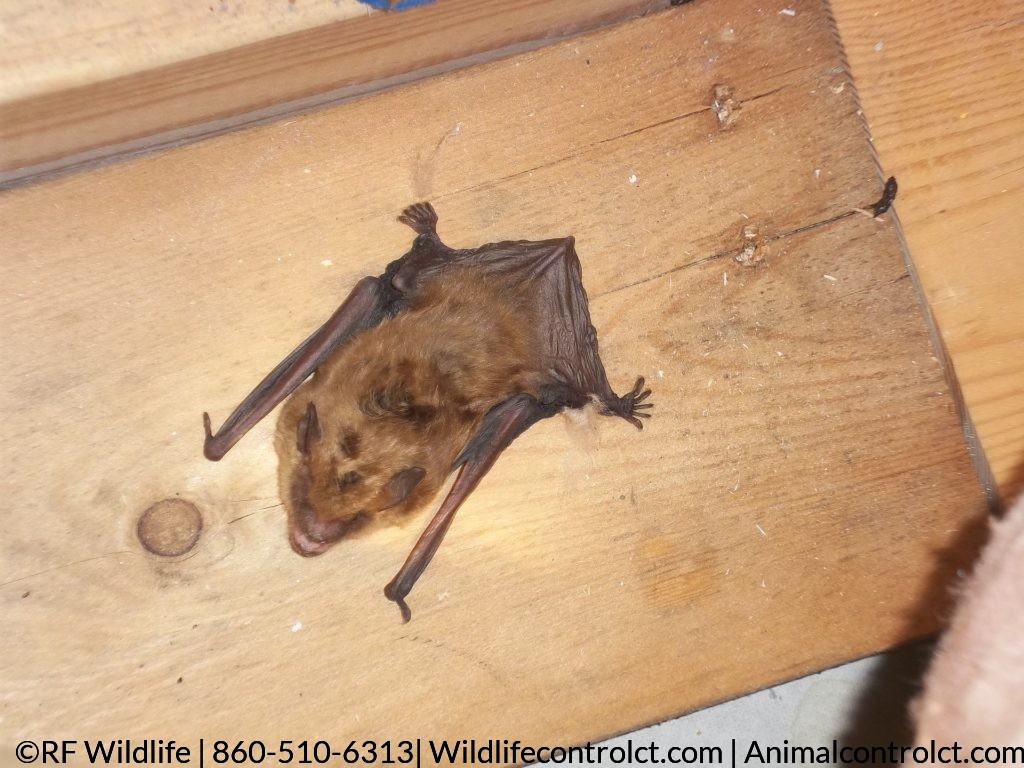
What to Do Right Away if a Bat Is Flying in the House
- Stay calm. Most bats flying indoors are not trying to attack anyone. They are disoriented and trying to find a way out.
- Keep people and pets away. Move children, dogs, and cats out of the room.
- Close interior doors. Keep the bat contained in one room if you can.
- Turn off ceiling fans. Fans can injure the bat and make the room more dangerous.
- Do not touch it with bare hands. Use gloves if you must handle anything involved in capture.
When It Is Okay to Open a Window and Let It Out
If everyone was awake, there was clearly no contact, and the bat was just flying in a room, you can often isolate it, turn off lights inside, open a window or exterior door, and let it leave on its own. Many single bats indoors are young bats that ended up in the wrong place or followed air currents into living space.
That said, if a bat got into the house, there is often a bigger issue behind it. A bat in the living space frequently means bats are using the structure somewhere — often the attic, soffits, or wall voids. So even if the immediate problem resolves, it is smart to inspect the home or have it inspected.
If There May Have Been Contact, Capture the Bat for Testing
If there is any uncertainty about exposure, the bat should be captured and kept available for public health guidance. Connecticut’s Department of Public Health says the local health department or local animal control officer should be contacted in potential rabies exposure situations, and the official rabies examination form is used by authorized responders rather than by the general public.
- Isolate the bat in one room. Shut doors so it cannot move around the house.
- Wait for it to land if possible. A bat is easier to contain once it lands on a wall, curtain, or floor.
- Wear thick gloves. Use a container, coffee can, or plastic tub and a piece of cardboard to trap it against the surface.
- Keep it cool, not frozen. If advised to hold the bat for pickup or testing, refrigeration is generally preferred over freezing.
- Call your local health department. They can tell you the next step and coordinate guidance on testing.
Call Your Local Health Department
If a person may have been exposed, contact your local health department as soon as possible. Connecticut has a state directory to help you find the correct local or district health department for your town. Use this official directory here:
Connecticut Local Health Department Directory
You can also review Connecticut’s rabies information page here:
Connecticut Department of Public Health – Rabies Information
If you are in Madison specifically, the local health department page is here:
What About Pets?
If your dog or cat may have had contact with the bat, call your veterinarian promptly. Your vet can advise whether a rabies booster or other next steps are recommended. Connecticut DEEP also says pet exposures to suspect rabid animals should be reported to a veterinarian and the town animal control officer.
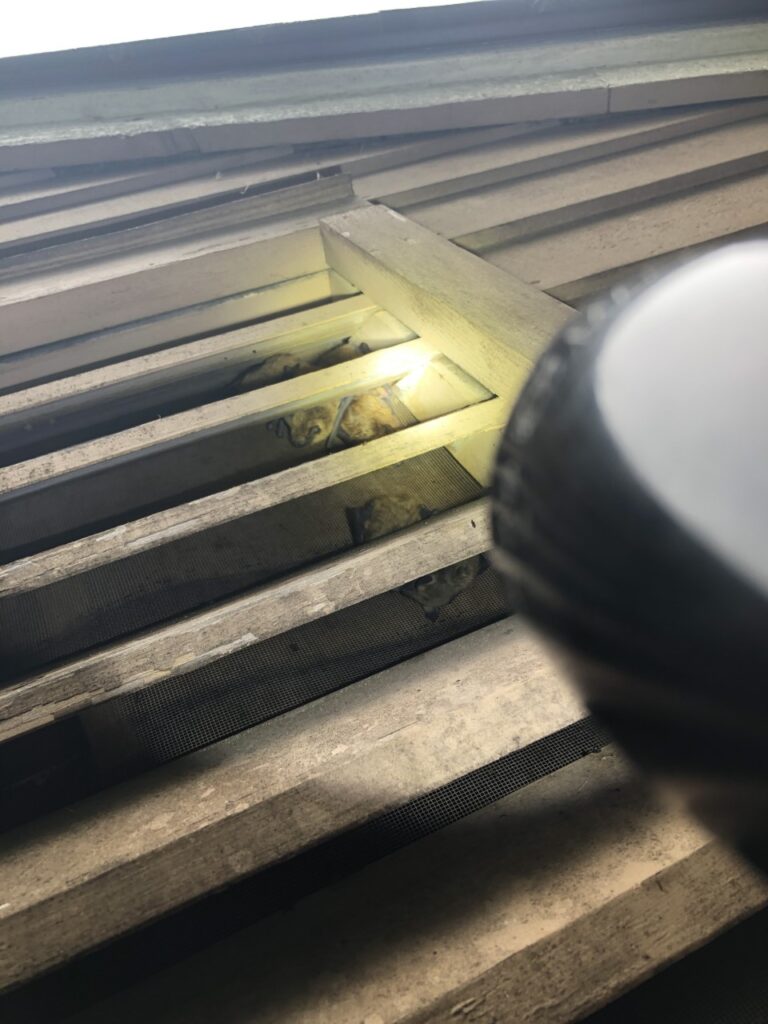
Most of the Time, a Bat in the House Means More Bats Are Living Somewhere in the Structure
This is the part many homeowners miss. A random bat indoors can happen, but a lot of the time, especially during summer, the bat got into the living space because a colony is roosting in the attic, soffit, wall void, or behind trim. If you find one bat in the house, there is a good chance others are using the structure.
That is why emergency capture and long-term correction are two different things. Getting the bat out of the bedroom solves the immediate problem. Figuring out how it got in is what prevents it from happening again.
What RF Wildlife Can Help With
- Safe bat capture guidance
- Emergency bat-in-the-house help
- Inspection of attics, soffits, and wall-entry areas
- Humane bat exclusion
- Permanent sealing of entry points
If you have a bat flying inside the home, or if you think bats are getting in from the attic, call or text RF Wildlife at 860-510-6313.
Need Help Right Now?
If there may have been contact, keep the bat available and call your doctor and local health department right away. If there was clearly no contact and you just need help getting it out safely, RF Wildlife can walk you through the next step or schedule an inspection if bats may be living in the structure.
Call or text RF Wildlife at 860-510-6313 for help with a bat in the house, attic inspections, and humane bat removal in Connecticut.
