
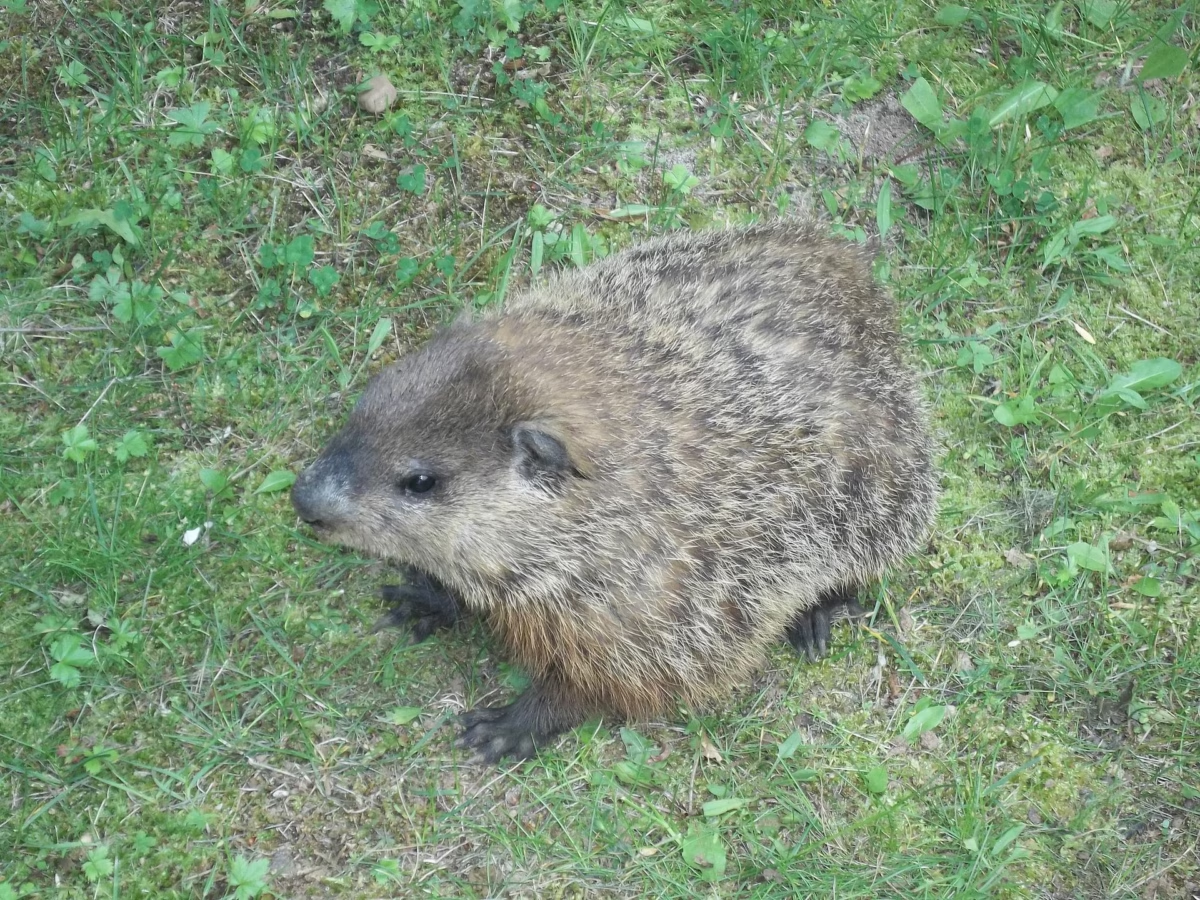
If you think there is a beaver living under your shed or deck in Connecticut, you are probably dealing with a different animal. I actually do get calls like that. People see a stocky brown animal, a big hole, or a burrow near the yard and assume “beaver.” Most of the time, the real culprit is a woodchuck, also called a groundhog.
This page is here to help identify the difference. If the animal is truly under a shed, porch, or deck, a woodchuck is far more likely than a beaver. Connecticut DEEP specifically notes that woodchucks commonly burrow under sheds and porches, while beavers are tied to freshwater habitats like streams, rivers, ponds, and wetlands. :contentReference[oaicite:2]{index=2}
Call or text RF Wildlife at 860-510-6313 if you need help identifying or removing the animal under your shed or deck.
Dealing With a “Beaver” Under Your Connecticut Shed or Deck
Most of the Time, It Is Not a Beaver
One of the more common wildlife misidentifications is the “beaver under my shed” call. Beavers are native to Connecticut, but they are semi-aquatic animals. They are built for water and usually live in or along ponds, streams, marshes, wetlands, river edges, bank dens, and lodges. They are famous for damming water and cutting trees, not for routinely living under dry backyard sheds or decks. :contentReference[oaicite:3]{index=3}
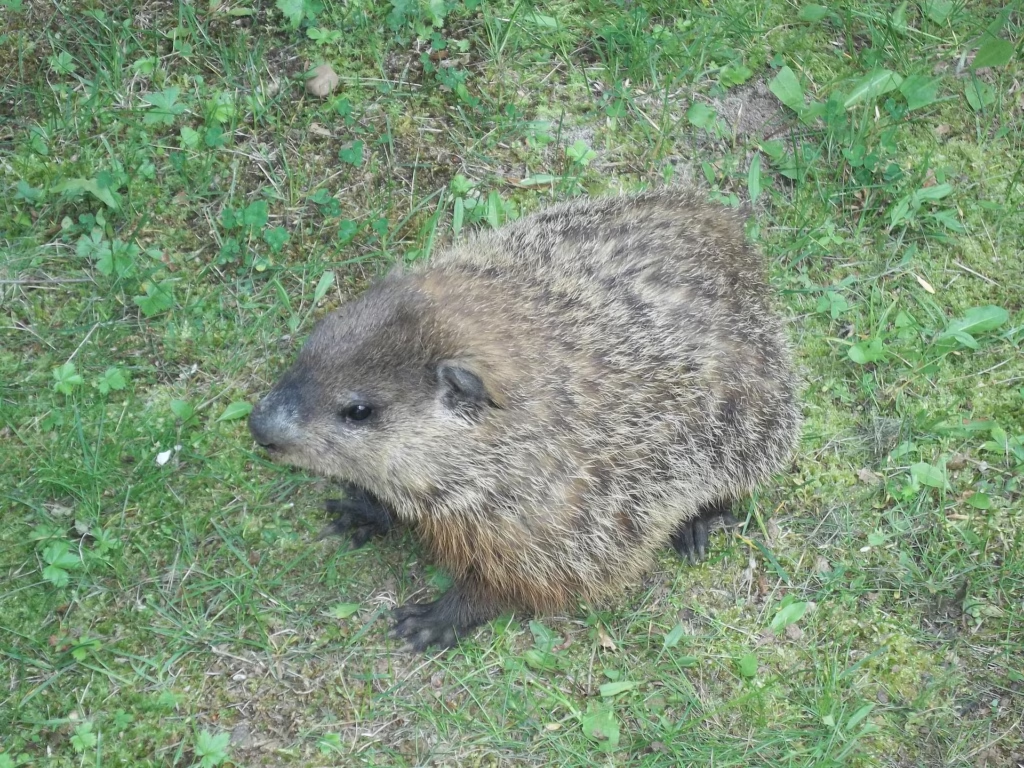
If you have a large burrow under a shed or deck, the animal is much more likely to be a woodchuck. Other possibilities include skunks, foxes, or opossums depending on the property and the type of digging, but “beaver under shed” is usually just a mistaken first guess.
If you already know it is a groundhog, go to the parent page here: groundhog removal CT.
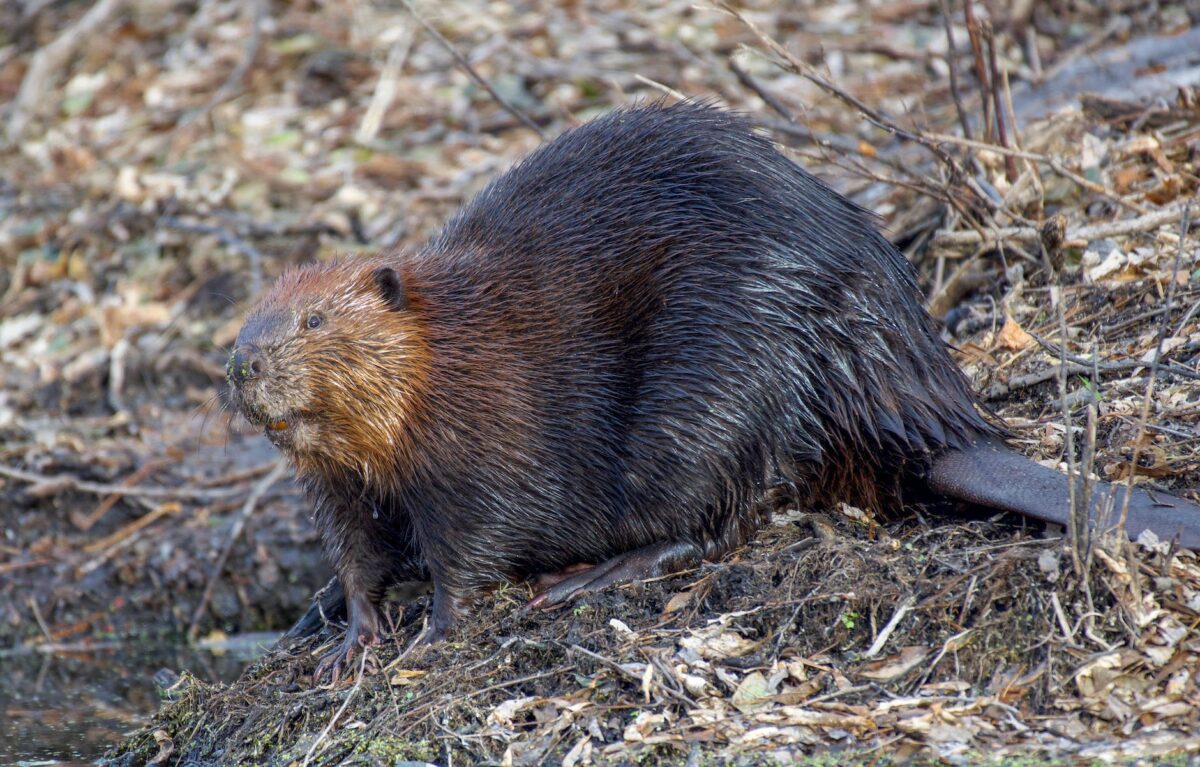
What Real Beavers Are Usually Doing in Connecticut
Beavers in Connecticut are usually connected to water problems, not crawl-space problems. Their nuisance activity tends to involve flooded areas, plugged culverts, gnawed trees, bank dens, trails to water, and changes to ponds, streams, and wetlands. That is the kind of beaver complaint that makes sense. A dry den under a suburban shed usually does not. :contentReference[oaicite:4]{index=4}
If you are not seeing water, cut saplings, muddy slides, or dam-building activity, you should be thinking harder about woodchucks and other denning animals before assuming beaver.
Why People Confuse Beavers and Woodchucks
From a quick glance, a woodchuck can look bigger than people expect. It is a chunky, low, brown animal with a broad back and a heavy body. When it dives into a burrow, homeowners often describe it as “too big to be a groundhog,” which leads them to say beaver. But once you look at the details, the differences are pretty obvious.
- Woodchuck: dry-land burrower, active in the daytime, often found near sheds, decks, porches, gardens, and foundations.
- Beaver: semi-aquatic, active mostly around water, known for a flat tail, webbed hind feet, dams, lodges, canals, and tree chewing.
A real beaver also leaves a very different scene. You are looking for water-related sign, not just a hole under a structure.
Signs It Is More Likely a Woodchuck Under the Shed or Deck
If you are seeing these signs, woodchuck moves to the top of the list:
- A large dirt burrow under the edge of a shed, porch, or deck
- Fresh soil kicked out around the entrance
- Activity during daylight hours
- Nearby garden damage or clipped vegetation
- No water, no dams, no cut trees, and no obvious aquatic habitat
Connecticut DEEP’s nuisance woodchuck guidance specifically says woodchucks can be excluded from burrowing under sheds and porches by using buried wire mesh. That is a strong clue about which species usually causes this exact kind of complaint. :contentReference[oaicite:5]{index=5}
Other Animals That Dig Under Sheds and Decks
Woodchucks are not the only possibility. Depending on the property and season, I also see:
Connecticut DEEP also notes that foxes commonly den under decks and sheds, often improving old woodchuck burrows. :contentReference[oaicite:6]{index=6}
So Who Should You Call: Beaver Trapper or Woodchuck Trapper?
If the complaint is “something is living under my shed or deck,” start by identifying the animal correctly. Do not waste time and money chasing the wrong species. If there is no pond, stream, wetland edge, dam, tree cutting, or other classic beaver sign, a beaver specialist is probably not the first call you need. A woodchuck or general nuisance wildlife inspection makes more sense.
That is where RF Wildlife comes in. I can look at the hole, the location, the sign, the travel pattern, and the property setup and usually tell very quickly whether you are dealing with a woodchuck, skunk, fox, opossum, or something else.
What RF Wildlife Can Help With
- Identifying the animal under your shed or deck
- Woodchuck trapping and removal
- Skunk, fox, and opossum den issues
- Advice on preventing re-entry after removal
If you think you have a beaver under your shed or deck in Connecticut, there is a good chance you are actually dealing with a woodchuck. Call or text RF Wildlife at 860-510-6313 and I will help you figure out what is really going on.
