What Is Scratching in My Attic During the Night?

If you’re hearing scratching noises in your attic at night, it’s important to take action to identify the source of the noise and address the issue promptly. The first step is to perform the “bang test” by tapping on the ceiling and seeing how the animal responds. Raccoons may sound like a human in your attic, while squirrels will often run and mice may freeze. Bats, on the other hand, are unlikely to be bothered by the noise. Once you’ve identified the type of animal, it’s best to call in a professional wildlife removal or pest control service to safely and humanely remove it from your attic. In addition to professional help, there are steps you can take to prevent future infestations, such as sealing up any holes or gaps in your home’s exterior and keeping your attic well-ventilated and dry.

Are you being kept awake by mysterious scratching, thumping, or scurrying noises in your attic? If so, you’re not alone. Spring 2026 is seeing a major spike in Connecticut wildlife activity as female raccoons and squirrels seek safe nesting sites for their litters.

Whether it’s the heavy ‘walking’ sounds of a raccoon or the 2 AM social ‘chirping’ of a flying squirrel colony, these noises are more than just a nuisance—they can indicate chewed wires, soiled insulation, and structural damage. As a veteran-owned, NWCOA-certified specialist, RF Wildlife provides discreet, humane removal using unmarked trucks to solve your attic wildlife problems without the neighbor drama. Serving Old Saybrook, Madison, Waterford, and across Middlesex and New London Counties, we’re available 24/7 to identify what’s in your attic and seal it out for good.

First Things First: The “Bang Test” to Identify Attic Intruders

Before we dive into the potential culprits, there is a simple, non-invasive way to help determine which Connecticut animal is claiming your attic: The Bang Test.

Simply bang firmly on the ceiling or walls near the noise and listen closely for the reaction. Here is what to expect from common CT wildlife:

  • Squirrels: will run around and make a lot of noise.
  • Mice: Often freeze in place immediately. You’ll hear a sudden silence—the “I’m not dead yet” wait time—as they wait for the threat to pass before they resume scurrying.
  • Bats: Usually won’t respond to the banging at all. Bats rely on echolocation rather than sensitive hearing for defense, so a loud thud rarely triggers a flight response.
  • Raccoons: Because they can weigh 10–20 lbs, they sound like a heavy human walking in your attic. They may stop briefly, but they rarely retreat; in some cases, an aggressive mother raccoon protecting a litter may even growl or “chuff” back.
  • Flying squirrels: These are strictly nocturnal and highly sensitive. When you bang, they will almost always scurry away immediately. Pro-Tip: Take note of the direction they run. Flying squirrels usually head straight for their primary exit, which helps us pinpoint the exact exclusion and sealing points later.

Now that you know what to listen for let’s take a closer look at some of the common culprits that might be making noise in your attic.

Raccoons: The “Heavy Thumpers” of Connecticut Attics

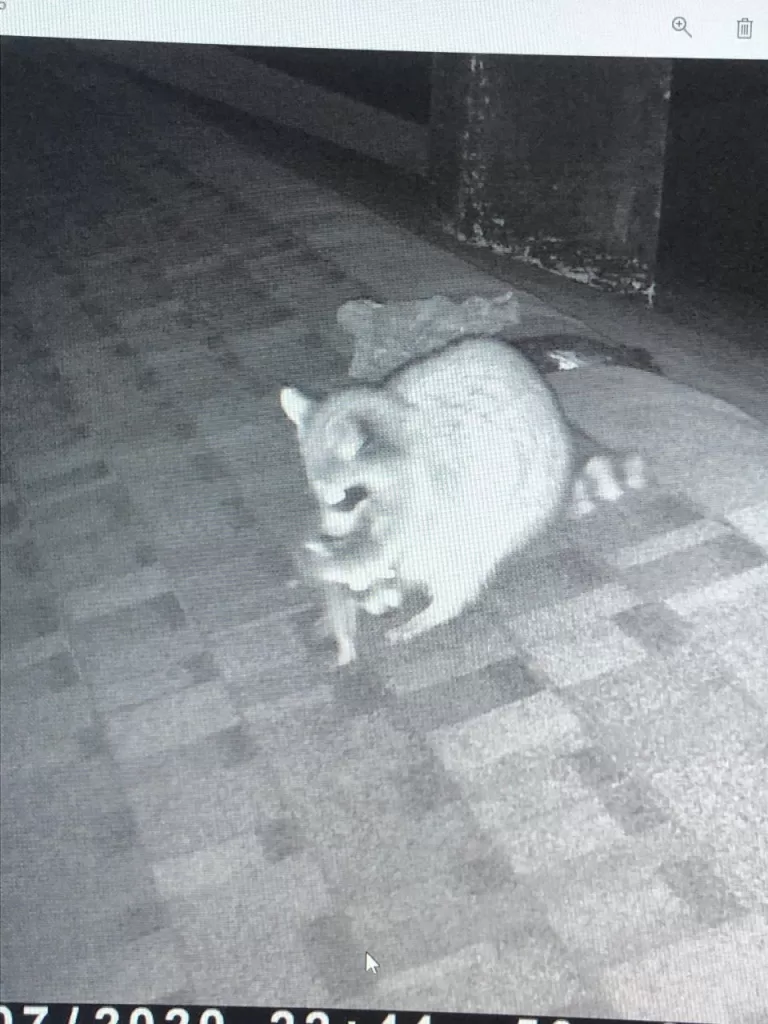
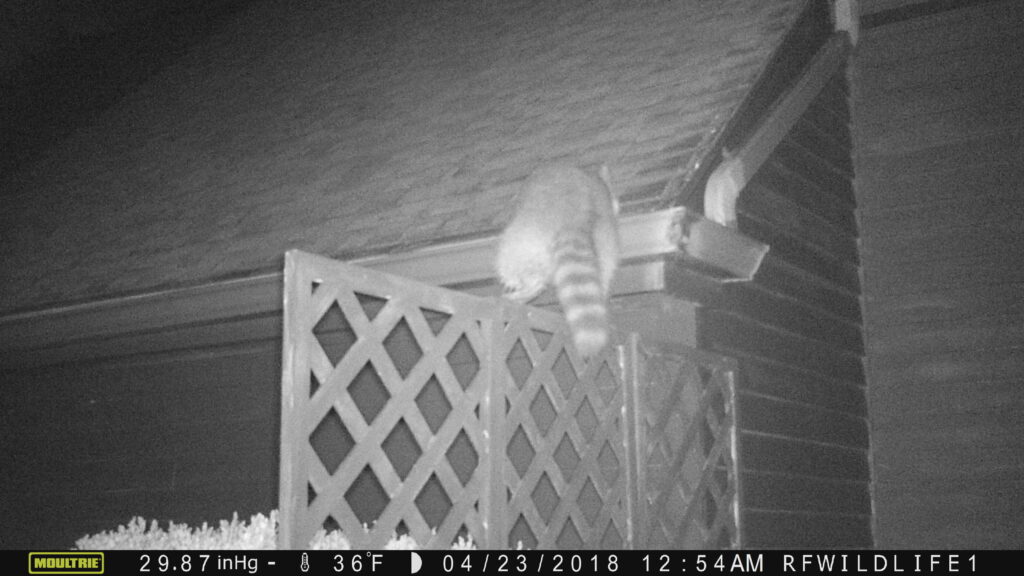
Raccoons are the most destructive attic intruders in the Middlesex and New London County area. Weighing 10–20 lbs, their movement sounds like a human walking or heavy thumping across your ceiling. They are attracted to attics because they offer a warm, predator-free environment for nesting—especially during the Spring “Kit” (baby) season.

The Signs & Risks:

  • Noises: Heavy walking, scratching, and vocalizations like chattering or “chuffing.”
  • Structural Damage: Raccoons will rip apart soffits, pull up shingles, and tear through heavy-duty attic insulation.
  • Fire Hazard: Like squirrels, they frequently chew through electrical wiring once inside.
  • Health Hazards: Raccoons often create “latrines” (dedicated waste areas), contaminating your insulation with hazardous droppings.

The RF Wildlife Approach:
Because raccoons are a Rabies Vector Species (RVS) in CT, removal must be handled by a licensed professional. We specialize in humane trapping and permanent exclusion, sealing every entry point so they can’t return. Our unmarked trucks ensure your “raccoon drama” stays private from the neighbors.

Squirrels: Daytime Scramblers vs. Nighttime Gliders

Squirrels are the most frequent attic intruders in towns like Madison, Waterford, and Old Saybrook. In Connecticut, we deal with two distinct types, and knowing which one you have changes the removal strategy.

Gray Squirrels (Daytime Activity)

If you hear rapid scratching, running, or nut-rolling sounds at dawn and dusk, you likely have Gray Squirrels. They enter through tiny gaps in your fascia, soffits, or ridge vents.

  • The Risk: They are obsessive chewers. They will gnaw on wooden support beams and electrical wiring, creating a significant fire hazard.
  • The Sign: You’ll often see them jumping onto your roof from nearby trees during the day.

Flying Squirrels (Nighttime Activity)

If the noise happens at 2 AM, it’s almost certainly Flying Squirrels. Unlike Gray Squirrels, “Flyers” are strictly nocturnal and highly social—if you hear one, you likely have a colony of 10 to 20.

  • The Sound: Soft scurrying, “social chirping,” and thuds from landing after gliding.
  • The Risk: Because they live in large groups, they can quickly saturate attic insulation with waste, requiring professional attic restoration and decontamination.

The RF Wildlife Solution:
We don’t just “trap” squirrels. We identify every entry point—some as small as a quarter—and use One-Way Doors and permanent exclusion to get them out and keep them out. Our NWCOA-certified exclusion techniques ensure your home is sealed tight for the long term.


Flying Squirrels: The 2 AM “Social” Intruders

Flying squirrels are strictly nocturnal and are the most common cause of middle-of-the-night scurrying in Middlesex and New London County attics. Unlike their daytime cousins, “Flyers” don’t just move in pairs—they are highly social colony animals. If you hear noise in your attic at 2 AM, you aren’t dealing with one squirrel; you’re likely hosting a colony of 10 to 30 individuals.

The Signs & Sounds:

  • The Noise: Fast, light scurrying, “thumping” from landing after a glide, and distinct high-pitched social chirping or squeaking.
  • The Entry: They can squeeze through a hole the size of a quarter. They often enter through ridge vents, gable vents, or gaps in the construction “gap” where the roof meets the siding.
  • The Risk: Because they live in large groups, they quickly create “latrines” (toilet areas) that saturate your attic insulation with urine and droppings, leading to odors and health risks.

The RF Wildlife “Permanent Fix”:
Trapping flying squirrels is a temporary band-aid. At RF Wildlife, we use a Total Exclusion Strategy. We identify every tiny entry point on your home and install professional-grade one-way doors. This allows the entire colony to exit safely but prevents them from ever getting back in. Our NWCOA-certified exclusion is the only way to solve a flying squirrel problem for good.


Bats: The “Wall Scratchers” of Connecticut

In the Middlesex and New London County area, the Big Brown Bat is the most frequent attic intruder. Unlike squirrels, bats don’t chew; instead, they use existing gaps as small as 3/8 of an inch to enter your home. They are attracted to the heat trapped in your attic, which provides the perfect environment for a maternity colony to raise their young.

The Signs & Sounds:

  • The Noise: Light scratching or “fluttering” sounds, often coming from inside wall voids or near the eaves at dusk and dawn. You may also hear faint, high-pitched “ticking” or squeaking as they wake up.
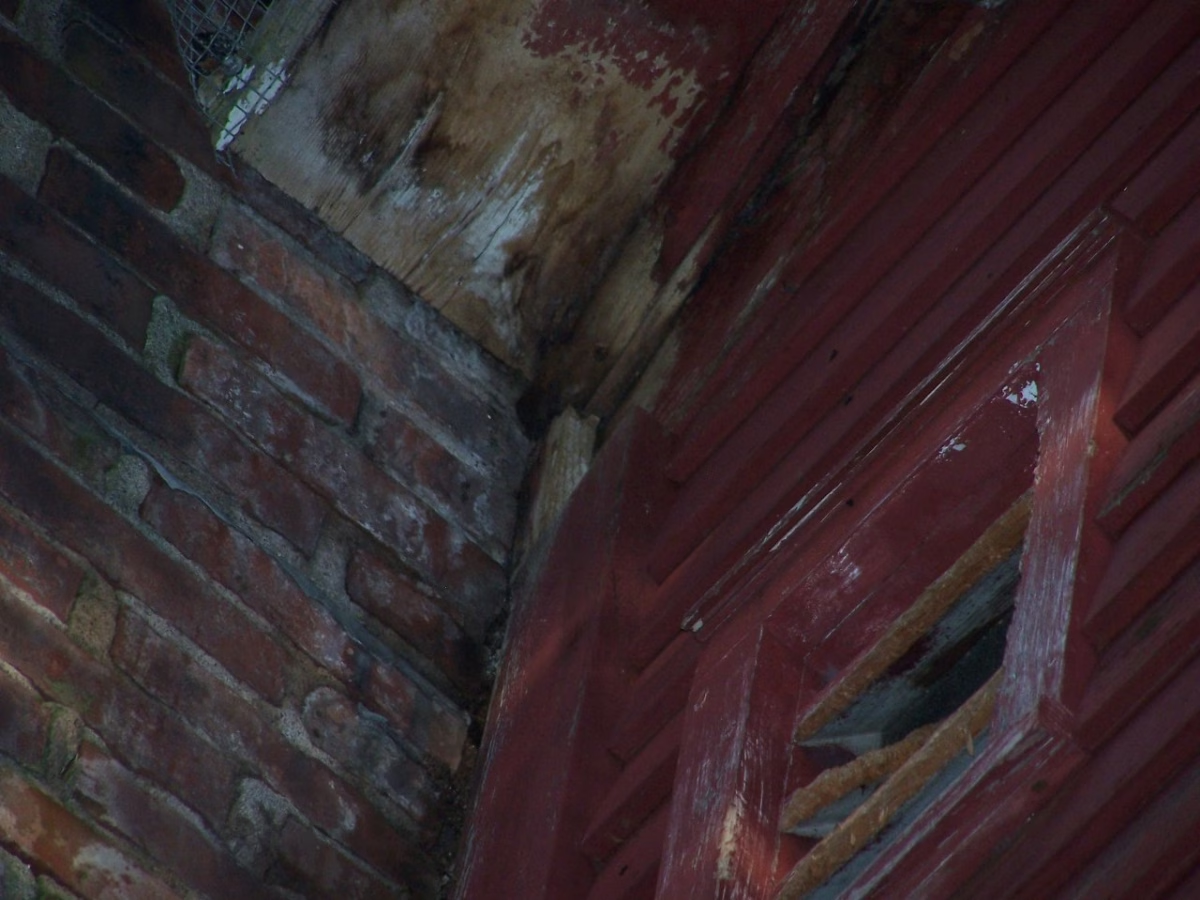
  • The Entry: Look for dark, oily “rub marks” or staining around gable vents, trim boards, or chimney flashing.
  • The Risk: Bat droppings (guano) accumulate quickly. Over time, this can lead to the growth of Histoplasma capsulatum, a fungus that can cause respiratory issues (Histoplasmosis) in humans.

The RF Wildlife Bat Strategy:
Bats are environmentally protected in Connecticut, and removal is strictly regulated. At RF Wildlife, we are specialists in Humane Bat Exclusion. We install professional-grade “bat valves” or one-way curtains that allow the bats to exit safely at night but prevent them from re-entering. Once the colony is out, we provide full Attic Restoration, including the safe removal of contaminated insulation and the sealing of all secondary gaps.

Mice: The “Rapid Scamperers” of CT Attics

In the Middlesex and New London County areas, the most common attic invaders are White-Footed Mice and Deer Mice. These are highly athletic climbers that can enter through a hole the size of a dime. When the Connecticut ground freezes in late fall, these mice swarm into attics and basements seeking warmth and nesting material.

The Signs & Risks:

  • The Noise: Rapid, high-pitched scurrying or “patter” sounds across your ceiling. Unlike squirrels, mice are active in short bursts throughout the night.
  • The Health Risk: White-footed mice are the primary reservoir for Lyme Disease (carrying the ticks into your home) and can spread Hantavirus through their droppings and urine.
  • The Damage: Mice are obsessive gnawers. They will chew through electrical wire insulation, plastic PVC pipes, and expensive attic storage boxes.

The RF Wildlife “Winter Maintenance” Approach:
While most big-brand pest control companies just throw poison bait stations in your attic (which leads to mice dying and smelling inside your walls), RF Wildlife offers a cleaner, professional alternative.

We provide specialized winter mouse trapping and removal for homeowners who want the problem solved without the use of toxic baits. We combine high-volume trapping with Professional Exclusion, identifying every dime-sized gap in your foundation and roofline to seal them out for good. Whether it’s a one-time cleanout or a seasonal maintenance plan, we ensure your home stays mouse-free all winter long.

Conclusion: Don’t Ignore the Scratching in Your Ceiling

If you are hearing scratching or thumping noises in your Connecticut attic at night, the time to act is now. Ignoring the problem can lead to expensive structural damage, fire hazards from chewed wiring, and serious health risks from accumulated animal waste in your insulation.

While general pest control companies often rely on temporary fixes like poisons, RF Wildlife provides a permanent solution through Humane Removal and Professional Exclusion. We don’t just remove the intruder; we identify every structural gap and seal your home to prevent future infestations for good.

How to Protect Your Home Today:

  • Trim Tree Branches: Keep branches at least 6–10 feet away from your roofline to eliminate easy “bridges” for squirrels and raccoons.
  • Inspect Your Exterior: Look for gaps in vents, chimneys, and soffits—but never seal these spots if you suspect animals are currently inside. Sealing an animal in can lead to them chewing through your ceiling to escape or dying inside your walls, causing severe odors.
  • Professional Inspection: A trained eye can spot a dime-sized mouse entry or a bat “rub mark” that a homeowner might miss.

Restore Your Peace of Mind

Don’t let attic intruders damage your home or keep you awake another night. Whether you’re in Old Saybrook, Madison, Waterford, or anywhere in Middlesex or New London County, RF Wildlife is here to help 24/7 with discreet, veteran-owned service and unmarked trucks.

Contact RF Wildlife at (860) 510-6313 for a professional attic inspection and humane removal today.
Professional Animal Trapping Service In Connecticut📢🦝🌿

Are you facing unwanted wildlife visitors on your property? Look no further! RF Wildlife is here to provide you with expert animal trapping services in Connecticut, ensuring a humane and efficient solution to your wildlife intrusion problems.

🐾 Our Expertise in Animal Trapping: At RF Wildlife, our team of skilled professionals is well-equipped to handle a variety of wildlife species that may be causing disturbances on your property. Our comprehensive trapping services cover:

  1. Skunk Trapping: Dealing with skunks can be a smelly situation. Let our experts safely and efficiently remove skunks from your premises.
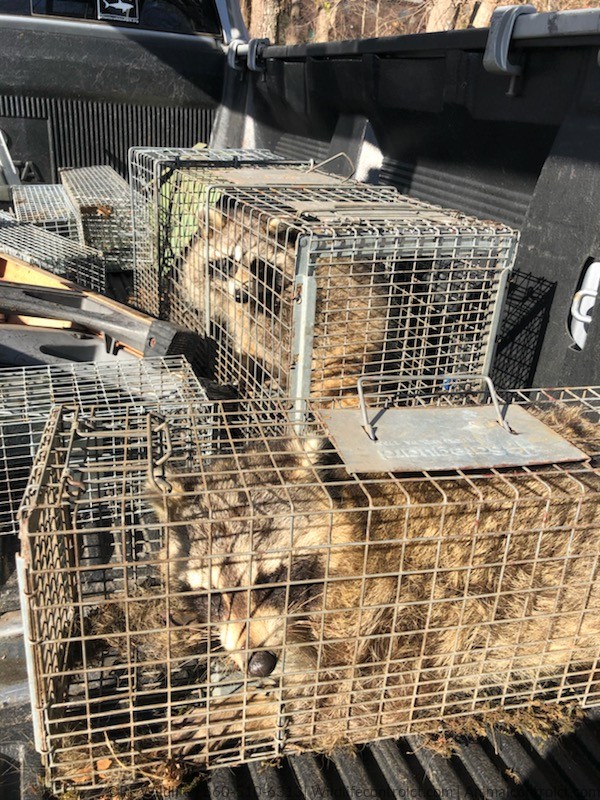
  2. Raccoon Trapping: Raccoons can be both cunning and destructive. Trust RF Wildlife to safely trap and relocate these intelligent creatures, ensuring the safety of your property.
  3. Mole Trapping: Moles may be small, but their presence can lead to extensive damage to your lawn. Our mole trapping services are designed to swiftly address this issue.
  4. Squirrel Trapping: Squirrels are notorious for finding their way into attics and causing damage. Our professionals employ humane trapping methods to safely remove squirrels from your property.
  5. Flying Squirrel Trapping: These nocturnal creatures can become a nuisance. RF Wildlife utilizes specialized techniques to capture flying squirrels quickly.
  6. Opossum Trapping: Opossums are known for their nocturnal habits. If you have unwanted opossum visitors, we can safely trap and relocate them, ensuring a harmonious coexistence.
  7. Woodchuck Trapping: Woodchucks can dig extensive burrows, causing structural damage. Our experts are skilled in trapping and removing woodchucks efficiently.

🛑 Why Choose RF Wildlife?

  • Humane Practices: We prioritize the safety and well-being of wildlife and customers, using humane trapping methods.
  • Experienced Team: Our team comprises experienced professionals with decades of experience and a deep understanding of Connecticut’s wildlife.
  • Prompt and Reliable Service: We understand the urgency of wildlife issues and strive to provide prompt and reliable solutions.
  • Customized Solutions: Each trapping situation is unique, and we tailor our approach to meet your specific needs.

📞 Contact RF Wildlife Today! Don’t let unwanted wildlife disrupt your peace. Contact RF Wildlife for professional animal trapping services in Connecticut. Call us at 860-510-6313 to schedule a consultation or visit our websites at animalcontrolct.com, wildlifecontrolct.com, moleexterminators.com, Raccoonremovalct.com for more information.

Let RF Wildlife be your trusted partner in resolving wildlife-related challenges with expertise, compassion, and efficiency! 🌳🐾

Raccoon Eviction in Middlesex County CT: Expert Wildlife Control

Discover the importance of raccoon eviction in Middlesex County, CT, and how our expert wildlife control services can help you safely and effectively get rid of raccoons. Learn about our humane eviction process, preventative measures, and property repairs to protect your home and family while respecting local wildlife.

Safeguard Your Home with Expert Raccoon Control Services

Raccoon eviction is a common concern for homeowners in Middlesex County, CT, where these curious creatures often find their way into residential areas. From Chester to Cromwell, East Haddam to Durham, and everywhere in between, raccoons can become a nuisance that requires professional intervention. In this blog post, we’ll explore the importance of raccoon eviction and share how our wildlife control services can help you get rid of raccoons safely and effectively.

The Need for Raccoon Eviction in Middlesex County, CT:

Middlesex County, Connecticut, is home to many charming towns, such as Chester, Clinton, Cromwell, Deep River, Durham, East Haddam, East Hampton, Essex, Haddam, Killingworth, Middlefield, Middletown, Old Saybrook, Portland, and Westbrook. The picturesque landscape of this region provides an ideal habitat for raccoons, making raccoon eviction an essential service for local homeowners.

Raccoons are known for their intelligence and resourcefulness, which can lead to property damage, health risks, and other issues if they find their way into your home. To prevent these problems and protect your property, it’s crucial to take raccoon eviction seriously and enlist the help of professional wildlife control services to get rid of raccoons.

Our Raccoon Eviction Process:

At RF Wildlife Control Services, we specialize in humane raccoon eviction for residents of Middlesex County, CT. Our expert team follows a comprehensive process to ensure a safe and effective outcome:

  1. Inspection: We conduct a thorough inspection of your property to identify raccoon entry points, nesting areas, and potential damage.
  2. Eviction: Using humane raccoon eviction methods, we encourage raccoons to leave your property without causing harm. Our techniques include sound deterrents, scent repellents, and harassment or hazing strategies to gently coax the animals out of your home or other structures.
  3. Exclusion: After successfully evicting the raccoons, we seal all entry points and implement preventative measures to ensure they don’t return.
  4. Cleanup and Repair: Our team cleans up any mess left behind by the raccoons, including droppings and debris, and repairs any damage caused to your property.

Choose RF Wildlife Control Services for Raccoon Eviction in Middlesex County, CT:

If you need to get rid of raccoons in Middlesex County, CT, trust RF Wildlife Control Services for expert raccoon eviction and wildlife control. Our team is dedicated to providing safe, humane, and effective solutions to protect your property and family while respecting local wildlife.

Don’t let raccoons wreak havoc on your Middlesex County home. Contact us today to schedule an inspection and take the first step toward a raccoon-free living space.

Wildlife Impact On Home’s Value: What You Should Know

Did you know that wildlife can have a significant impact on your home’s value? From property damage to health and safety concerns, wildlife can cause a variety of problems that can lower your home’s value and make it less attractive to potential buyers. In this article, we’ll explore the ways in which wildlife can affect your home’s value, and provide you with some tips on how to manage wildlife on your property to maintain or increase your home’s value. By working with a professional wildlife control company, keeping your property clean, making modifications to your property, and following local regulations, you can ensure that your home remains an attractive and valuable investment.

As a homeowner, you may be aware of the impact that certain features, such as a renovated kitchen or updated bathroom, can have on your home’s value. However, did you know that wildlife can also have an impact on your home’s value? In this article, we’ll explore the ways in which wildlife can affect your home’s value, and provide you with some tips on how to manage wildlife on your property to maintain or increase your home’s value.

Bat damage, squirrel damage, and raccoon damage
Home damaged from bats, squirrels and raccoons

The Impact of Wildlife on Your Home’s Value:

  1. Property Damage: One of the most significant ways that wildlife can impact your home’s value is through property damage. Wildlife, such as raccoons, squirrels, and birds, can cause damage to your home’s exterior, including siding, roofing, and gutters. They may also damage your home’s interior by chewing on wires or nesting in your attic or crawl space. Property damage caused by wildlife can be costly to repair and may decrease your home’s value.
  2. Health and Safety Concerns: Wildlife can also pose health and safety concerns for homeowners. Some species, such as bats and rodents, may carry diseases that can be transmitted to humans. Additionally, certain wildlife, such as skunks or raccoons, may become aggressive if they feel threatened, putting homeowners and their pets at risk. These health and safety concerns can lower your home’s value and make it less attractive to potential buyers.
  3. Aesthetics: Wildlife can also impact your home’s value by affecting its aesthetics. For example, a property that is overrun with skunks, raccoons, or other wildlife may look unkempt or unattractive, lowering its curb appeal. This can be a turn-off for potential buyers, and may cause them to overlook your property in favor of a home that appears to be well-maintained and free of wildlife.

Managing Wildlife on Your Property:

While wildlife can have a negative impact on your home’s value, there are steps you can take to manage wildlife on your property and maintain or increase your home’s value. Here are a few tips:

  1. Work with a Professional: If you’re experiencing issues with wildlife on your property, it’s best to work with a professional wildlife control company. These professionals have the expertise and equipment needed to safely and effectively remove wildlife from your property, as well as to prevent them from returning.
  2. Keep Your Property Clean: Keeping your property clean and free of food and water sources can also help to prevent wildlife from taking up residence on your property. This may involve storing garbage and compost bins securely, keeping bird feeders clean, and removing any fallen fruit from trees.
  3. Make Modifications to Your Property: Making modifications to your property can also help to prevent wildlife from causing damage. For example, installing chimney caps and vent screens can prevent wildlife from entering your home, while trimming back trees and shrubs can make your property less attractive to wildlife.
  4. Follow Local Regulations: Finally, it’s important to follow local regulations regarding wildlife control. In Connecticut, for example, it’s illegal to relocate wildlife without a permit from the state’s Department of Energy and Environmental Protection (DEEP). Additionally, some species may be protected under state or federal law, and it’s important to be aware of these regulations when dealing with wildlife.

In conclusion, wildlife can have a significant impact on your home’s value, but there are steps you can take to manage wildlife on your property and maintain or increase your home’s value. By working with RF Wildlife a professional wildlife control company, keeping your property clean, making modifications to your property, and following local regulations, you can ensure that your home remains an attractive and valuable investment.

Madison CT Raccoon Removal: How to Get Rid of Raccoons.

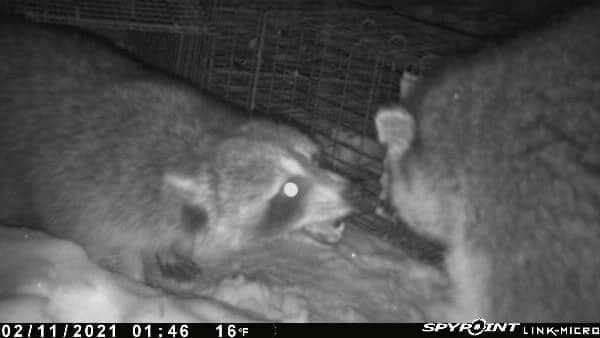
Raccoon fight Raccoons were living under a porch in Madison CT

Raccoon Removal Service in Madison CT and Surounding towns 860-510-6313

Raccoons may look cute and cuddly, but they can be a nuisance when they invade your property. These pesky critters can cause damage to your home, spread diseases, and even attack your pets. If you’re dealing with a raccoon infestation in Madison, CT, it’s important to get rid of them as soon as possible. In this article, we’ll discuss how to safely and effectively remove raccoons from your property using professional raccoon removal services.

Madison, CT is a beautiful town located on the shoreline of Long Island Sound. While the town’s natural beauty is a major attraction for residents and visitors alike, it can also attract unwanted visitors, such as raccoons. These critters can wreak havoc on your property and cause significant damage, making raccoon removal services essential for Madison homeowners.

If you’re dealing with a raccoon infestation in your home or business, it’s crucial to contact a professional raccoon removal service provider as soon as possible. Here’s what you need to know about raccoon removal in Madison, CT:

The Risks of Raccoon Infestations

Raccoons are notorious for causing significant damage to homes and businesses. They can chew through wiring and insulation, damage HVAC systems, and create a mess by tearing up insulation and drywall. Raccoons are also known carriers of several diseases, such as rabies, and can pose a significant risk to humans and pets.

Raccoon living in a CT Attic

Professional Raccoon Removal Service

Professional raccoon removal services in Madison, CT, can provide a safe and humane solution to your raccoon infestation problem. These service providers use humane and safe methods to remove raccoons from your property, including live trapping and relocation.

When you choose a professional raccoon removal service provider, you can be assured that they have the necessary licenses, insurance, and experience to handle the job effectively. Additionally, they can provide advice and solutions to prevent future infestations.

Choosing a Professional Raccoon Removal Service

Choosing the right raccoon removal service provider in Madison, CT, can be overwhelming. However, there are a few key factors to consider that can help you narrow down your options:

  • Experience: RF Wildlife has extensive experience in raccoon removal and prevention.
  • Licensing: We are licensed and insured in the state of Connecticut to handle wildlife removal in Madison CT.
  • Customer Service: RF Wildlife is prompt, professional, and responsive to your inquiries and concerns.

Raccoon Removal Madison CT

Raccoon removal services in Madison, CT, are essential for protecting your home or business from these pesky critters. Professional raccoon removal services can provide a humane and effective solution to your infestation problem, while also offering advice on how to prevent future infestations. When choosing a professional raccoon removal service, consider their experience, licensing, customer reviews, and customer service. With the right provider, you can be assured that your raccoon problem will be resolved quickly and effectively.

How to get rid of Raccoons

If you’re dealing with a raccoon infestation, it’s crucial to know how to get rid of them effectively. There are several methods to remove raccoons from your property, including live trapping, exclusion, and deterrents. Live trapping involves capturing raccoons using traps. Relocating Raccoons is illegal in Connecticut. Exclusion involves sealing off any entry points on your property to prevent raccoons from entering. Deterrents, such as motion-activated lights and sprinkler systems, can help keep raccoons away from your property. It’s important to hire a professional raccoon removal service to ensure the safety of both your nieghbors.

Madison CT Raccoon Trapper

RF Wildlife is a professional raccoon removal service provider in Madison, CT. They offer humane and effective solutions for removing raccoons from residential and commercial properties.

RF Wildlife is licensed by the Connecticut Department of Energy and Environmental Protection (DEEP) to handle wildlife removal in the state. They use safe and non-toxic methods to remove raccoons, including live trapping and exclusion.

Their team of experienced technicians will inspect your property to identify any entry points used by raccoons and seal them to prevent future infestations.

RF Wildlife has received many positive reviews from satisfied customers for their prompt, professional, and effective raccoon removal services.

Our Services:

Raccoon Removal

Raccoon Trapping

Raccoon Relocation

Raccoon Extermination

Raccoon Control

Raccoon Prevention

CALL RF WILDLIFE NOW