
Wildlife Impact On Home’s Value: What You Should Know

Did you know that wildlife can have a significant impact on your home’s value? From property damage to health and safety concerns, wildlife can cause a variety of problems that can lower your home’s value and make it less attractive to potential buyers. In this article, we’ll explore the ways in which wildlife can affect your home’s value, and provide you with some tips on how to manage wildlife on your property to maintain or increase your home’s value. By working with a professional wildlife control company, keeping your property clean, making modifications to your property, and following local regulations, you can ensure that your home remains an attractive and valuable investment.

As a homeowner, you may be aware of the impact that certain features, such as a renovated kitchen or updated bathroom, can have on your home’s value. However, did you know that wildlife can also have an impact on your home’s value? In this article, we’ll explore the ways in which wildlife can affect your home’s value, and provide you with some tips on how to manage wildlife on your property to maintain or increase your home’s value.

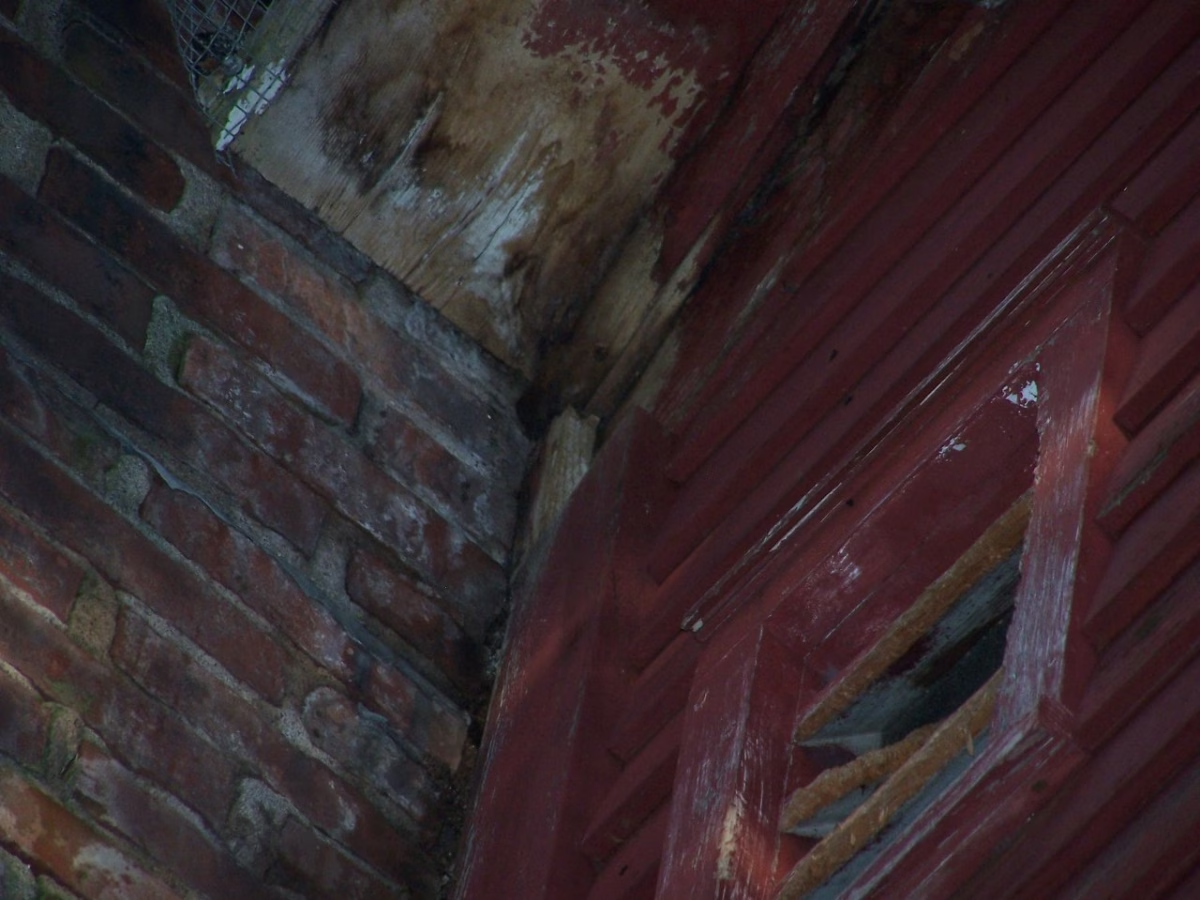
Bat damage, squirrel damage, and raccoon damage
Home damaged from bats, squirrels and raccoons

The Impact of Wildlife on Your Home’s Value:

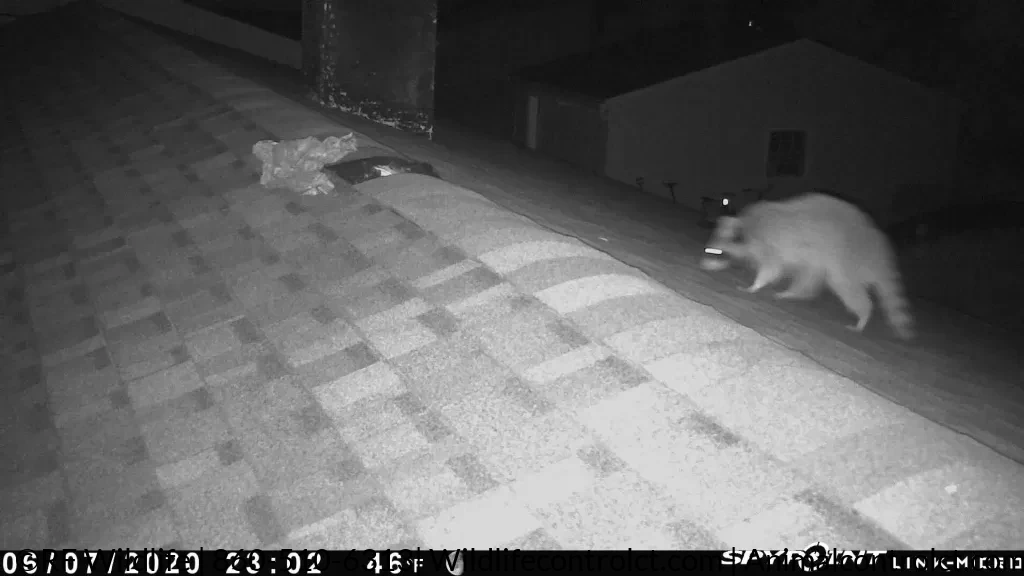
  1. Property Damage: One of the most significant ways that wildlife can impact your home’s value is through property damage. Wildlife, such as raccoons, squirrels, and birds, can cause damage to your home’s exterior, including siding, roofing, and gutters. They may also damage your home’s interior by chewing on wires or nesting in your attic or crawl space. Property damage caused by wildlife can be costly to repair and may decrease your home’s value.
  2. Health and Safety Concerns: Wildlife can also pose health and safety concerns for homeowners. Some species, such as bats and rodents, may carry diseases that can be transmitted to humans. Additionally, certain wildlife, such as skunks or raccoons, may become aggressive if they feel threatened, putting homeowners and their pets at risk. These health and safety concerns can lower your home’s value and make it less attractive to potential buyers.
  3. Aesthetics: Wildlife can also impact your home’s value by affecting its aesthetics. For example, a property that is overrun with skunks, raccoons, or other wildlife may look unkempt or unattractive, lowering its curb appeal. This can be a turn-off for potential buyers, and may cause them to overlook your property in favor of a home that appears to be well-maintained and free of wildlife.

Managing Wildlife on Your Property:

While wildlife can have a negative impact on your home’s value, there are steps you can take to manage wildlife on your property and maintain or increase your home’s value. Here are a few tips:

  1. Work with a Professional: If you’re experiencing issues with wildlife on your property, it’s best to work with a professional wildlife control company. These professionals have the expertise and equipment needed to safely and effectively remove wildlife from your property, as well as to prevent them from returning.
  2. Keep Your Property Clean: Keeping your property clean and free of food and water sources can also help to prevent wildlife from taking up residence on your property. This may involve storing garbage and compost bins securely, keeping bird feeders clean, and removing any fallen fruit from trees.
  3. Make Modifications to Your Property: Making modifications to your property can also help to prevent wildlife from causing damage. For example, installing chimney caps and vent screens can prevent wildlife from entering your home, while trimming back trees and shrubs can make your property less attractive to wildlife.
  4. Follow Local Regulations: Finally, it’s important to follow local regulations regarding wildlife control. In Connecticut, for example, it’s illegal to relocate wildlife without a permit from the state’s Department of Energy and Environmental Protection (DEEP). Additionally, some species may be protected under state or federal law, and it’s important to be aware of these regulations when dealing with wildlife.

In conclusion, wildlife can have a significant impact on your home’s value, but there are steps you can take to manage wildlife on your property and maintain or increase your home’s value. By working with RF Wildlife a professional wildlife control company, keeping your property clean, making modifications to your property, and following local regulations, you can ensure that your home remains an attractive and valuable investment.
5 Common Myths About Wildlife Control Debunked

As Connecticut homeowners, we all want to ensure the safety and security of our families and property. This often involves dealing with wildlife that may be invading our homes or property. However, there are many misconceptions and myths surrounding wildlife control, which can lead to ineffective or even harmful methods of dealing with wildlife. In this article, we’ll be debunking five common myths about wildlife control, and providing you with the facts you need to make informed decisions.

Myth #1: You can trap and relocate wildlife anywhere you want.

One of the most common myths about wildlife control is that you can simply trap and relocate wildlife anywhere you want. While it may seem like a humane and easy solution, it’s actually illegal in many cases. Connecticut has strict laws and regulations regrding relocation of wildlife, it is illegal to trap and relocate rabies vector species RVS such as raccoons, skunks, and fox.

For example, in Connecticut, Department of Energy and Environmental Protection (DEEP) frowns on relocating all wildlife. This is because relocating wildlife can cause a number of problems. For one, the relocated animals may not survive in their new environment, as they may not be able to find food, water, or shelter. Additionally, they may spread disease to other animals in the area or become a nuisance to nearby residents. Mother nature keeps a balance and relocating new animals into an area puts undue pressure on the wildlife naturally in that area.

Instead of trapping and relocating wildlife, it’s sometimes more effective to use exclusion methods to prevent them from entering your home or property in the first place. This may involve sealing up any gaps or holes in your home’s foundation, installing chimney caps and vent screens, and keeping your property clean and free of food and water sources that may attract wildlife.

Myth #2: Poison is an effective way to deal with wildlife.

Another common myth about wildlife control is that poison is an effective way to deal with unwanted wildlife. However, this couldn’t be further from the truth. Not only is using poison illegal in many cases, it’s also dangerous to both the animals you’re trying to control and to other animals and humans who may come into contact with the poison.

Poisoning wildlife can also lead to secondary poisoning, where other animals that eat the poisoned animal may also become sick or die. Additionally, using poison can lead to a buildup of resistance among wildlife populations, making it even more difficult to control them in the future.

Instead of using poison, it’s best to use humane and effective methods of wildlife control. This may include using exclusion methods to prevent wildlife from entering your home or property, using live traps to capture wildlife, or using repellents to deter wildlife from your property.

Myth #3: Repellents and scare tactics are always effective.

Many homeowners turn to repellents and scare tactics as a way to keep wildlife away from their property. While some repellents and scare tactics can be effective, they’re not always the best solution. In fact, many wildlife species can become accustomed to these methods over time, rendering them ineffective.

For example, using bright lights or loud noises to scare off wildlife may work initially, but the animals will quickly become used to the tactic and continue to return to your property. Similarly, using repellents like mothballs or ammonia may work for a short period of time, but they may also pose a health risk to both wildlife and humans.

Instead of relying solely on repellents and scare tactics, it’s important to use a combination of methods to effectively control wildlife. This may include using exclusion methods to prevent wildlife from entering your property, using live traps to capture wildlife, and modifying your property to make it less attractive to wildlife. This may involve removing food and water sources, trimming back trees and shrubs, and keeping garbage and compost bins tightly sealed.

Myth #4: You don’t need professional help for wildlife control.

Many homeowners believe that they can handle wildlife control on their own, without the help of a professional. While it’s true that there are some DIY methods of wildlife control that can be effective, it’s often best to seek the help of a professional wildlife control company.

Professional wildlife control companies have the knowledge and expertise needed to effectively and humanely deal with wildlife. They can also help you navigate any regulations or laws regarding wildlife control in your area, and can provide you with long-term solutions to prevent future wildlife problems.

Additionally, attempting to handle wildlife control on your own can be dangerous. Many wildlife species can be aggressive or carry diseases, which can put you and your family at risk. By working with a professional wildlife control company, you can ensure that the problem is handled safely and effectively.

Myth #5: Wildlife will always find their way back into your home or property.

Finally, many homeowners believe that once they’ve had a wildlife problem, the animals will always find their way back into their home or property. While it’s true that some wildlife species may be persistent, especially bats and flying squirrels it’s possible to prevent them from returning by making modifications to your property.

For example, if you’ve had a problem with raccoons entering your attic, you can install mesh screens over your vents to prevent them from getting in. Similarly, if you’ve had a problem with skunks digging up your lawn, you can install a barrier around the perimeter of your property to prevent them from entering.

Additionally, keeping your property clean and free of food and water sources can also help to prevent future wildlife problems. This may involve storing garbage and compost bins securely, keeping bird feeders clean, and removing any fallen fruit from trees.

Wildlife removal Service

In conclusion, it’s important to separate fact from fiction when it comes to wildlife control. By debunking these common myths, we hope to provide homeowners with the information they need to effectively and humanely deal with wildlife. Remember, it’s often best to seek the help of a professional wildlife control service, and to use a combination of methods to prevent future wildlife problems. With the right knowledge and tools, you can ensure the safety and security of your family and property, while also protecting the wildlife in your area.

Skunk breeding season CT

Skunks in Connecticut generally breed in the early spring, typically between February and March, although breeding can occur as early as late January or as late as early April. Skunks are polygamous and males may mate with multiple females during the breeding season.

It’s important to note that skunks can be active year-round in Connecticut, but they tend to be less active during the winter months when temperatures are colder. Additionally, skunks may enter a period of dormancy during the winter, known as torpor, where their metabolic rate slows down and they conserve energy.

If you have concerns about skunks on your property, it’s important to take preventative measures to discourage them from denning or foraging in the area. This may include securing garbage cans, sealing off potential entry points to buildings, and eliminating any food sources that may be attracting the skunks. If you have a skunk infestation or if you’re unsure about how to proceed, it’s best to consult with a professional wildlife removal service.

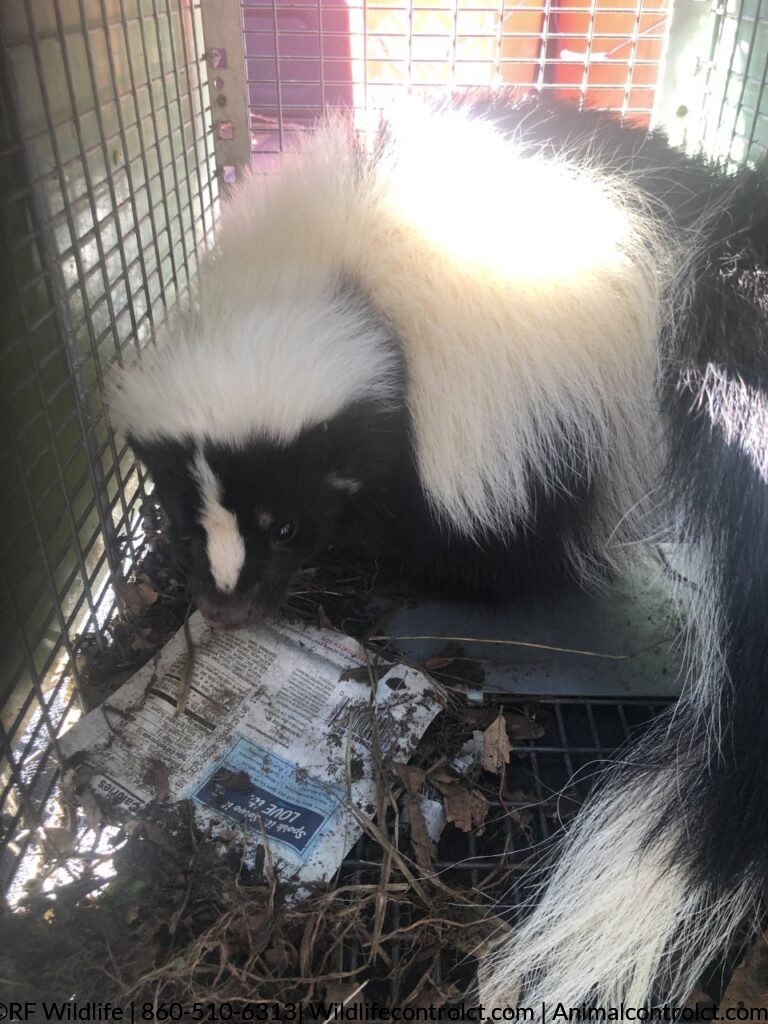
Skunk caught during breeding season

Removing Skunks

If you need to remove skunks from your property in Connecticut after the breeding season has ended, it’s important to take precautions to avoid any conflicts or issues. Here are some steps you can take:

  1. Determine if there are babies present: Skunks may have babies, called kits, in the spring and early summer, so it’s important to determine if there are any babies present before removing the adults. If there are babies, wait until they are old enough to explore outside on their own, which usually happens around 8-10 weeks of age, before attempting to remove the adults.
  2. Use humane removal techniques: To remove the skunks, use humane removal techniques such as live trapping. Make sure to check the traps daily, it is illegal to relocate skunks in CT.
  3. Seal off entry points: Once the skunks have been removed, seal off any potential entry points to prevent them from returning. Use hardware cloth or other sturdy materials to cover any holes or gaps in the foundation, walls, or roof.
  4. Take preventative measures: Take preventative measures to discourage skunks from returning, such as securing garbage cans, eliminating any food sources, and keeping the area well-lit and free of debris.

It’s important to remember that skunks can be dangerous and carry diseases, so if you’re not comfortable handling the situation yourself, it’s best to call a professional wildlife removal service. Additionally, be aware that skunks may spray when threatened, so it’s important to approach them carefully and avoid startling or cornering them.

Call Now