
Animals Trapped Under Decks After Heavy Snow in Connecticut – What to Do
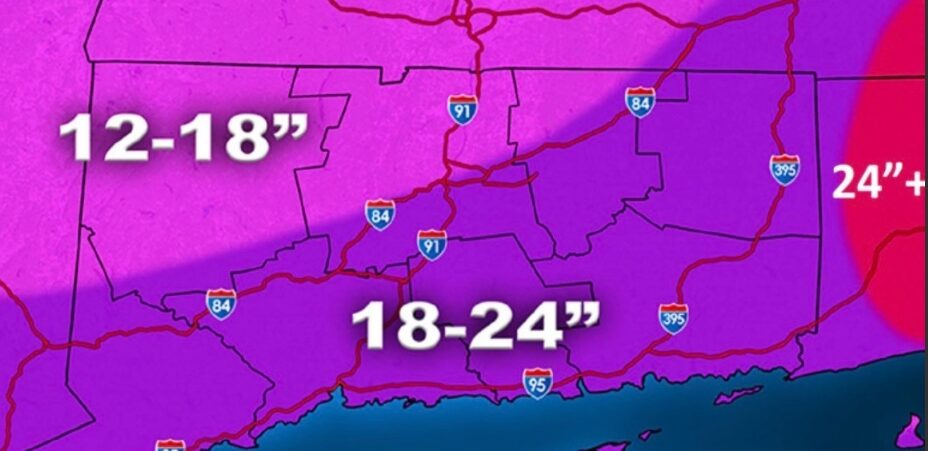
With 18+ inches already on the ground in Old Saybrook and more still falling, a lot of skunks, raccoons, opossums, and other animals are getting trapped under decks and porches right now across Connecticut.
I’ve seen this before. Years ago we had a storm like this and the snow turned into solid ice. Those animals stayed trapped for over a month. I ended up doing mostly dead skunk removals for weeks — the smell was brutal. I don’t want you going through that.
Here’s what’s happening and what you can do about it.
Why This Happens in Connecticut Winters
Decks and porches are perfect winter shelters — dry, protected, and close to the house. When heavy snow hits fast, animals that were already living underneath get sealed in. Then the freeze-thaw cycle turns everything into ice. Once that happens, they can’t dig their way out.
Late February and March is also peak mating season for skunks, so there are more of them moving around right now.
Signs Animals Are Trapped Under Your Deck
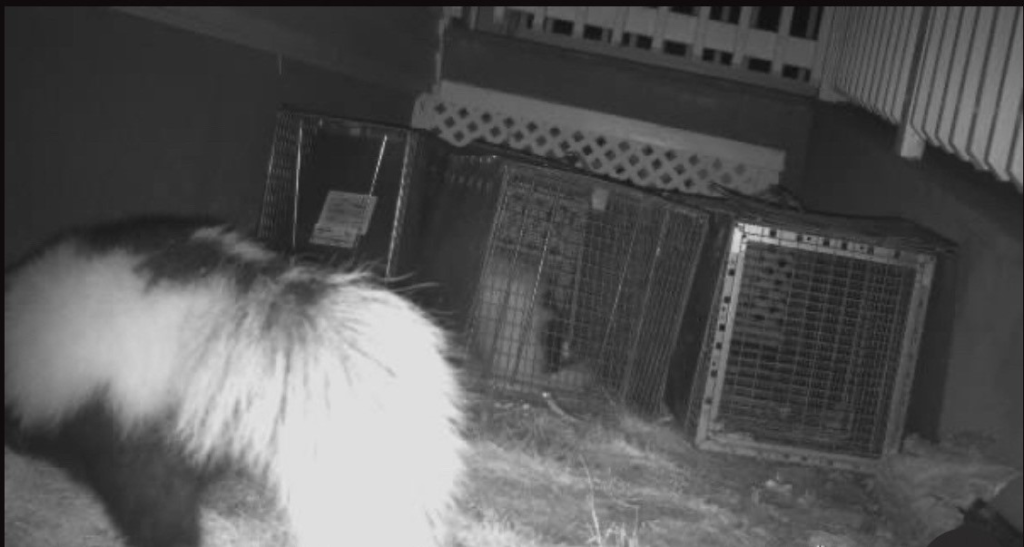
- Tracks in the snow leading under the deck prior to the blizzard
- Strong skunk smell at night (especially when it warms up a little)
- Scratching, thumping, or digging sounds from underneath
- No new tracks leaving the area for several days
What Happens If They Stay Trapped
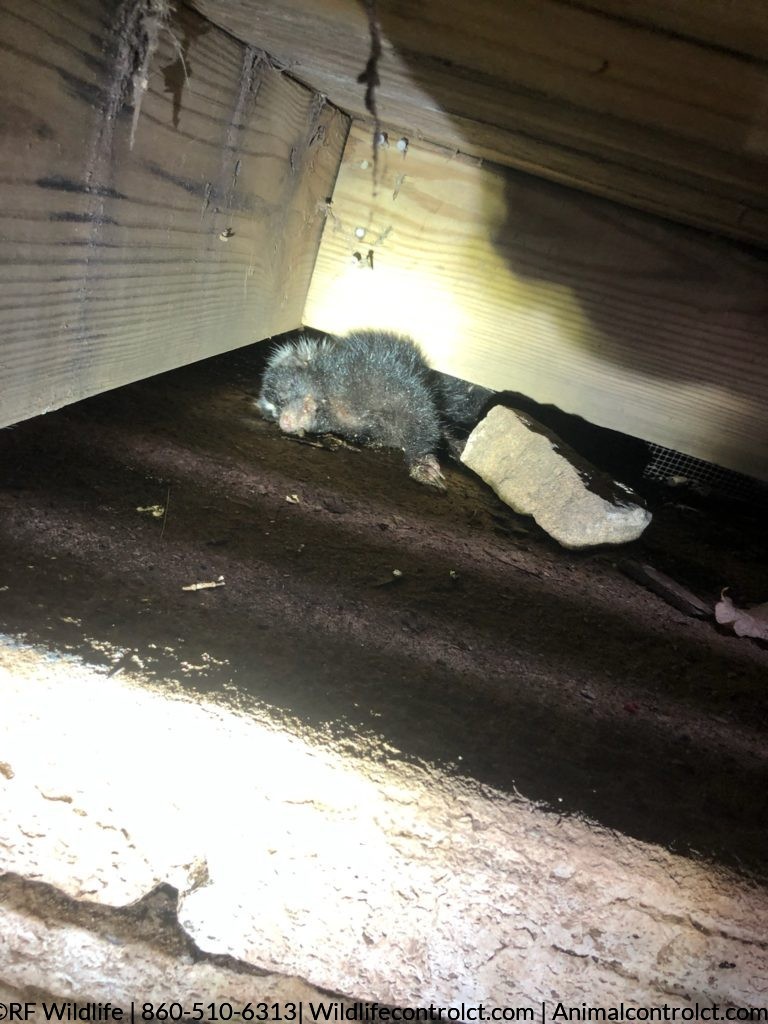
They can survive a few days, but not weeks under ice. When they die, the smell gets into your house for months. You can also end up with disease risks.
Breeding Skunks Trapped Together: Spraying Hell & How to Keep the Stink Out
Late February through March is prime skunk breeding season in Connecticut. Males roam looking for females, and females already denning under decks, sheds, or crawlspaces suddenly have company. When heavy snow hits fast — like this 18+ inch blizzard we’re getting now — the entry hole gets buried or iced over, trapping the pair (or more) inside together.
What happens next is predictable and nasty:
- The male and female fight, chase, and mate — more agitation = more spraying.
- A single skunk spray is bad; two or more trapped together is a nightmare. They’ll hit each other, the walls, the dirt — everything gets coated.
- The smell doesn’t just stay under the deck; it seeps up through floorboards, vents, and cracks into your house. It lingers for weeks or months if they die in there (which happens fast once food/water runs out).
- Babies can be born later, adding even more stink and noise.
Quick tip that actually works inside the house: Boil a pot of apple cider vinegar with a few cinnamon sticks on the stove. Keep it simmering (low heat) — the steam neutralizes skunk odor way better than air fresheners or candles. Open windows if you can, run a fan blowing outward. It won’t fix the source, but it clears the living space fast so you can breathe.
If the smell is already unbearable or you hear fighting/scratching, don’t wait — call a pro. Trapped breeding skunks are messy and dangerous to handle yourself. I’ve pulled a lot of dead ones after storms like this; better to get them out alive and seal the spot right.
RF Wildlife – 860-510-6313 Quick response, humane trapping, right off Rt 9 & I-95.
How to Help Them Get Out Safely (Digging a Way Out)
If you know where they’ve been getting in, you can give them an escape route:
- Carefully dig a sloped trench or ramp from the known entry hole up to the surface.
- Use a board or packed snow to make a simple ramp so they can climb out.
- Leave the hole open for several days so they can exit on their own.
- Do not seal the hole while animals are still inside.
This is the most humane way to handle it when they’re trapped by snow and ice.
When to Call a Professional
Call if:
- The smell is really bad inside the house
- You hear fighting or growling
- You’re not comfortable digging near the foundation
- You want it done right the first time so they don’t come back
Prevention for Next Winter
While the snow is still here, it’s actually easier to see where they are getting in. Bury hardware cloth or dig defense around the bottom of decks and porches now — it stops most problems before they start.
Service Area – Shoreline & Route 9 Corridor (Middlesex / New Haven Counties)
I serve the Connecticut shoreline and towns along Route 9 / I-95 from Old Saybrook northward and eastward. I’m based in Old Saybrook, right at the end of my road off Exit 2 (Rt 9 / I-95 junction), so I can usually respond quickly — often same day or next day — across these areas.
Here are direct links to town-specific wildlife removal pages:
- Branford Wildlife Removal – Bats, Skunks, Raccoons & More
- Guilford Wildlife Removal – Bats, Skunks, Raccoons & More
- Madison Skunk Removal – Humane Trapping & Exclusion
- Wildlife Removal in North Haven, CT: Bats, Skunks, Squirrels, Raccoons & More – AnimalControlCT.com
- Clinton / Westbrook Raccoon & Skunk Removal
- Durham Wildlife Removal – Raccoons, Skunks & More
- Higganum / Haddam Wildlife Removal – Skunks & More
Service Area Summary I cover most of the shoreline from Old Saybrook through Clinton, Westbrook, Madison, Guilford, Branford, and up Route 9 to Durham, Higganum, Haddam, and surrounding towns in Middlesex and New Haven counties. Quick highway access means I can get to you fast — no long drives from inland towns. Humane trapping, exclusion, and cleanup since 2009. Call 860-510-6313.
If you’re dealing with this right now or want to prevent it next year, give me a call. I’ve handled these shoreline situations for 16+ years. RF Wildlife – 860-510-6313 Fast response, humane removal, right off Rt 9 & I-95.
RF Wildlife
