
As February 2026 brings longer days and milder weather to Connecticut, raccoon breeding season is underway—typically starting in late winter (January-March) with males seeking mates. This leads to females giving birth in April-May after a 63-day gestation, often in attics, chimneys, or crawlspaces across Middlesex, New Haven, and Hartford counties. If you’re spotting signs of raccoons now in towns like Old Saybrook or Branford, acting before litters arrive is crucial to avoid bigger issues like noisy kits, damage, and health risks. At RF Wildlife, our veteran-owned (🪂🪖) team specializes in humane raccoon removal in Connecticut—call 860-510-6313 today for a free inspection and prevent a spring surprise.
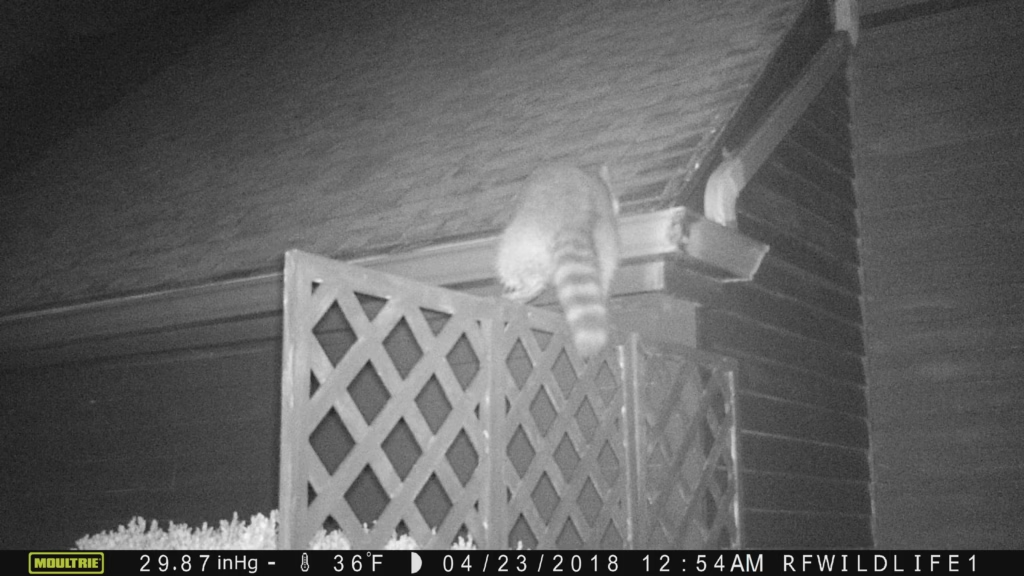
Understanding Raccoon Breeding Season in CT: Why Timing Matters
Raccoons in Connecticut breed from late winter to early spring, with peaks in December-February when males roam widely (often leaving their dens to find receptive females). Unlike true hibernators, they may “den up” during cold snaps but emerge during warm spells, making early intervention key. Females produce one litter per year, averaging 3-5 cubs born in March-April, and family groups stay together for up to a year. In urban-suburban areas like Killingworth or Clinton, this means more invasions into homes for safe nesting spots—attics are favorites due to warmth and protection.
Delaying removal until after birth complicates things: You’ll deal with protective mothers, noisy kits, and legal/ethical hurdles under CT DEEP guidelines (e.g., humane handling required for rabies vectors). Removing before litters form prevents orphaning young and minimizes damage like chewed wires or soiled insulation.
Signs It’s Time for Raccoon Removal in Connecticut Before Birth
Spot these early indicators during breeding season to act fast:
- Nocturnal Noises: Scratching, thumping, or growling in attics/chimneys at night—sounds like footsteps, often from mating pairs scouting dens.
- Entry Damage: Torn vents, ripped shingles, or gaps around roofs—pregnant females squeeze through 4-inch holes to nest.
- Droppings & Tracks: Dark, tubular feces (with seeds/berries) near entries; five-toed paw prints in mud or snow around Old Saybrook homes.
- Increased Sightings: Bold males roaming daytime in Branford suburbs; overturned trash or garden raids signaling food searches for impending litters.
- Musky Odors: Strong urine/feces smells from buildup, especially in crawlspaces during mild CT winters.
If you notice these in your Middlesex County property, don’t wait—early eviction is safer and easier.
Humane Raccoon Removal Methods Before Females Give Birth in CT
At RF Wildlife, we prioritize poison-free, humane approaches as licensed NWCOs—focusing on trapping before kits arrive. Here’s our process for Connecticut homes:
- Inspection: Use FLIR infrared tools to detect nests without disturbance, identifying entries in attics or chimneys.
- Eviction Techniques: If applicable Install one-way doors or apply natural repellents (e.g., eviction paste) to encourage self-removal—effective during breeding when young are just born.
- Trapping if Needed: Bait humane traps for solitary adults, per DEEP rules (within 24 hours)—avoiding harm to potential young.
- Cleanup & Repair: Close off entry seal with heavy mesh chimney cap etc.
- Prevention: Trim overhanging trees, secure vents, and add motion lights to deter future breeding-season visitors in Guilford or Madison.
Our veteran-owned team ensures compliance with CT laws, keeping your family, pets safe.
Prevention Tips to Avoid Raccoon Issues During Breeding Season in CT
Proactive steps now can stop problems before births in April-May:
- Secure garbage and pet food indoors—raccoons raid bins in Branford neighborhoods.
- Seal home entries: Cover chimneys and vents; check crawlspaces during February thaws.
- Yard maintenance: Remove brush piles and trim branches overhanging roofs in Madison.
- Deterrents: Install sprinklers or ammonia-soaked rags near potential dens—non-toxic and effective.
- Monitor for signs: Regular inspections in early spring prevent established nests.
These measures reduce attractants, especially in CT’s mixed urban-rural areas where raccoons thrive.
Call RF Wildlife for Timely Raccoon Removal in Connecticut
Don’t let raccoon breeding season turn into a bigger headache—remove before females give birth for easier, humane solutions. Serving Old Saybrook, Middletown, Branford, and beyond, RF Wildlife offers fast, expert service. Call our veteran-owned pros at 860-510-6313 or contact us online for a free quote. Let’s keep your home critter-free this spring!
