
Don’t wait for squirrels to compromise your home’s safety. Call or text 860-510-6313 for a professional inspection. We serve a 30-mile radius, including Essex, Deep River, Westbrook, and Middletown.
RF Wildlife is Veteran Owned and Operated located in CT

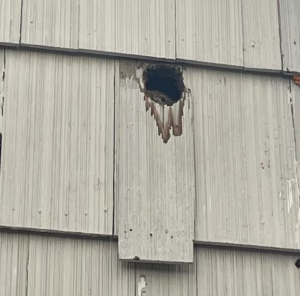
dentifying the Squirrel in Your Connecticut Attic
Connecticut homeowners usually deal with one of three squirrel species. Knowing which one you have is the first step to getting them out and keeping them out for good.
Gray Squirrels (Daytime Chewers) The most common and destructive squirrel in towns like Old Saybrook, Essex, Clinton, and Westbrook. They’re active during daylight and chew large, baseball-sized holes in soffits, fascia boards, and roof returns. If you hear what sounds like a “galloping horse” running across the attic in the morning or afternoon, it’s almost always a gray squirrel.
Red / Pine Squirrels (Feisty Specialists) Smaller and much more aggressive than grays. They show up more often in wooded properties around Madison, Guilford, and inland areas. These little guys are selective hoarders — they pack away pine cones and nuts — but they do focused damage to siding, insulation, and wiring while they prepare for winter.
Flying Squirrels (Nocturnal Colonies) The stealthy nighttime pests common in Westbrook, Clinton, Deep River, and heavily wooded shoreline neighborhoods. They live in large colonies — often 10 to 40 squirrels in one attic. You’ll hear soft thumping or scurrying between 9 PM and 4 AM. They’re only about chipmunk-sized with big dark eyes and can glide up to 150 feet, squeezing through gaps as small as your pinky finger.
Hear scampering, gnawing, or thumping in your attic? Squirrels breed fast in late winter and spring, so the problem grows quickly. Don’t wait for bigger damage or fire risks.
Call or text 860-510-6313 right now for a professional inspection. I’ll identify exactly what you’re dealing with and give you a clear plan to solve it fast.
Gutter and drip edge Chewed by squirrels.
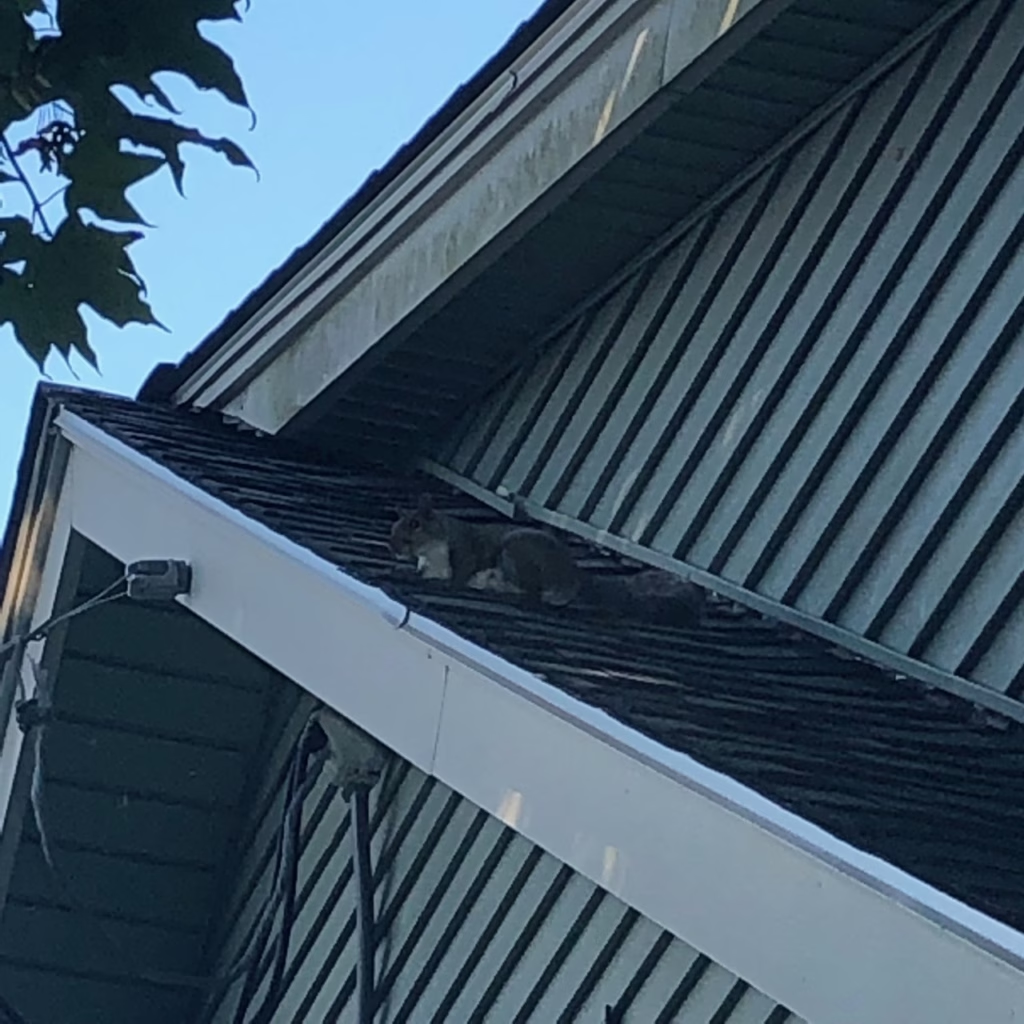
Is it Squirrels? Signs of an Active Infestation
Squirrels are noisy, destructive, and persistent. If they’ve moved into your Connecticut attic or eaves, the signs are usually pretty obvious.
Auditory Cues Gray squirrels are active during the day — you’ll hear scratching, chewing, or what sounds like a “galloping horse” running across the attic in the morning or afternoon. Flying squirrels are nocturnal — you’ll hear soft thumping, scurrying, or gliding sounds between 9 PM and 4 AM, especially in wall voids or the ceiling.
Structural Damage Look for fresh gnaw marks on roof edges, soffit returns, fascia boards, or plastic ridge vents. They can squeeze through gaps as small as 1.5 inches — that’s all it takes for them to get inside.
Interior Destruction Shredded insulation, nests made of leaves and debris, and the most dangerous sign: chewed electrical wiring. I’ve seen bare copper wire in multiple jobs — this is a leading cause of attic fires.
Sanitation Issues Small, pellet-like droppings and a strong, musty urine odor in the attic are classic signs of an active colony.
If you see squirrels entering or exiting small gaps around your Old Saybrook, Madison, Guilford, Clinton, or any shoreline home, don’t wait. One entry point can quickly turn into a full colony during the winter and spring breeding seasons.
Call or text 860-510-6313 right now for a professional inspection. I’ll come out, show you exactly what’s happening, and give you a clear plan to get them out and keep them out for good.
Flying squirrels are common in wooded towns like Guilford or East Hampton — they glide at night and often go unnoticed longer.
The Bang Test: Quick Way to Tell What’s in Your Attic
Here’s a simple trick I use all the time — I call it the “bang test.” It’s 80-90% accurate and gives me a huge head start before I even get to your house. When you hear the noise, go to the spot in the attic or wall where it’s coming from and give the area a good firm bang with your fist or a broom handle.
- They run or scatter right away? Almost always squirrels (gray or flying). They’re fast and they head straight for their exit point.
- It freezes and goes completely quiet, or starts back up a few minutes later? That’s usually mice. Mice freeze when they feel vibration.
- Banging has zero effect and you hear slow, steady movement in one direction? That’s very likely bats. Bats don’t care about the noise — they just keep going.
Try the bang test next time you hear something. It only takes a few seconds and it really helps me know exactly what I’m walking into when I arrive.
Still not sure or don’t want to climb into the attic? Call or text 860-510-6313 right now. I’ll come out, do a full professional inspection, and tell you exactly what you’re dealing with — and how to fix it for good.
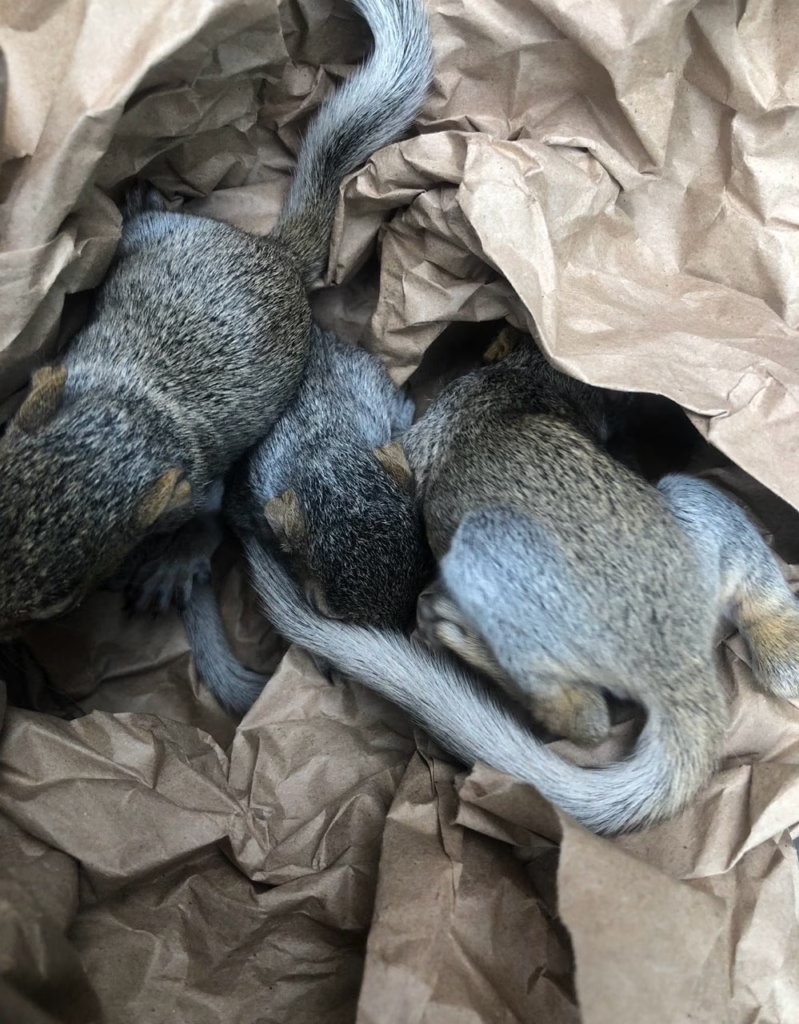
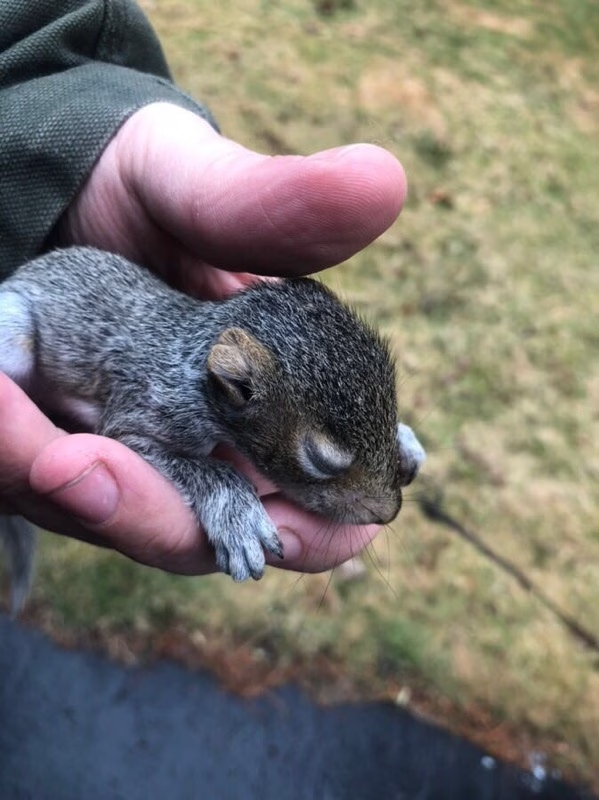
Squirrel Breeding and Birthing Seasons in Connecticut
Squirrels breed twice a year in Connecticut, and these are the times when I get the biggest spike in calls. Mothers start looking for safe, warm places to raise their young — and your attic is often exactly what they’re looking for.
Gray Squirrels (most common in Old Saybrook, Essex, Clinton, Westbrook, Madison, and Guilford)
- Breeding seasons: Late winter/early spring (December–March) and late spring/summer (May–July)
- Gestation: About 44 days
- Litters: 2–6 young born March–April and July–September
This is when mothers move into attics looking for shelter. Once the kits start moving around and playing, the noise can get really loud fast.
Red / Pine Squirrels (more common in wooded properties around Madison and Guilford)
- Breeding seasons: Early spring (February–April) and late summer (July–September)
- Gestation: 33–35 days
- Litters: Born April–May and September–October
These feisty little guys are big food hoarders. They pack away pine cones and nuts in attics, which leads to extra chewing and mess.
Flying Squirrels (common in Westbrook, Clinton, Deep River, and heavily wooded shoreline neighborhoods)
- Breeding seasons: Spring (March–May) and late summer/fall (August–October)
- Gestation: About 40 days
- Litters: 2–4 young born May–June and October–November
Because they live in colonies, one nesting female can quickly turn into 10–40 squirrels in your attic.
When Problems Peak Overall, late winter through spring (February–May) and late summer through early fall (July–September) are the busiest times. This is when mothers are nesting and the young start making noise.
If you’re hearing more scratching, thumping, or chewing right now — especially in Old Lyme, Old Saybrook, Guilford, or anywhere along the shoreline — there’s a good chance it’s tied to breeding season.
Call or text 860-510-6313 today for a professional inspection. I’ll tell you exactly what species you have and the fastest, most humane way to get them out and keep them out for good
We use Cameras to monitor activity. That is a flying squirrel about to exit a one-way door.
Flying Squirrels
- Breeding Seasons: Spring (March-May) and late summer/fall (August-October).
- Gestation & Birth: 40 days; litters (2-4 young) born May-June and October-November.
- Impact: Nocturnal colonies form in winter, but breeding spikes attic invasions in Guilford homes.
Overall, spring (Feb-May) and late summer (July-Sept) are the hotspots for breeding across species, with young appearing 1-2 months later—prime time for infestations as mothers seek sheltered nests. If you’re seeing signs now in Old Lyme, it’s likely early gray breeding—call if needed for humane removal!
Examples of damage squirrel made and the repair.
Our Humane Squirrel Removal Process
We use proven, legal methods — no poisons, no relocation for rabies vectors.
- Free Inspection — Locate nests, entry points, and damage.
- Secure Live Trapping — Place traps in high-activity areas; use remote cameras for real-time alerts — know within 30 minutes if caught.
- Eviction & Exclusion — One-way doors for safe exit, then permanent sealing.
- Repairs & Cleanup — Fix chewed wiring/insulation, sanitize.
- Prevention — Trim branches, secure vents, habitat changes.
Most jobs completed in 1–7 days with follow-up guarantee. Pricing starts at $225 — transparent and no hidden fees.
NWCOA Rodent Standards Certification 2022 – RF Wildlife CT

Why Choose RF Wildlife for Squirrel Removal in Connecticut
- Veteran-Owned & Local — 16+ years of direct service — you talk to the pro, not a call center.
- DEEP-Compliant & Humane — No illegal relocation or poisons — safe for families and wildlife.
- NWCOA Rodent Standards Certified — Trained in humane rodent control and exclusion standards.
- Trap Camera Monitoring — Real-time alerts — know within 30 minutes if caught for fast response.
- Local Expertise — We know wooded attics (North Haven, East Hampton) and shoreline eaves (Madison, Guilford).
- 24/7 Emergency — Noisy nights? We respond fast.
- Proven Results — Real Google/Yelp reviews from Connecticut clients — zero complaints.
Ready to get squirrels out of your Connecticut attic? Call or text RF Wildlife today for a free inspection. Serving a 30-mile radius from Old Saybrook including Old Saybrook, Essex, Deep River, Clinton, Westbrook, Madison, Guilford, Middletown, Cromwell, Portland, East Hampton, North Haven, Branford, and more. 860-510-6313 for a free inspection.
Don’t let squirrels take over—contact RF Wildlife for professional squirrel removal in Connecticut. schedule now.
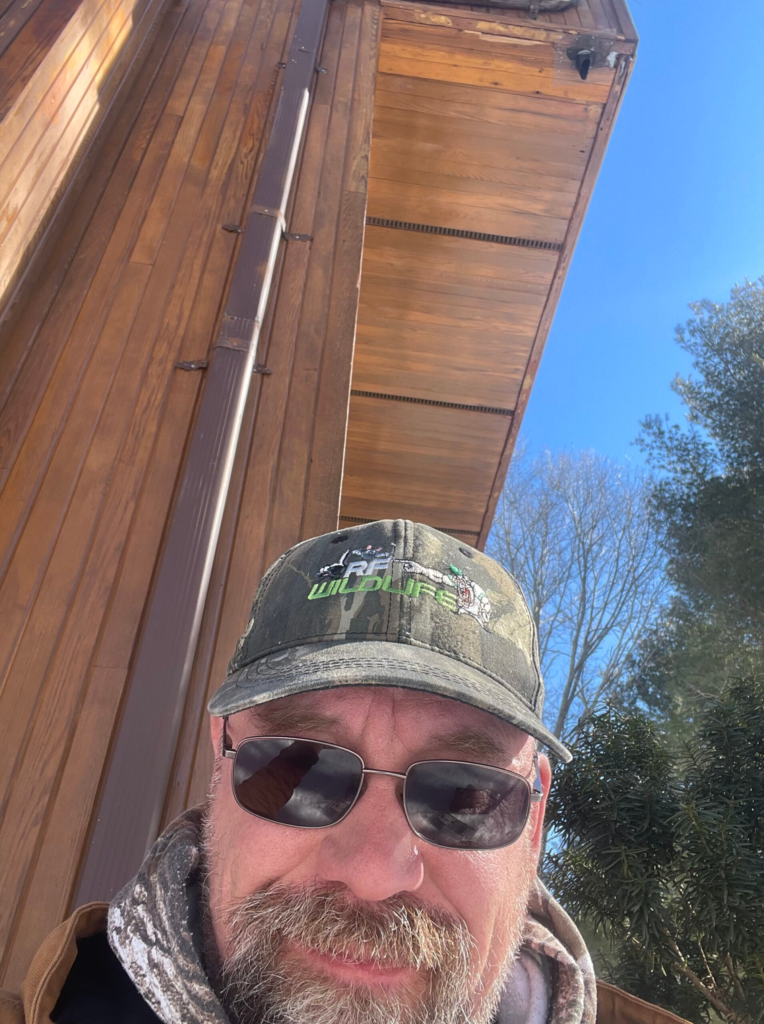
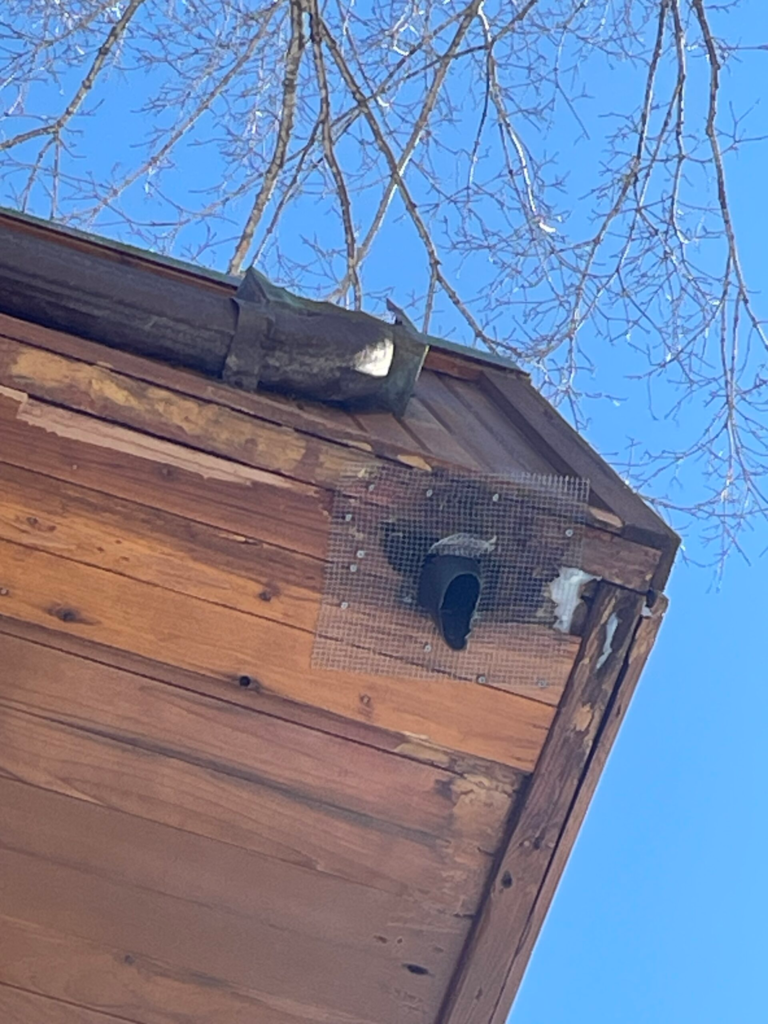
Recent Madison Case Study: Fixing a “Big Box” Failure
This morning, I got called to a home in Madison where a big national pest company had “handled” a gray squirrel problem.
They installed a cheap plastic one-way door right in the middle of winter nesting season — a classic shortcut. The mother squirrel came back, chewed straight through the plastic tube to get to get back inside.
That’s exactly why I don’t use plastic tubes or quick-fix gadgets.
At RF Wildlife I do it the right way: • Military-grade trapping to remove the squirrels safely • Full structural analysis of every entry point • Permanent exclusion using metal-reinforced seals they can’t chew through
I don’t just trap squirrels — I protect the building envelope so the problem stays solved for good.
If you’ve had a bad experience with a big company or you’re dealing with squirrels right now in Madison (or anywhere else), call or text 860-510-6313. I’ll come out, show you exactly what’s going on, and fix it the right way the first time.
Towns We Serve for Humane Squirrel Removal in Connecticut
RF Wildlife provides fast, DEEP-compliant bat exclusion across the shoreline, river valleys, and inland areas of Connecticut. Serving these towns and more within a 30-mile radius from Old Saybrook:
Middlesex County
- Old Saybrook
- Essex
- Chester
- Deep River
- Clinton
- Killingworth
- Haddam
- East Haddam
- East Hampton
- Portland
- Cromwell
- Middletown
- Middlefield
- Durham
New London County
New Haven County
Hartford County
Need Squirrel removal in one of these towns? Call/text 860-510-6313 for a prompt inspection and free quote in most areas.
Professional Wildlife Removal for CT Coastal Towns
