
Bats in your Stonington or North Stonington, CT home or attic? These protected species frequently roost in coastal eaves and attics near Mystic Seaport, Stonington Borough, the Pawcatuck River, and Long Island Sound. They slip through tiny gaps, creating guano buildup and histoplasmosis risks. In Stonington’s historic homes and North Stonington’s wooded neighborhoods, bats are active year-round, with maternity colonies forming May–August. RF Wildlife offers fully DEEP-compliant bat removal and exclusion for Stonington and North Stonington — using humane one-way exclusion only (never during maternity season and no relocation). As a veteran-owned business with 16+ years of hands-on experience, I personally handle every job with professional-grade products and equipment. Call or text 860-510-6313 right now for a free inspection and fast, safe bat removal.
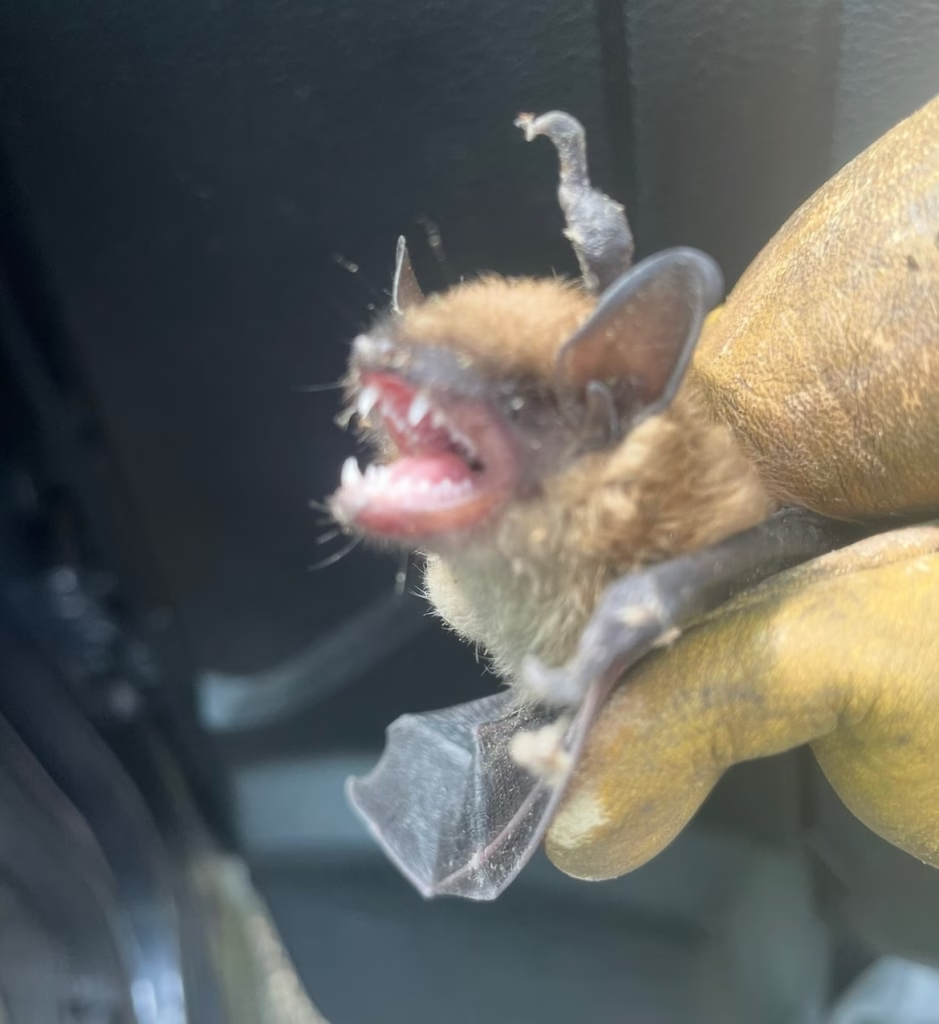
Signs of Bats in Your Stonington or North Stonington Attic or Home
Bats are quiet and nocturnal — signs often go unnoticed until a colony grows.
- Fluttering or scratching sounds at dusk/dawn
- Guano (droppings) piles under eaves, in attics, or on windows
- Grease marks or stains on walls from bat oils
- Strong ammonia odor from urine in enclosed spaces
- Single bat flying in living space (often a young one learning to fly)
In Stonington’s historic borough and North Stonington’s wooded areas, bats enter small gaps in eaves, soffits, or chimneys — especially near Mystic or the Pawcatuck River.
For a deep dive into our advanced exclusion techniques and state-wide bat conservation efforts, visit our dedicated specialist site: Connecticut Bat Removal & Exclusion.
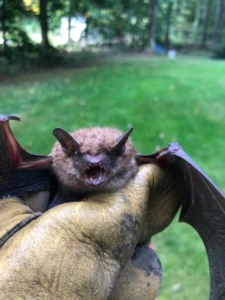
Common Bats in Stonington & North Stonington
Since White Nose Syndrome devastated little brown bat colonies across Connecticut, the big brown bat has become the species I most commonly deal with in homes. Big brown bats are roughly the size of a sparrow — stocky with a wingspan of about 13–16 inches.
Little brown bats, our former primary mosquito eaters, are much smaller — closer in size to a large butterfly with a wingspan of only 8–11 inches. White Nose Syndrome wiped out the vast majority of little brown bat populations in our area, which is why big brown bats now make up almost all of my residential bat work in Stonington and North Stonington.
Local Health Department Contacts – Stonington & North Stonington
If you have a possible bat exposure (especially if a bat was in a room with someone sleeping, a child, or an impaired adult), do not release the bat. Contact these local resources immediately for guidance on safe capture and testing:
- Ledge Light Health District (primary health contact for both towns) — (860) 448-4882
- Stonington Animal Control — (860) 599-4411
- North Stonington Animal Control — (860) 287-2197
- CT Department of Public Health (Epidemiology) — (860) 509-7994 (business hours) or (860) 509-8000 (after hours)
- State Public Health Laboratory — (860) 920-6662 (rabies testing coordination)
- DEEP Wildlife Emergency Dispatch — (860) 424-3333 (24/7)
You can print the official Request for Rabies Examination Form (OL-97A) ahead of time, but it is usually completed by the responding Animal Control Officer or health official.
Emergency: Bat in the House – What to Do Right Now
Bat in your Stonington or North Stonington CT Home Right Now?
If a bat is flying indoors or you’re worried about possible contact (especially with kids, pets, or sleeping adults), get expert guidance immediately with my Emergency Video Consult — $125 live video call from your home. I’ll walk you through safe capture, rabies testing steps, and what to do next — no wait, no guesswork.
Book Emergency Video Consult – $125 Right Now
Don’t wait — call or text 860-510-6313 immediately for fast help and peace of mind. Texting is often quickest, even late at night.
A bat flying in your living space is stressful — here’s how to handle it safely:
- Stay calm — Most bats in homes are young learning to fly and not aggressive.
- Isolate it — Close interior doors, open a window/door to outside (turn off lights inside).
- Do NOT touch with bare hands — Risk of bite/scratch (rabies concern).
DIY Guide on bat capture release or for rabies testing
- If the bat may have contacted a person (especially sleeping, child, or impaired adult) or pet.
- Capture safely (gloves, container, cardboard to slide over) — refrigerate (don’t freeze), contact local health department for testing.
When it’s OK to let it go: No possible contact — open window and let it fly out.
If unsure, call 860-510-6313 — I can guide you live or come out fast.
If a Bat May Have Contacted Someone (Rabies Testing)
If a bat has potentially contacted a person or pet, do not release it — it must be tested for rabies. Capture it safely, keep it cool (refrigerate), and contact the local health department immediately for pickup and testing.
Connecticut Rabies exposure and animal testing
The official paperwork for rabies exposure and animal testing in Connecticut is the Request for Rabies Examination (Form OL-97A). The health Department or whoever is picking up the bat will typically have this form. I tell people to print and fill out what you can ahead of time.
Direct Link to the Form (PDF)
Download CT Rabies Test Form OL-97A (PDF)
We are NWCOA Rodent Standards Certified and a Hy-Guard Certified Installer. We specialize in professional bat guano cleanup and wildlife exclusion in Stonington and North Stonington.
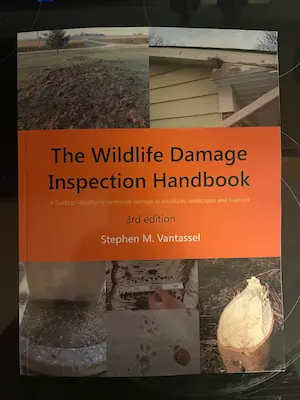
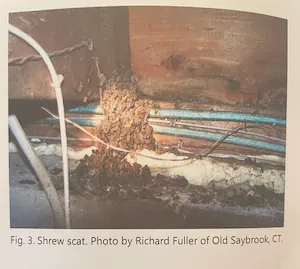
Don’t trust your home to an amateur. As a contributor to The Wildlife Damage Inspection Handbook, the national training standard for wildlife professionals, RF Wildlife uses field-tested, humane methods that most local ‘exterminators’ simply don’t know.
Accredited Contributor: Proud to be featured in the 3rd Edition of the national training manual, The Wildlife Damage Inspection Handbook by Dr. Stephen M. Vantassel.
Ready to solve your bat problem safely and correctly?
Call or text me directly at 860-510-6313 today.
I personally handle every bat exclusion in Stonington and North Stonington — fast response, full DEEP compliance, and a clean, permanent solution.
