
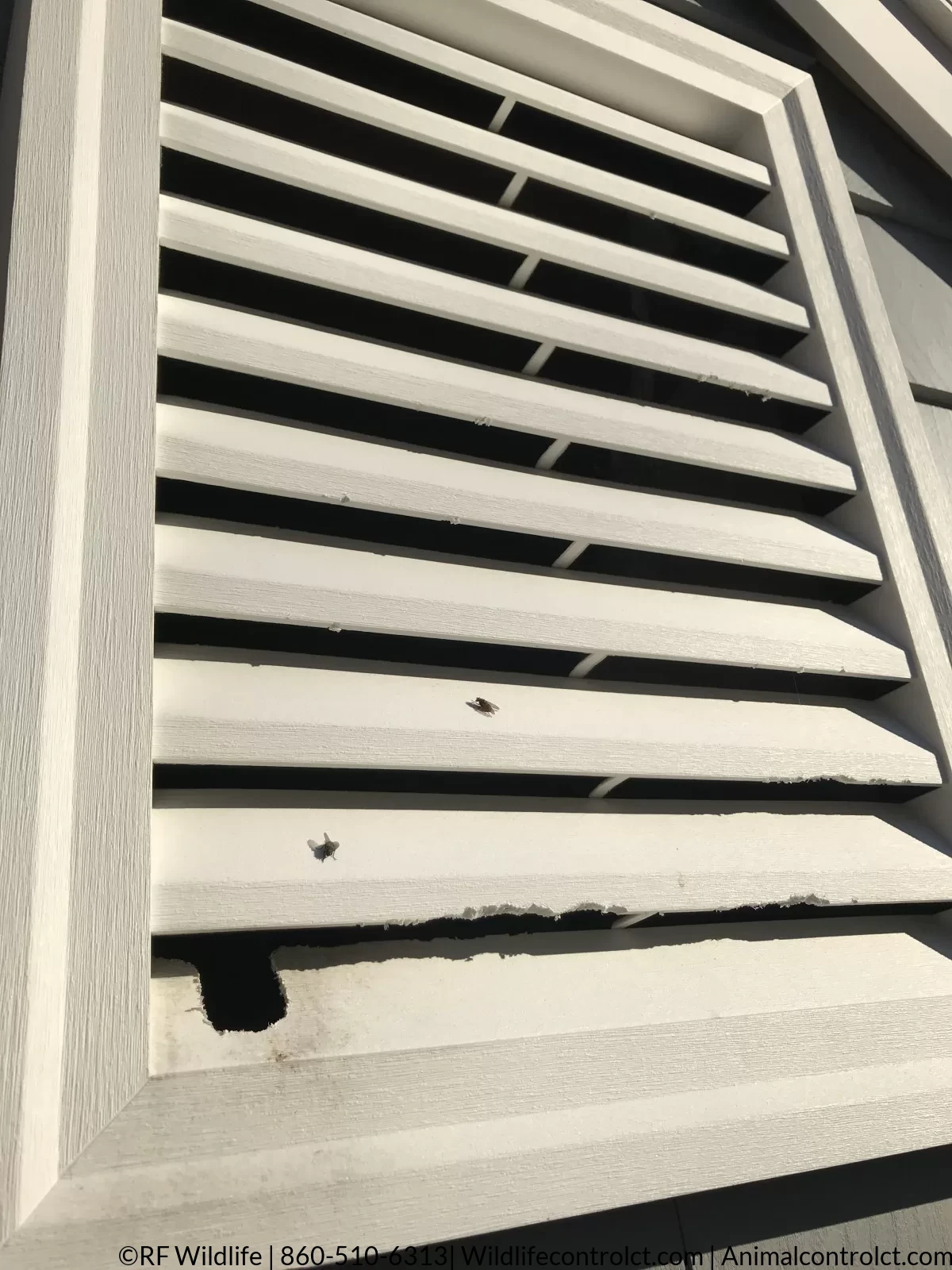
Hearing noises in your attic in Connecticut? Scratching, thumping, or scurrying at night often means wildlife has moved in — raccoons, squirrels, bats, flying squirrels, or opossums seeking shelter in attics, chimneys, or eaves. These animals cause serious damage (chewed wiring, torn insulation, guano buildup), health risks (rabies, histoplasmosis), and expensive repairs. In towns like Old Saybrook, Essex, Deep River, Clinton, Westbrook, Madison, Guilford, Middletown, Cromwell, Portland, East Hampton, North Haven, and a 30-mile radius, attics in older homes and wooded properties are prime targets. RF Wildlife provides fast, DEEP-compliant attic wildlife removal — humane trapping, exclusion, and cleanup with no relocation for rabies vectors. Veteran-owned with 17+ years of experience, I handle every job personally. Call or text 860-510-6313 today for a free inspection and get them out safely.
Common Animals in the Attic in Connecticut: Signs to Watch For
Connecticut’s mix of forests and suburbs makes attics prime real estate for wildlife seeking warmth and shelter. Here’s what to look for with the most frequent intruders:
- Raccoons: Noisy at night (thumping like footsteps), especially during December-February breeding. Signs: Torn vents, large droppings with berry seeds, musky odors. Common in Old Saybrook attics—females nest here for spring kits.
- Squirrels: Daytime scratching or scampering; chewed entry holes (2-3 inches). Gray squirrels dominate CT, causing wire damage and fire risks in Middletown homes.
- Bats: High-pitched squeaks at dusk/dawn; guano piles (like mouse droppings but shiny). CT’s little brown bats enter via tiny gaps—health hazard from guano fungi in Guilford properties.
- Opossums: Heavy shuffling, hissing; foul smells from feces/urine. Less common but destructive in crawlspaces near Westbrook.
- Other Pests: Mice/rats (rustling, small droppings) or flying squirrels (nocturnal gliders in forested Middlesex. New Haven Counties).
If you hear noises or spot entry damage in your CT attic, act early—ignoring it leads to costly repairs and potential evictions of protected species like bats.
Dangers of Animals in the Attic in Connecticut Homes
Beyond the annoyance, wildlife in attics poses real threats:
- Structural Damage: Chewed beams, wires (fire hazards), and torn insulation—raccoons alone can destroy thousands in repairs.
- Health Risks: Droppings spread diseases (salmonella from squirrels, rabies from raccoons/bats); bat guano causes respiratory issues like histoplasmosis.
- Noise & Odors: Constant disturbances disrupt sleep; buildup creates lingering smells.
- Legal Concerns: CT DEEP protects species like bats—improper removal can lead to fines. Always use licensed NWCOs for humane handling.
In shoreline towns like Madison or Clinton, mild winters mean year-round risks—don’t let a small issue become a big problem.
Humane Removal Process for Animals in the Attic in CT
At RF Wildlife, we use poison-free, ethical methods as veteran-owned experts with 16+ years in Connecticut wildlife control. Our step-by-step approach:
- Inspection: Use FLIR infrared cameras to locate animals and entries without disturbance—crucial for attics in Essex or Glastonbury.
- Eviction Strategies: Install one-way doors or repellents (e.g., eviction paste for raccoons) to allow safe exit—ideal before breeding seasons.
- Trapping: Humane baited traps for persistent cases, with compliance of DEEP rules removal (within 24 hours) of capture.
- Repair: Seal holes with durable mesh ect.
- Prevention Plan: Customized advice like chimney caps or vent screens to keep future intruders out.
We prioritize family and pet safety, ensuring compliance with CT laws.
Prevention Tips to Keep Animals Out of Your Attic in Connecticut
Stop invasions before they start with these CT-tailored strategies:
- Seal Entries: Cover vents, chimneys, and gaps with heavy wire mesh—check roofs in February for breeding prep.
- Yard Maintenance: Trim overhanging trees (raccoons climb them); remove food sources like birdseed or pet bowls in Branford yards.
- Deterrents: Install motion lights or ultrasonic devices; use natural repellents like ammonia rags near potential spots.
- Regular Checks: Inspect attics seasonally, especially in winter—mild CT thaws bring early activity.
- Professional Audits: Schedule annual wildlife-proofing, particularly in New Haven County suburbs.
These steps reduce attractants and save on future removals.
Raccoons are nocturnal animals that can climb trees and gain access to your attic through vents, chimneys, or other openings. Once inside, they can cause damage to insulation, wires, and other materials. They are also known carriers of diseases that can be transmitted to humans and pets.
Gray squirrels and flying squirrels are skilled climbers and can easily gain access to your attic through small openings or gaps. Once inside, they can cause damage by chewing through wires and insulation. Flying squirrels, in particular, can roost in large numbers and leave droppings that can pose a health risk.
Bats are small, nocturnal animals that can enter your attic through small openings or gaps. They can roost in large numbers and leave droppings that can pose a significant health risk to you and your family. In Connecticut, bats are also known carriers of rabies, a potentially fatal disease.
Mice and rats are small rodents that can easily squeeze through small openings and gain access to your attic. They can cause damage by chewing through wires and insulation and can also carry diseases that can be transmitted to humans and pets.
Birds can also gain access to your attic through openings such as vents, damaged roofs, or chimneys. Once inside, they can create nests and leave droppings that can cause health problems. In addition to causing damage to your home, bird droppings can also pose a serious health risk to you and your family.
In addition to the sounds that these animals make, other signs of an animal infestation in your attic can include droppings, damage to insulation or wiring, and the presence of nesting materials. If you notice any of these signs, it’s important to address the issue as soon as possible to prevent further damage and protect your health and safety.

Raccoons
If you have a raccoon in the attic they can be rather loud. When a raccoon is walking around in the attic you may here creaking boards. Raccoons can run in the 20lbs range. Many people say it sounds like a person is walking around in the attic. Late winter into early spring is the time when Raccoons break into attics looking for a place to have their litter.
- Raccoons can sound like a person in the attic
- March is when raccoons in Connecticut have their young
- The young may sound like a bird. You will hear them cry when the mother raccoon leaves at night or when she returns in the morning.
- Listen to where she goes at night and where she comes from in the early AM this helps us determine her entry point.
- If you hear the young make a note of what area. this helps us when we extract the young after catching the adult.
- If you venture into the attic be careful raccoons may defend their young. Look for droppings usually in the same area will look like dog droppings.

Squirrels
If you have squirrels in the attic, you will usually hear them early morning and late afternoon into evening. Gray squirrels sound like a horse galloping when they run (usually in the soffits). Watch for squirrels climbing on your house and roof. They will sometimes sun themselves in the AM.
- Gray Squirrels sound horse like when they run.
- Early Morning and late afternoon are the most active times for gray squirrels
- Listen for frantic digging in one spot. when a female squirrel is about to give birth, they will spend time frantically preparing the nesting site. Occasionally she will dig a hole through the sheet rock. A telltale that a gray squirrel dug a hole through the ceiling is she will plug the hole with insulation.
- watch for squirrel activity on your roof and climbing onto your home.
- Gray squirrel droppings are about half the size of a pea and egg shaped
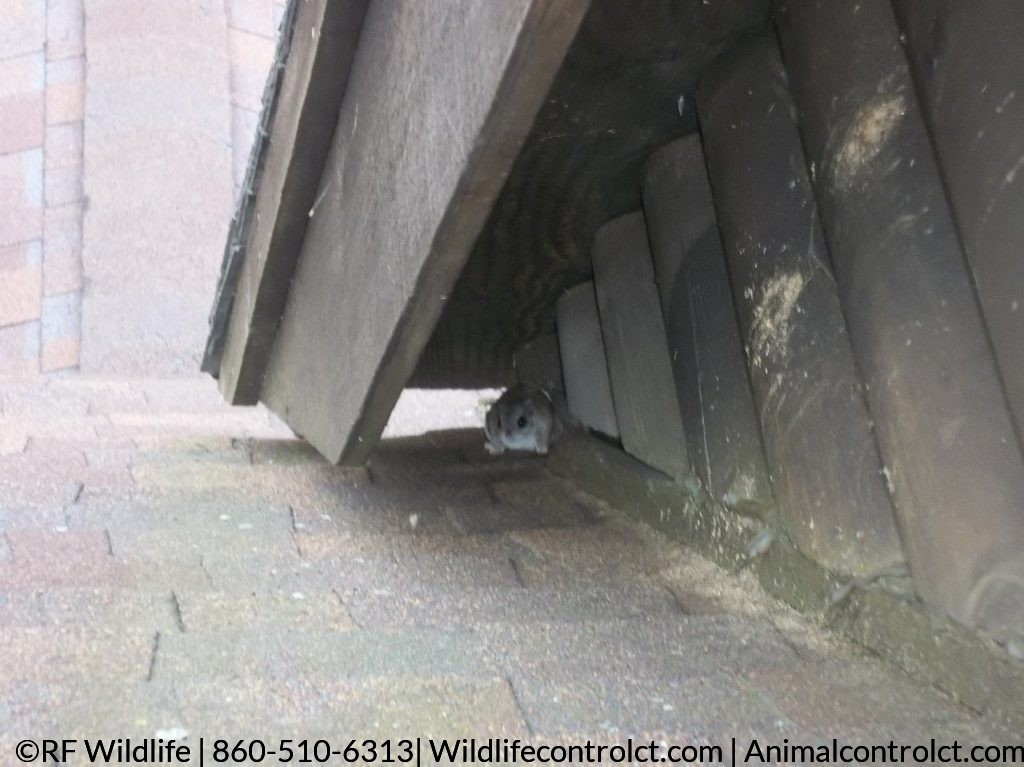
Flying Squirrels
Connecticut’s is home to Southern Flying squirrels, These are nocturnal creatures, and usually a fall and winter pest in our attics. When you have flying squirrels in the attic during winter it is typically 10-40 squirrels not one or two. You will hear them at night between 9PM to around 4AM. Flying squirrels store lots of food in their dens. you will hear them hoping from entry point to their food stash, and between their latrine and their sleeping area.
- Flying squirrels hop when they run. The skin flap is made for gliding not running.
- You may hear them glide into the side of the house or roof. Listen for a thump then hopping take note to what direction they take.
- listen out for where they are sleeping. In the morning you can do a bang test to see if what you are hearing is flying squirrels.
- When you bang on the spot in the AM if you hear running 9/10 its flying squirrels. Mice freeze, squirrels run, and bats ignore you completely when doing this bang test.
- Some nights it will sound like a party is going on others it will be silent. Take note of weather patterns they will tend to come in for cold and snowy weather.
- Flying squirrel droppings look similar to mice except the amounts are greater. The urine will look dark from the sap that flying squirrel’s drink.
- If you have attic screen’s check to see if a hole is chewed in them Flyer’s love to chew through these vents.
- Flying squirrels store lots of food in their den sites (your home)
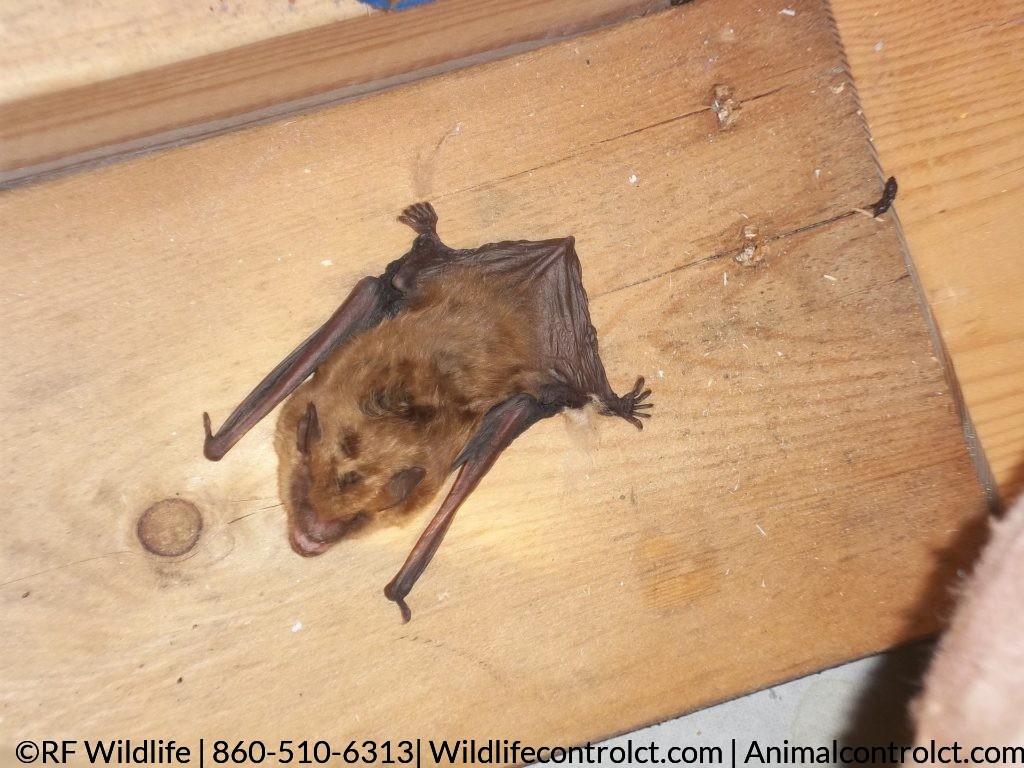
Bats
Bats will get under insulation, you may hear them crawling in winter time when they are hibernating. They will move to the perfect temperature to hibernate. If you hear movement one day and then hear it again weeks later it could be bats. If you bang on the area you are hearing them bats will typically ignore you.
- The best way to determine if bats are the problem is by the droppings. If you see droppings that look larger than a mouse take something and crush one. If it turns to dust you have bats 100%. Only bat droppings turn to dust like this, but you can take a flashlight and see the bug parts (they will be shiny).
- Bats will squeak like mice, actually if someone says they heard squeaks most the time it is a bat problem.
- During late spring through summer you may hear bats leaving in the evening as the sun goes down they may jockey for position near the exit. On hot days you can sometimes hear them fighting each other in annoyance.
- If you hear this take a walk outside bats will drop out their entry point and swoop away commonly doing a lap around the house.
Mice
Mice are very common attic animal in Connecticut attics. Most people who call me with mice say it sounds bigger defiantly not a mouse. Deer / White Footed mice are loud, they will pin an acorn on the sheetrock under the insulation and gnaw on it. This will create a speaker like effect making them sound much larger.
- Deer mice are much louder than you would believe.
- If you look into the attic you will usually see holes in baton insulation, or holes and trails in blown in insulation.
- Most people know what mouse droppings look like, it is uncommon for me not to find mouse droppings in Connecticut’s attics.
The least common animal I have ever found in an attic was a dead mole. I wish I could explain how a mole got into an attic, but some mysteries can never be solved.
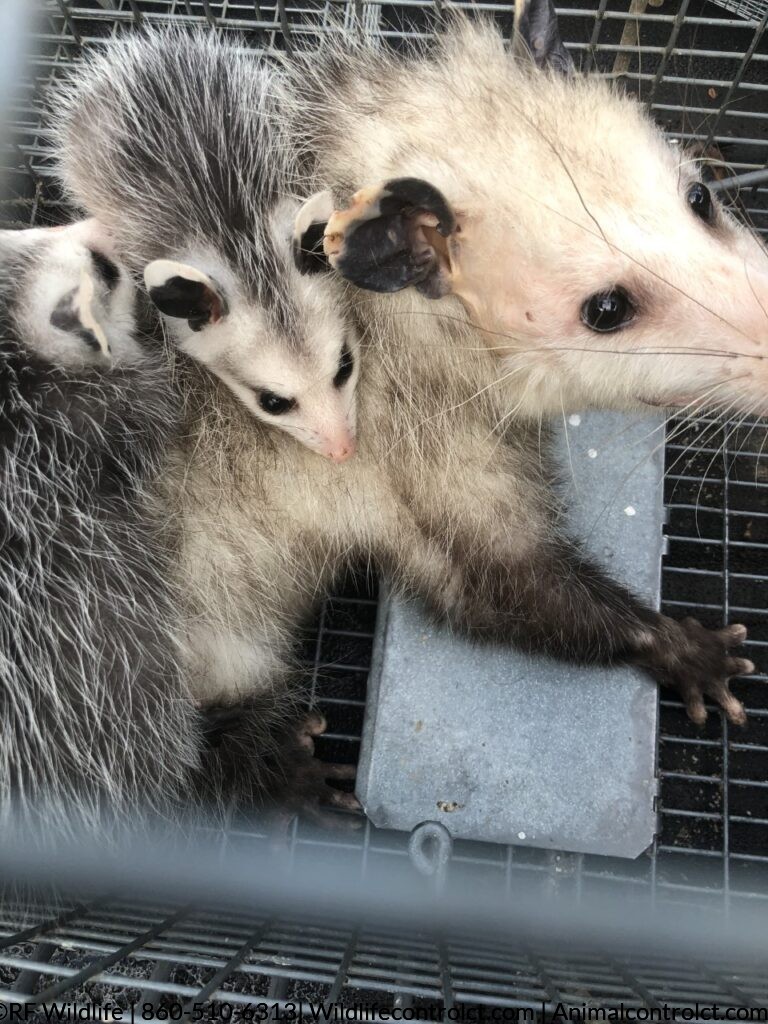
If you suspect that there is an opossum in your attic in Connecticut, it’s important to take action as soon as possible to prevent any damage to your property and to address any potential health risks.
Here are some steps you can take:
- Identify the animal: First, confirm that the animal in your attic is indeed an opossum. Opossums are nocturnal and can be identified by their long, pointed faces, grayish-white fur, and long, hairless tails.
- Remove food sources: Opossums are attracted to food, so it’s important to remove any food sources from your attic, such as pet food or birdseed.
- Seal entry points: Opossums can gain access to your attic through gaps and holes in your roof or walls. Seal any potential entry points to prevent further access.
- Use humane trapping methods: Live trapping is a humane and effective method of removing opossums from your attic. Contact a licensed wildlife control professional to safely and humanely trap and relocate the animal.
- Clean and disinfect: After the opossum has been removed, it’s important to clean and disinfect the area to remove any potential health risks, such as feces or urine.
It’s important to note that opossums can carry diseases and should only be handled by licensed professionals.
Why Choose RF Wildlife for Attic Wildlife Removal in Connecticut
- Veteran-Owned & Local — 16+ years of direct service — you talk to the pro, not a call center.
- DEEP-Compliant & Humane — No illegal relocation or poisons — safe for families and wildlife.
- Attic Expertise — We know CT homes: coastal eaves (Old Saybrook), wooded attics (North Haven), historic structures (Guilford).
- 24/7 Emergency — Noises keeping you up? We respond fast.
- Proven Results — Real Google/Yelp reviews from Connecticut clients — zero complaints.
Ready to clear your Connecticut attic? Call or text RF Wildlife at 860-510-6313 today for a free inspection. Serving a 30-mile radius from Old Saybrook including Old Saybrook, Essex, Deep River, Clinton, Westbrook, Madison, Guilford, Middletown, Cromwell, Portland, East Hampton, North Haven, Branford, and more.
For more wildlife solutions, explore our network:
- AnimalControlCT.com — full animal control
- WildlifeControlCT.com — wildlife tips & blogs
- RaccoonRemovalConnecticut.com — raccoon specialists
- MoleExterminators.com — mole trapping
