
Nationally Recognized Expertise in Bat Exclusion
- Featured in professional wildlife damage training materials
- 16+ years of hands-on bat exclusion experience
Richard Fuller of RF Wildlife is a Connecticut-based bat exclusion specialist with over 16 years of field experience. His work has been featured in nationally recognized wildlife damage management training materials used by professionals across the country.
Unlike general pest control companies, bat work requires proper identification, timing, and exclusion methods—especially during maternity season. Done incorrectly, it can lead to serious problems for both the homeowner and the animals.
Richard Fuller is the owner of RF Wildlife, a Connecticut-based wildlife specialist focused on bat exclusion and structural wildlife issues.
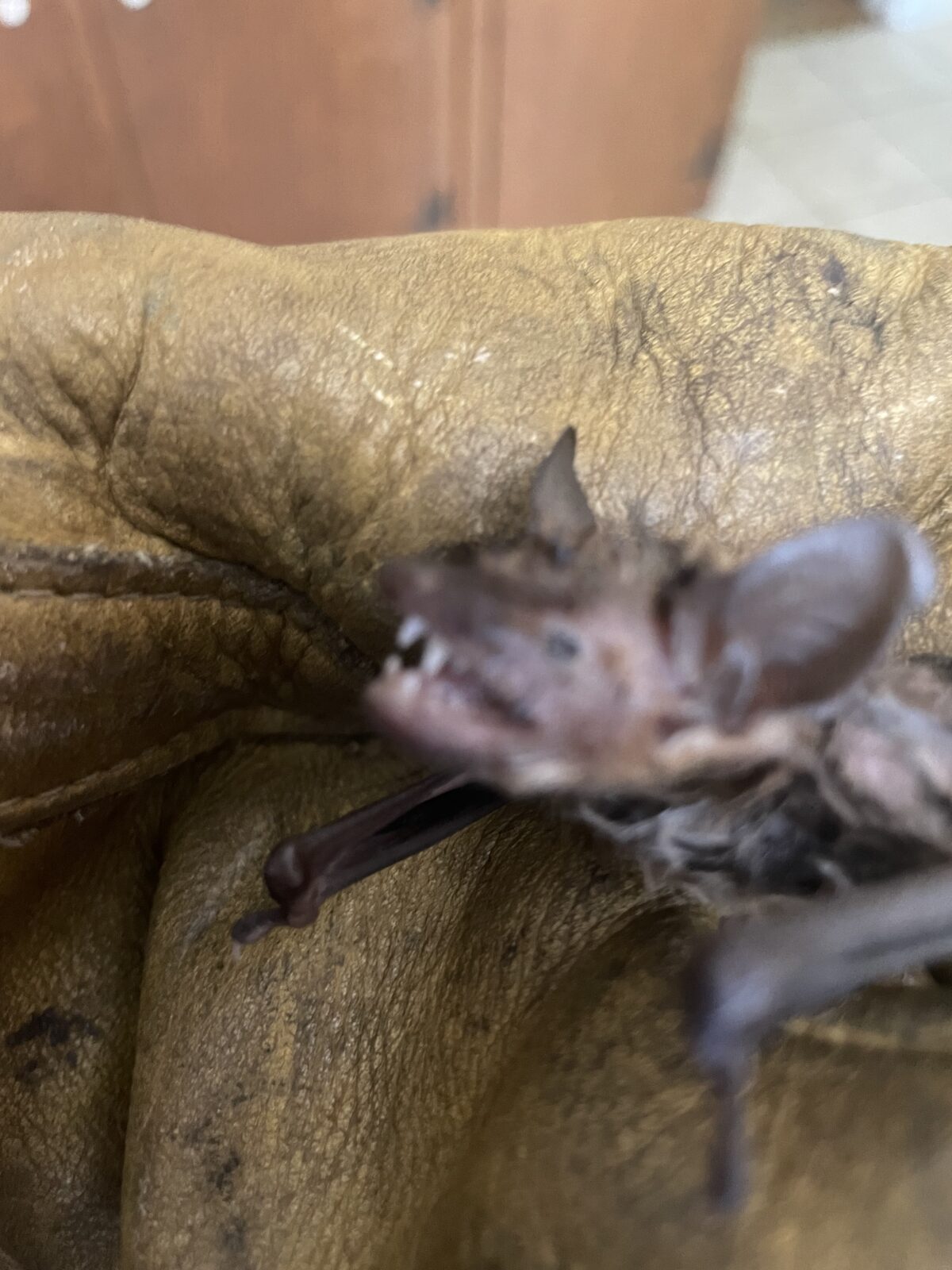
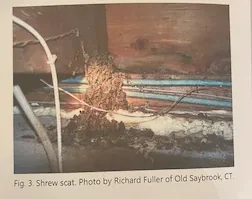
Richard Fuller has contributed to nationally recognized wildlife damage training materials used by professionals across the United States.
Real-World Wildlife Identification Experience
While contributing to national wildlife damage training materials, I could have provided countless examples of bat guano—because bats are one of the most commonly encountered species in structures.
Instead, the request was for something far more specific: confirmed scat from one of the most elusive small mammals in the United States.
That distinction matters.
In real-world wildlife work, bat activity is often identified quickly and reliably through guano—small, segmented droppings that crumble easily due to their insect-based composition. It’s one of the most consistent indicators used in the field.
In contrast, identifying less common species like shrews requires a deeper level of observation and experience.
That ability to accurately identify species based on physical evidence is what separates proper wildlife exclusion from guesswork.
If you’re dealing with bats in your attic and want the job done correctly, contact RF Wildlife bat exclusion specialist in Connecticut 860-510-6313
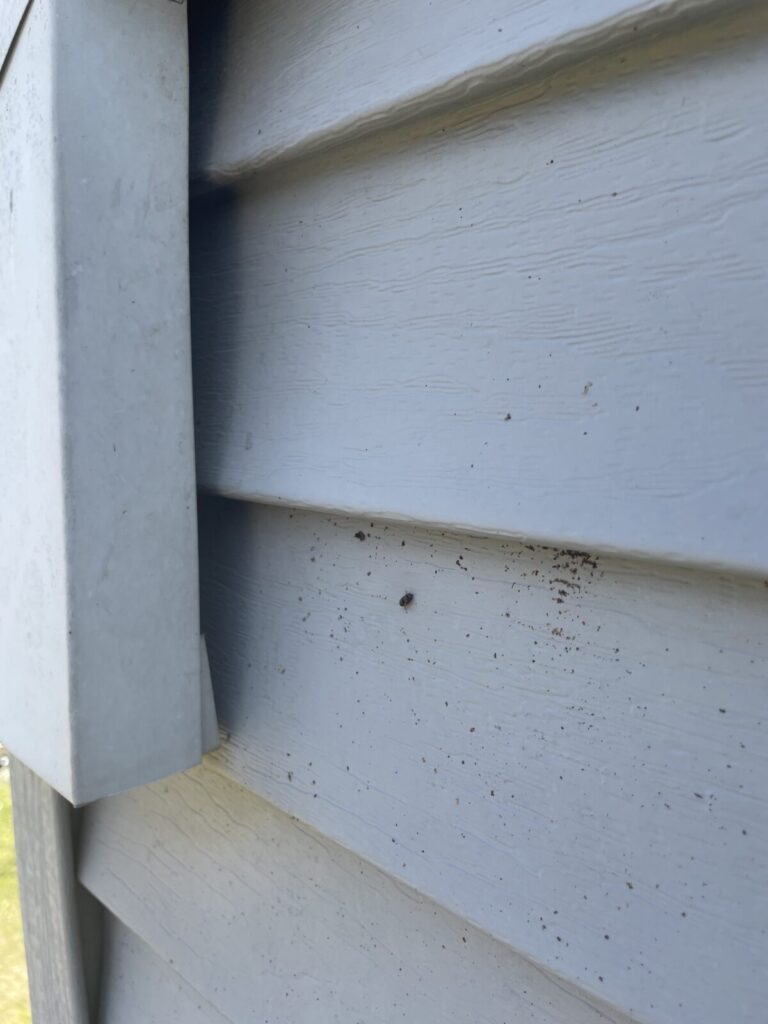
Proper Bat Exclusion in Connecticut
Bat exclusion is not the same as general pest control. It requires proper identification, timing, and sealing methods to ensure the job is done correctly.
In Connecticut, bat work is especially sensitive due to maternity season, when young bats are unable to fly. Performing exclusion at the wrong time can trap pups inside structures, leading to odor issues, additional damage, and unnecessary harm to the animals.
The most reliable way to confirm bat activity is through guano identification. Bat droppings are small, dark, and crumble easily due to their insect-based composition—one of the key indicators used in the field.
Once activity is confirmed, proper exclusion involves identifying all entry points, installing one-way exit devices, and permanently sealing the structure to prevent re-entry.
This is not guesswork. It’s a process that requires experience, attention to detail, and an understanding of bat behavior—especially in shoreline towns and older homes throughout Connecticut.
Many problems arise when bat work is handled as simple pest control rather than true exclusion. Properly done, bat exclusion resolves the issue permanently without repeated treatments or unnecessary costs.
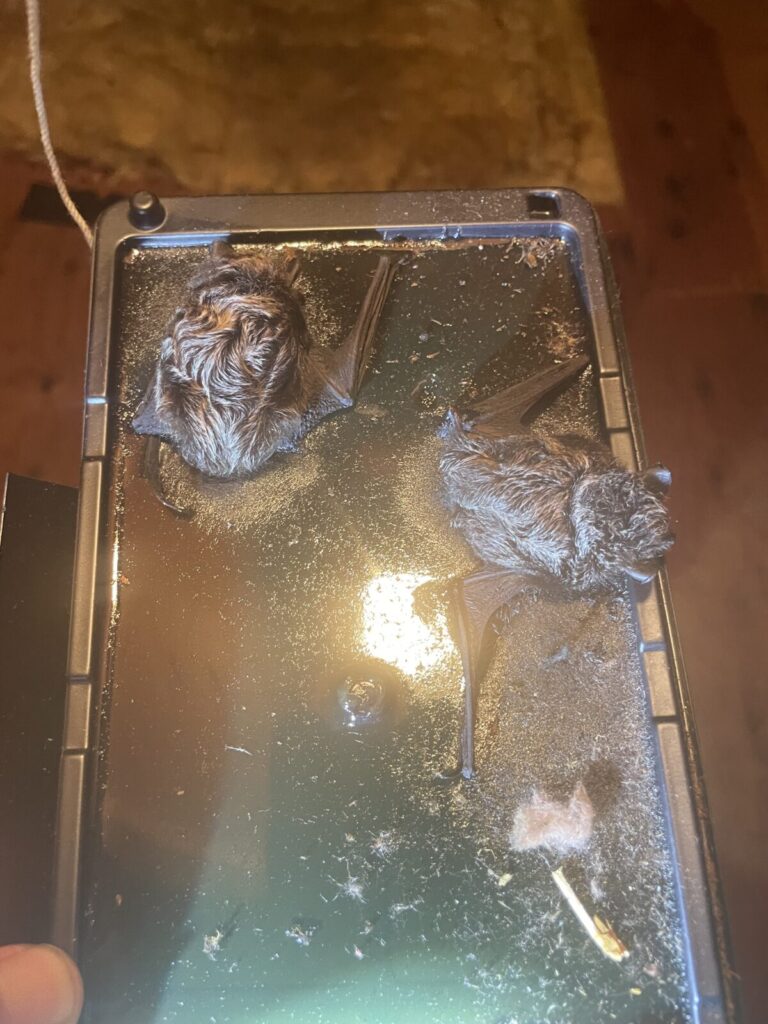
Improper Bat Removal Can Cause Serious Problems
Unfortunately, situations like this are not uncommon when bat work is handled as general pest control instead of proper exclusion.
Bats are a protected species in many situations, and removing them incorrectly—especially during maternity season—can lead to trapped animals, odor issues, and long-term structural problems.
Methods like glue boards, poisons, or trapping are not appropriate for bats and often make the situation worse.
Proper bat exclusion involves identifying all entry points, installing one-way exit devices, and sealing the structure after all bats have safely exited.
When done correctly, the problem is solved permanently without unnecessary harm or repeated service calls.
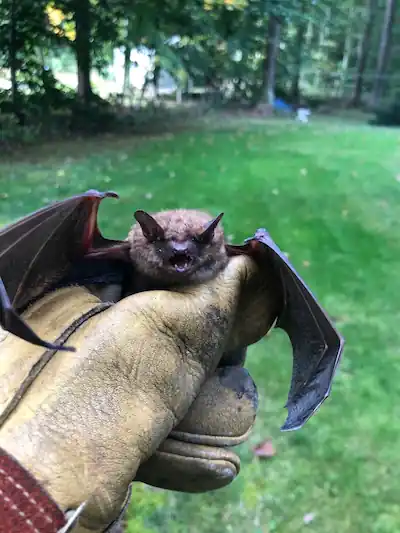
Real-World Examples of Improper Bat Work
Apartment Building – Bats Trapped During Maternity Season
In one apartment building, maintenance staff sealed vents during maternity season based on advice from a pest control company that did not specialize in bats.
The intention was to wait until the bats “flew out,” but not all bats leave at the same time. As a result, multiple bats were trapped inside the structure and began entering living spaces.
I was called in and removed 5–6 bats per day from several apartments over the course of multiple days.
Due to the uncertainty of exposure, several residents had to undergo rabies treatment as a precaution.
The situation ultimately cost far more than if proper exclusion had been performed from the start.
Improper Exclusion Setup Leading to Colony Loss
In another case, a large pest control company attempted a bat exclusion using improperly installed one-way devices. The exit cones were installed facing straight upward, preventing bats from exiting correctly.
This resulted in the death of an entire colony inside the structure.
The outcome led to severe odor issues, a full cleanout, and legal action.
I later provided documentation and proper exclusion device information to assist the property owner in addressing the situation.
These situations are avoidable. Proper bat exclusion requires correct timing, correct installation methods, and an understanding of bat behavior. When done correctly, these outcomes do not occur.
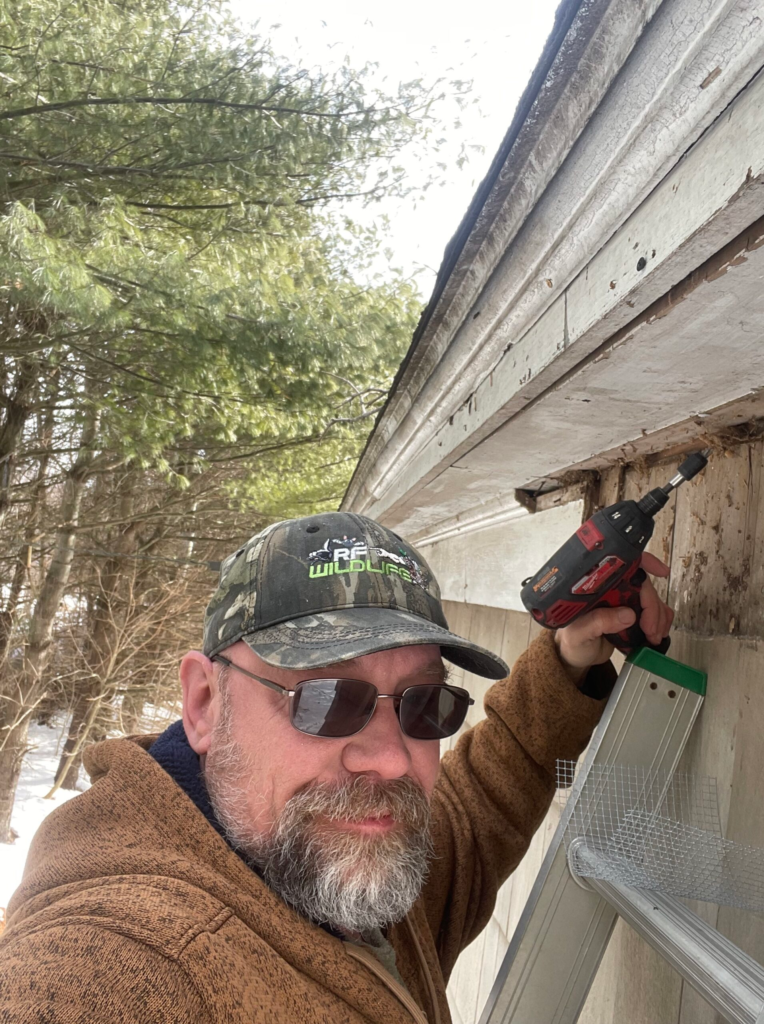
Serving Connecticut Communities
RF Wildlife provides bat exclusion and wildlife services throughout Connecticut, including shoreline towns such as Old Saybrook, Westbrook, Madison, Guilford, and surrounding areas.
Why Homeowners Choose RF Wildlife
- Nationally recognized expertise
Featured in professional wildlife damage training materials used by industry professionals - 16+ years of hands-on experience
Real-world bat exclusion work throughout Connecticut since 2009 - Proper bat exclusion—not pest control shortcuts
No trapping, poisons, or guesswork—just correct identification and one-way exclusion methods - No middleman
You deal directly with Richard Fuller on every job - Humane and effective approach
Designed to solve the problem permanently without unnecessary harm or repeat issues - Local Connecticut knowledge
Experience with shoreline homes, seasonal patterns, and common entry points in this area
Bat problems can become serious quickly if handled incorrectly. Choosing an experienced specialist ensures the job is done safely, correctly, and permanently.
If you’re dealing with bats in your attic or structure, contact RF Wildlife Control for proper exclusion work you can rely on. 860-510-6313
