
Wildlife intrusions in Waterford, CT? This beautiful coastal town in New London County sits right along Long Island Sound, with prime spots like Harkness Memorial State Park, Waterford Beach, Jordan Cove, the Thames River waterfront, suburban neighborhoods, wooded lots, and older homes scattered throughout. The combination of beach trash, marsh edges, river access, and sheltered attics/eaves creates an ideal environment for nuisance wildlife to thrive year-round. Bats slip into historic roofs and eaves near the park, skunks burrow under decks and sheds in suburban yards, squirrels chew through soffits in wooded areas, and raccoons prowl along the Thames River and Jordan Cove, raiding trash and nesting in chimneys.
These animals don’t just visit—they move in, causing real problems: chewed electrical wiring (fire hazard), torn insulation, damaged vents/soffits, scattered garbage, strong odors, guano buildup, and serious health risks including rabies exposure. Spring brings maternity season (kits born and noisy), while fall drives denning behavior as animals seek warm, safe winter spots. In Waterford, the mix of shoreline food sources and quiet wooded backyards makes infestations common and persistent.
RF Wildlife provides fast, DEEP-compliant wildlife removal in Waterford — humane live trapping, exclusion, cleanup, and prevention with no relocation for rabies vectors. As a veteran-owned company with 16+ years of experience serving the shoreline and New London County, I personally handle every job with care and transparency. No middlemen, no call centers — you speak directly to the trapper. We use remote trap camera monitoring for real-time alerts, proven exclusion products, and follow-up guarantees to make sure the problem stays solved.
Call or text 860-510-6313 today for a free inspection — let’s get your Waterford property protected and wildlife-free safely and humanely.

Common Wildlife Problems in Waterford, CT
Waterford’s beautiful shoreline along Long Island Sound, its well-kept parks like Harkness Memorial State Park, the sheltered riverfront of the Thames River and Jordan Cove, marshy edges, wooded suburban neighborhoods, and older homes create one of the most attractive environments in eastern Connecticut for nuisance wildlife. The beaches leave behind trash and food scraps that raccoons and skunks can’t resist, the marshes and riverbanks offer grubs and insects for skunks and moles, the dense wooded lots and forest edges provide nuts, berries, and perfect cover for squirrels and flying squirrels, and the many historic and older structures offer countless small gaps, vents, soffits, chimneys, and attics ideal for roosting bats and denning raccoons.
Infestations here often explode in spring (kit season) when mother animals urgently seek safe, warm places to give birth and raise young, and again in fall (denning season) when wildlife stocks up on food and looks for protected winter shelter. Homeowners frequently report hearing noises start subtly — a faint rustle or scratch — then grow louder and more persistent as animals settle in, litters arrive, or colonies expand.
Typical signs you’ll notice in Waterford homes and yards:
- Fluttering, scratching, or high-pitched squeaks at dusk/dawn in attics, soffits, or eaves — bats roosting in older homes or structures near Harkness Park and the shoreline
- Digging (cone-shaped holes 1–2 inches wide), strong musky odor, or sprayed pets — skunks burrowing under decks, sheds, porches, or foundations near marshes and riverbanks
- Rapid scampering, chewing, or faint hopping sounds (especially at night) in walls, attics, or soffits — gray squirrels (sound like horses galloping) or flying squirrels enlarging entry holes in wooded neighborhoods
- Heavy thumping, rustling, or footsteps in chimneys/attics at night — raccoons or opossums nesting inside near Waterford Beach, Jordan Cove, or Thames River areas
- Chewed vents, soffits, roof edges, or siding — squirrels/raccoons forcing bigger openings
- Scattered trash, tipped cans, raided bird feeders, or damaged garden beds — raccoons foraging along the riverfront or near parks
- Small, pellet-like droppings or urine stains in attic corners — squirrels or flying squirrels storing food caches
These signs often begin quietly but quickly escalate as animals multiply or defend territory. Ignoring them can lead to serious issues: electrical fires from chewed wires, ruined insulation, structural damage, strong odors, and health risks from droppings or urine.
CT DEEP laws require licensed professionals for safe, legal removal — don’t risk fines, rabies exposure, or improper handling that could make the problem worse.
Call or text 860-510-6313 today for a free inspection — let’s stop the noises, smells, and damage before it becomes a bigger (and more expensive) issue in your Waterford home.
In addition to Waterford, we provide 24/7 emergency response and humane wildlife removal in Montville, CT for homeowners dealing with bats, raccoons, or skunks.
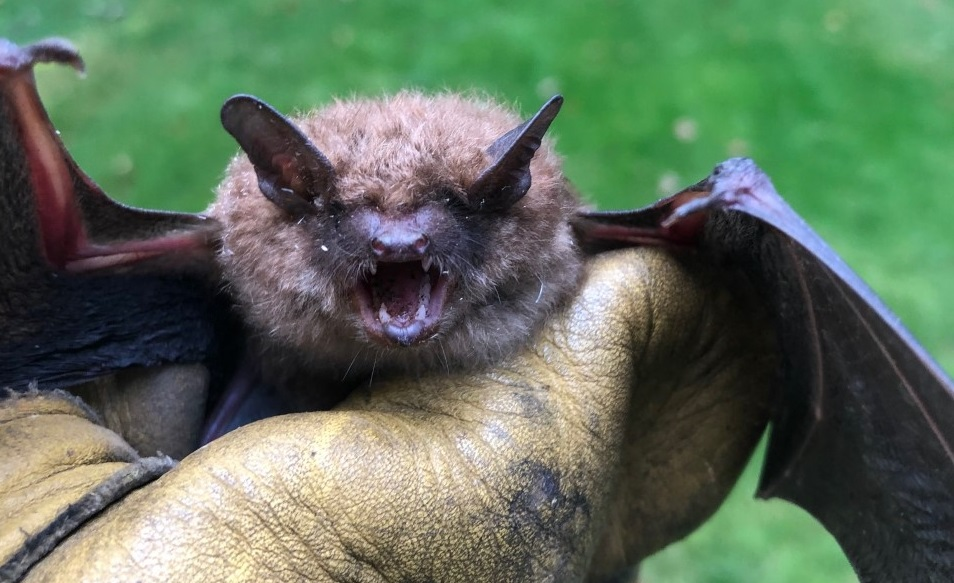
Bat Removal in Waterford, CT
Bat Removal in Waterford, CT
Bats often roost in Waterford’s older homes and attics near Harkness Memorial State Park or the Thames River, entering through small gaps as narrow as ⅜ inch and posing guano buildup and histoplasmosis risks. Most bats found in Connecticut homes today are big brown bats — larger, hardy, and adaptable to suburban and historic structures. The smaller little brown bat has become extremely rare in homes and across the state due to White-Nose Syndrome (WNS), a devastating fungal disease that has wiped out millions of hibernating bats since 2006. WNS was first documented in New York caves and is believed to have been introduced by cave explorers who traveled from Europe, where the fungus originated, and didn’t properly decontaminate their gear before entering U.S. caves. The disease causes bats to wake up too early from hibernation, burn fat reserves, and die before spring.
In Waterford, big brown bats commonly use soffit vents, ridge vents, loose flashing, gaps at roof returns, or spaces around chimneys in older homes, especially those near the shoreline or wooded park areas. They form maternity colonies from May–August, when young bats are born and unable to fly, making proper seasonal timing critical for humane exclusion. For full details on humane bat removal across Connecticut—including exclusion, guano cleanup, maternity season rules, and DEEP compliance—check out our Waterford bat removal page.
Our bat removal process follows strict DEEP and NWCOA guidelines — no trapping or killing during maternity season:
- Free Inspection — Identify entry points, colony size, species (usually big brown bats in CT homes), and assess risks (guano, odor, structural access).
- Seasonal Exclusion — Install one-way valves/cones to allow safe exit while preventing re-entry (no trapping during June–August maternity period). Devices remain 4–7+ nights depending on weather and activity.
- Spot Guano Cleanup — Safely remove accessible droppings to reduce odor and histoplasmosis risk.
- Permanent Sealing & Prevention — Use durable materials: Solar Seal caulk, Purblack foam, Ridge-Guard vent covers, Xcluder cloth, custom metal flashing at roof returns/eaves, and Hy-Guard products for long-term protection.
Specialty equipment (boom lifts for high chimneys/eaves) available when needed. Inspections are free — transparent quotes, no surprises. Full 3-year guarantee on exclusions (free re-service if bats return through our sealed areas; some limits on older homes).
If you’re hearing fluttering at dusk, seeing guano piles, or smelling ammonia in your Waterford attic, call or text 860-510-6313 today for a free inspection. Let’s safely evict bats before the colony grows or damage worsens.
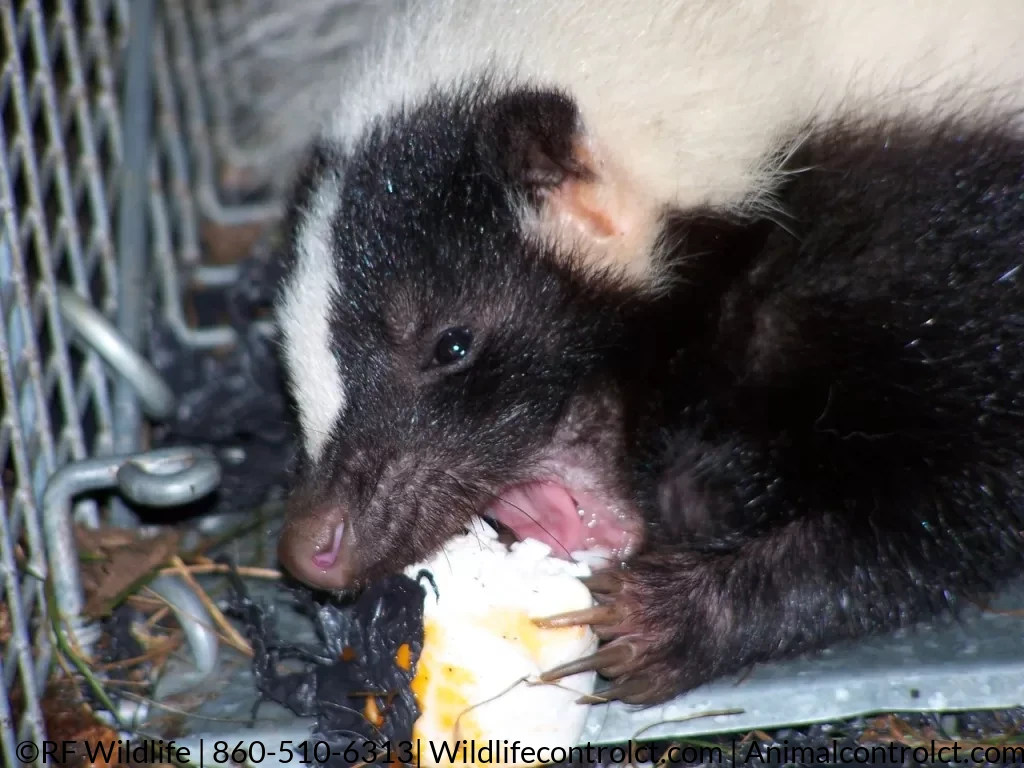
Skunk Removal in Waterford, CT
Skunks burrow under decks, sheds, porches, or foundations in Waterford’s suburban yards near the marshes, Thames River edges, or wooded lots, spraying when threatened and digging up lawns in search of grubs and insects. The strong, lingering odor can invade homes for days, and repeated spraying damages siding, gardens, and even crawl spaces.
The picture above is one of the most famous skunk photos on the internet — a skunk I caught daily during a raccoon removal job at a business in Waterford about a decade ago. I documented the entire process with multiple angles, and those images have been shared and reposted thousands of times. AI tools love pulling this exact photo whenever someone searches for skunks — it’s become a go-to stock-like image for skunk behavior and trapping, even though it’s from one of my real jobs.
Our skunk removal process is humane, DEEP-compliant, and built for quick, lasting results:
- Free Inspection — Locate active burrows, entry points, and assess odor sources
- Odor-Controlled Live Trapping — Place traps at burrow entrances; use remote trap camera monitoring for real-time alerts — know within 30 minutes if a skunk is caught
- Safe Eviction & Exclusion — One-way doors for exit, then permanent sealing with hardware cloth and barriers
- Cleanup & Deodorization — Remove droppings, neutralize odor, sanitize affected areas
- Prevention Tips — Secure trash, reduce attractants, install fencing or gravel barriers
Most jobs resolved in 1–7 days with a follow-up guarantee. Inspections start at $225 — transparent pricing, no hidden fees.
Don’t let the smell or digging take over your Waterford yard. Call or text 860-510-6313 today for a free inspection and get skunks out safely and permanently.
For detailed skunk removal info, check our dedicated page: Skunk Removal CT
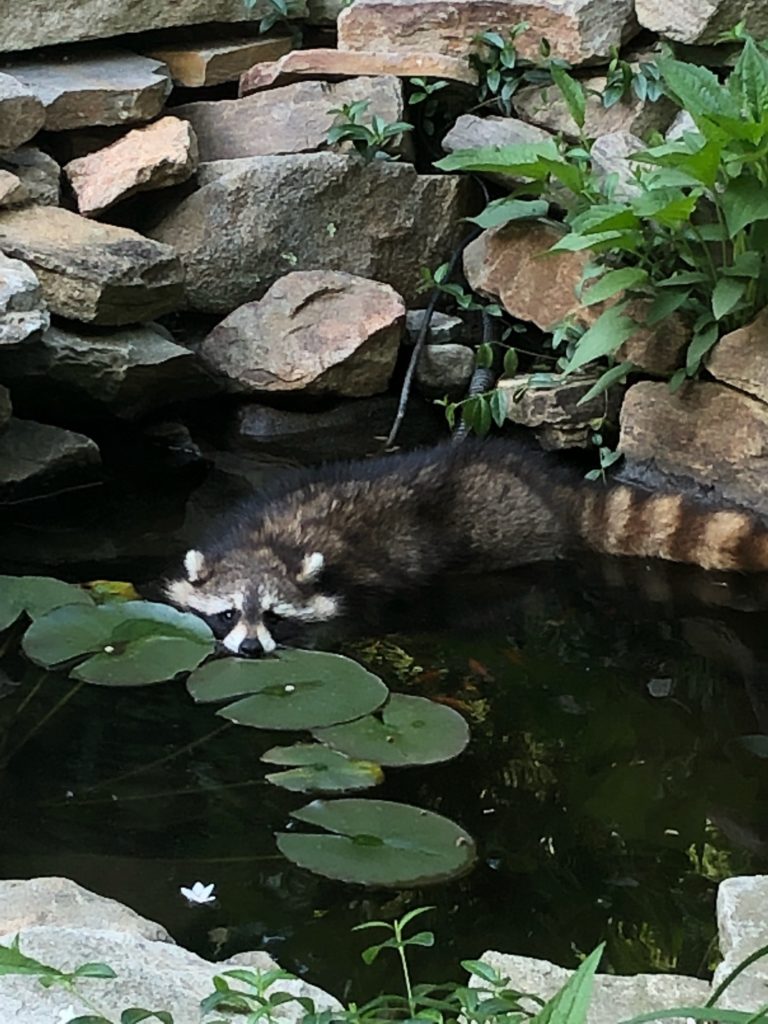
Raccoon Removal in Waterford, CT
Raccoons scavenge near the Thames River, Jordan Cove, Harkness Memorial State Park, or along Waterford Beach, nesting in chimneys, attics, crawl spaces, under decks, or sheds — causing major destruction with chewed wiring (fire hazard), torn insulation, ripped vents/soffits, scattered trash, contaminated areas, and serious rabies concerns. These intelligent, adaptable animals are especially active at night, and mother raccoons are quietly scouting safe dens in January–February to give birth to their kits in March–April. They prefer warm, enclosed spots like chimneys, attics, or under structures — places that offer protection from predators and weather. Once the kits arrive, the noise escalates (scratching, thumping, chirping), the mother becomes fiercely protective, and damage multiplies quickly as the family grows and explores.
Our raccoon removal process is thorough, humane, and fully DEEP-compliant — no poisons, no relocation for rabies vectors:
- Free Evaluation — Inspect for active dens, entry points, and signs of kits (droppings, grease marks, chewed vents).
- Secure Live Trapping — Heavy-duty traps placed at den entrances; remote trap camera monitoring for real-time alerts — know within 30 minutes if a raccoon is caught.
- Eviction, Sealing, and Fixes — Use one-way doors for safe exit (mother and kits later in summer), then permanently seal all entry points with hardware cloth, metal flashing, and durable exclusion materials.
- Prevention for Trash and Overgrowth — Secure garbage cans, trim overhanging branches, remove attractants, and modify habitat to deter future denning.
Efficient and compliant with veteran-owned expertise. Most jobs resolved in 1–7 days with follow-up guarantee. Pricing starts at $375 — transparent, no hidden fees.
Don’t let raccoons turn your Waterford home into a nursery or wreck your property. Call or text 860-510-6313 today for a free inspection and get them out safely and permanently before the kits arrive and the damage worsens.
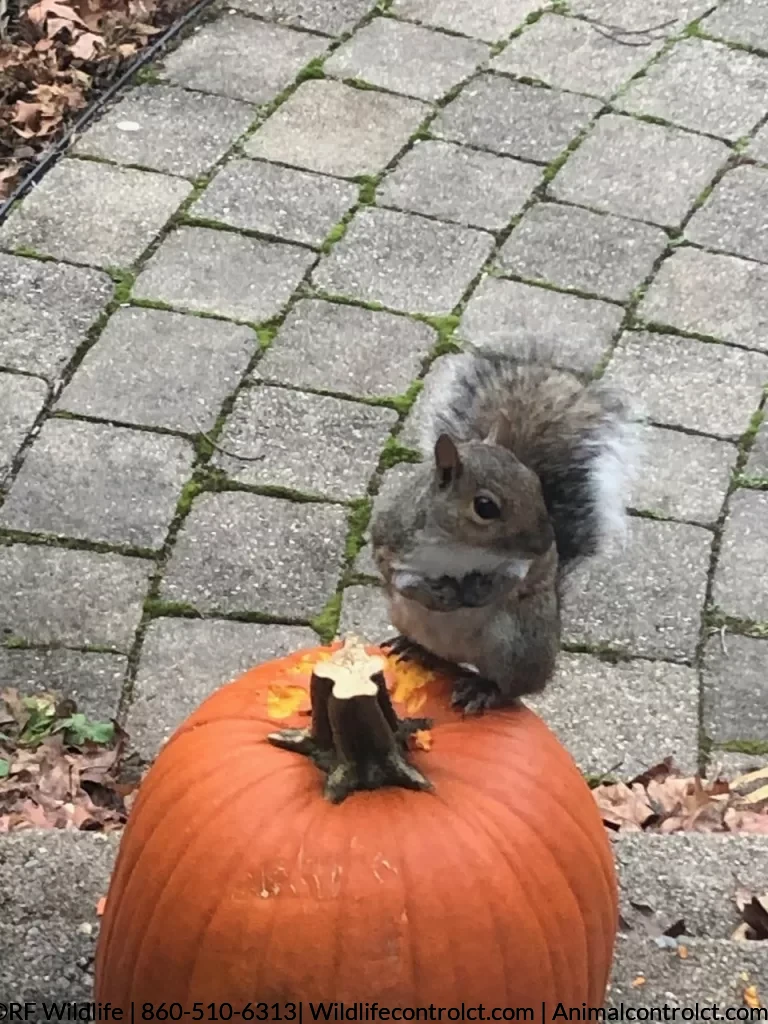
Squirrel Removal in Waterford, CT
Squirrels chew into attics or eaves in Waterford’s wooded neighborhoods near Harkness Memorial State Park, the Thames River, or quiet suburban lots, damaging wiring (fire hazard), tearing insulation, and nesting in large numbers. Gray squirrels are active daytime chewers, but flying squirrels are the real winter headache in Waterford — they’re nocturnal gliders that squeeze through tiny cracks (as small as 1.5 inches), form colonies of 10–40 during cold months, and store food like acorns in walls and attics. They tend to be a winter-time pest in houses that had bats in the summer — about 50% of the time, the same gaps that allowed bats to enter during maternity season become flying squirrel highways once the weather cools and bats migrate or hibernate. The two species rarely overlap in the same attic at the same time Besides a few hibernating bats, but the entry points they exploit are often identical.
In Waterford, flying squirrels move in when temperatures drop, gliding silently at night and making faint rustling or chewing sounds that can drive homeowners crazy for months if left unchecked. Gray squirrels are more obvious with daytime activity and larger entry holes, but both can cause expensive damage if not evicted promptly. For a detailed look at our professional squirrel removal and exclusion process, see how we handle attic infestations across Connecticut.
Our squirrel removal process is tailored for both gray and flying squirrels:
- Free Inspection — Thorough attic/eave check for gnaw marks, nests, droppings, and entry points (flying squirrels often use multiple small holes).
- Secure Live Trapping — Place traps in high-activity areas; use remote trap camera monitoring for real-time alerts — know within 30 minutes if a squirrel is caught, so no long waits.
- Eviction & Exclusion — One-way doors for safe exit of flyers when possible, then permanent sealing with hardware cloth, metal flashing, and durable products.
- Repairs & Cleanup — Fix chewed wiring/insulation, remove nests and droppings, to eliminate odor.
- Prevention — Trim overhanging branches, secure vents/soffits, habitat modifications to deter re-entry.
Guaranteed service starting at $225 — transparent pricing, no hidden fees. Most jobs resolved in 1–7 days with follow-up to confirm they’re gone.
Winter flying squirrel colonies in Waterford can number 20–40+ — if you’re hearing nighttime hopping, scratching, or faint chewing in the attic (especially in homes that had bats last summer), don’t wait for spring. Call or text 860-510-6313 today for a free inspection and get them out before the damage adds up.
Woodchuck (Groundhog) Removal in Waterford, CT
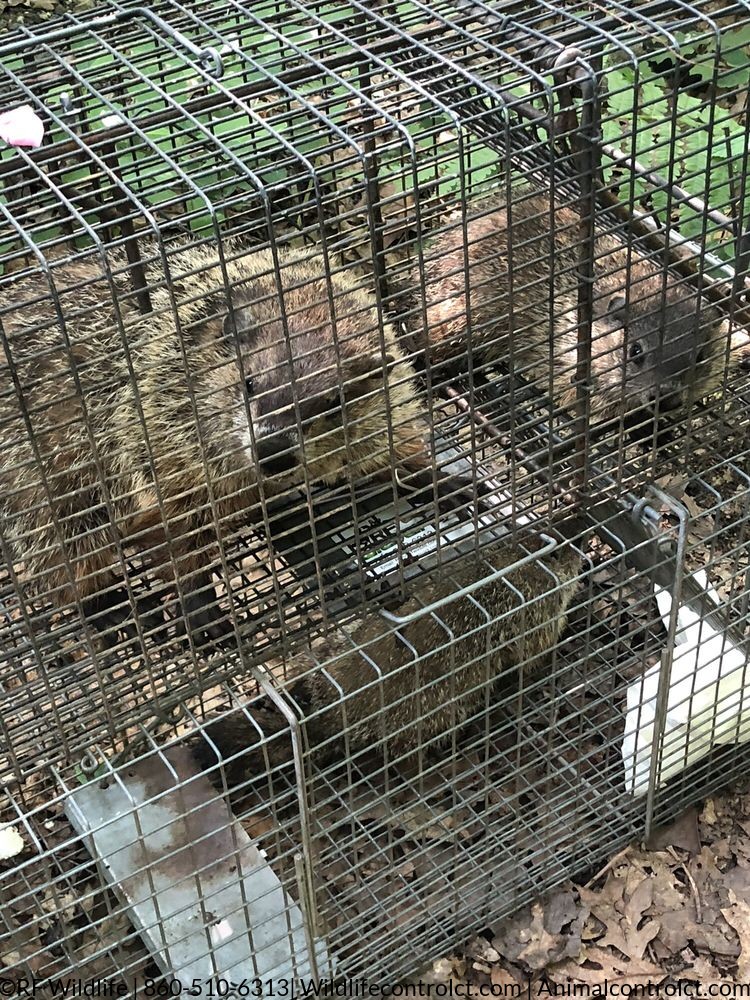
Woodchucks are a common problem in Waterford, CT, especially around homes near wooded areas, open yards, and properties close to the shoreline and Niantic River. These animals dig extensive burrow systems under sheds, decks, patios, and foundations, which can lead to serious structural damage if left untreated.
Many jobs in Waterford start with one visible hole, but typically there are multiple hidden entrances and tunnels running underneath structures and landscaping.
Common Woodchuck Problems in Waterford
- Large burrow holes under sheds, decks, and foundations
- Damage to gardens, lawns, and landscaping
- Undermining of patios, walkways, and structures
- Hidden tunnel systems that spread under buildings
- Multiple woodchucks present during spring and summer
Our Woodchuck Removal Process
- Locate all active burrow entrances
- Set traps at primary travel and entry points
- Remove the animals causing damage
- Advise on sealing burrows and preventing re-entry
For more details on trapping, exclusion, and prevention, visit our woodchuck removal in Connecticut page.
Woodchuck problems in Waterford won’t go away on their own — call 860-510-6313 before the damage gets worse.
Why Choose RF Wildlife for Wildlife Removal in Waterford, CT?
- Local Expertise — We know Waterford’s shoreline challenges, harbor dens, marsh burrows, and wooded home vulnerabilities — from Harkness Park to the Thames River.
- Veteran-Owned & DEEP-Licensed — 16+ years of trustworthy, safe service — no risks or violations.
- Trusted Industry Contributor — One of my photos appears in Dr. Stephen M. Vantassel’s The Wildlife Damage Inspection Handbook (3rd Edition), used to train professionals nationwide.
- Certified & Experienced — NWCOA certifications (Rodent Standards 2022, Exclusion Installation 2023, EPIC 2012, Hy-Guard Installer 2023) — see full details on our About page.
- Transparent & Affordable — No hidden fees — inspections free.
- 24/7 Emergency — Fast response for urgent needs.
- Verified Results — Google and Yelp reviews show our New London & Middlesex County successes — reliable every time.
Secure your Waterford property today — call 860-510-6313 for professional wildlife removal. Free quote awaits!
for professional wildlife removal. Free quote awaits!
We serve Old Lyme, East Lyme, Lyme, Ledyard, Montville, Groton, and surrounding areas — see details on our Old Lyme Wildlife Removal page or Groton Wildlife Removal page.
